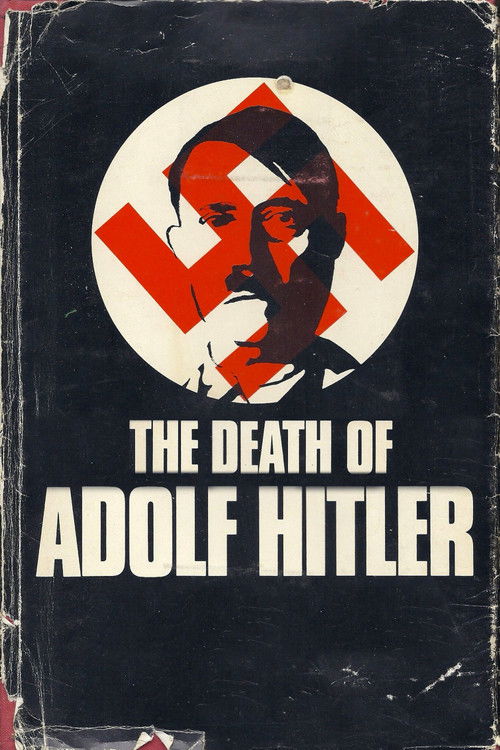
The Death of Adolf Hitler
1973
No user ratings available yet
Diversity score: 1.6 out of 10

1986
TV-PGDirector
Delbert Mann
Runtime
146 minutes
Average Rating
No ratings yetSynopsis
Gen. George S. Patton now works a desk job for the U.S. military after World War II. In the midst of dealing with the difficulty of adapting to his dramatic change of lifestyle, Patton is involved in an auto wreck that leaves him in critical condition. While his body fails him, Patton introspectively reminisces about his relationship with his spouse, Beatrice; his childhood; and his days on the WWI battlefields.
Overall Score
Minimal
Category Breakdown
LGBTQ+ Representation
The film operates within a strictly heteronormative framework. It focuses on the historical marriage between Patton and Beatrice, offering no queer themes or non-cisnormative identities.
Gender Representation
Narrative focus remains on male-dominated military hierarchies. Women are relegated to secondary domestic roles, such as wives and secretaries, reinforcing 1940s patriarchal structures.
Racial & Ethnic Diversity
The cast is predominantly white and homogeneous, reflecting the historical demographics of the 1945 U.S. Army officer corps. It lacks diverse racial perspectives or color-blind casting.
Religious & Cultural Diversity
The story centers on a Western military icon and his individualistic spiritualism. It upholds traditional views of authority and military institutions rather than offering social critiques.
Disability Representation
Physical trauma from an auto accident serves as a narrative device for flashbacks. The depiction of physical decline focuses on psychological exploration rather than agency or neurodivergence.
Strengths
Areas for Improvement
AI Analysis
The film is a traditional biographical drama that prioritizes historical realism over modern social deconstruction. It adheres to the established hierarchies of the mid-20th century, resulting in a narrow demographic scope. Representation is limited by the film's commitment to depicting the era's specific social structures. The narrative reinforces patriarchal and homogeneous military norms rather than challenging them through an intersectional lens. Ultimately, the work functions as a character study of a Western archetype. It maintains historical fidelity to the period's demographics, which limits its diversity across gender, race, and identity.
1973
1974
1983

2003
1996
1982
No reviews yet. Be the first to share your thoughts on this movie!
Use the rating form above to leave a star rating and optional review.