La segunda guerra de los niños
1981
No user ratings available yet
Representation score: 0.8 out of 10
Representation Score
Limited
1970
Director
Naum Birman
Runtime
64 minutes
Average Rating
No ratings yetNew Showbiz Analysis
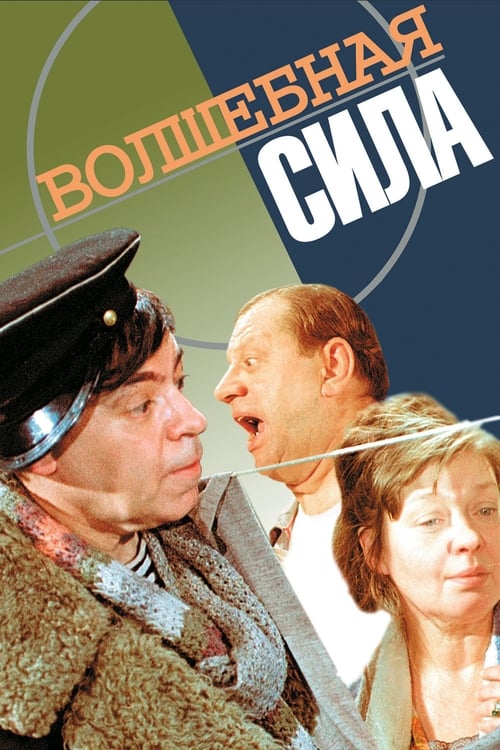
Magic Power is a musical comedy structured as a triptych of stories about the transformative nature of art. As a product of 1970s Soviet cinema, the film reflects the ideological priorities and social constraints of its time, focusing on collective experience. The narrative structure prioritizes communal artistic expression over individualist or capitalist hierarchies. While the film centers on the uplifting power of the arts, it lacks the complexity and identity-based subversion found in modern cinema. Ultimately, the film presents a stable, likely homogeneous social fabric. It functions as a traditional piece of cultural storytelling that emphasizes shared spiritual and aesthetic values through a musical lens.
Category Breakdown
The film follows the social norms of the 1970s Soviet era. There is no indication of LGBTQ+ or non-binary identities in the narrative.
Lyudmila Senchina’s prominent role highlights female talent. Female leads often drive the emotional core through music.
The cast appears uniform, typical of the 1970s Soviet domestic film industry. There is no evidence of significant racial or ethnic diversity.
The film emphasizes communal joy and the beauty of art. It operates within a state-sanctioned cultural tradition.
There is no specific evidence to suggest the inclusion of characters with disabilities.
Present on Screen
Limited or Absent
Official Synopsis
A three stories for a whole family about art and it's magic power.
1981
1965
1972
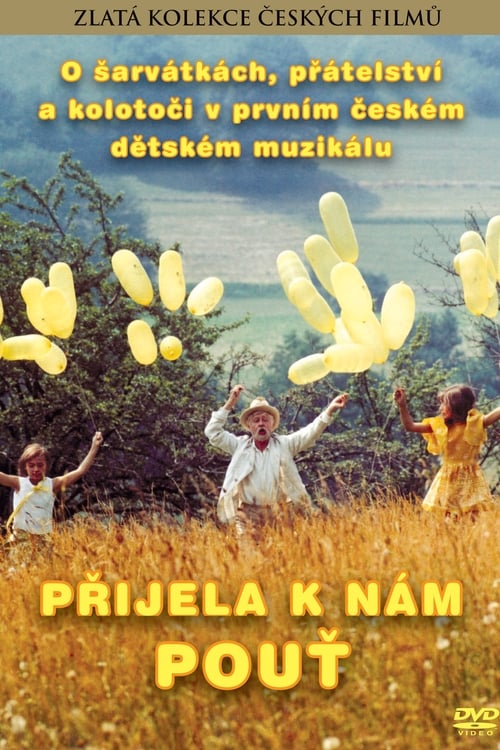
1974
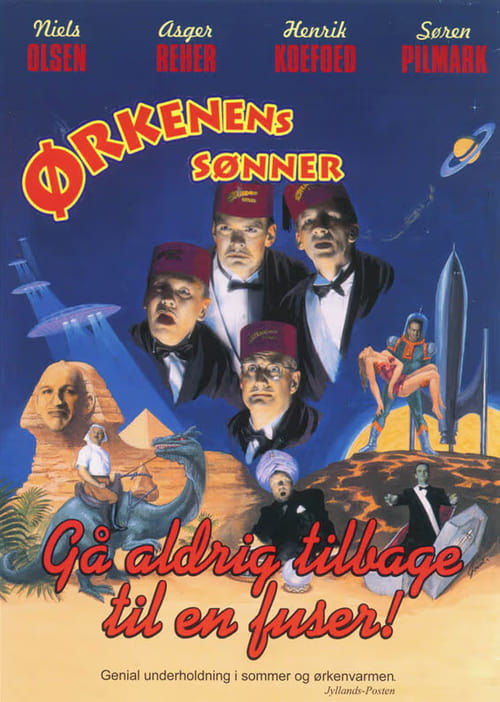
1997
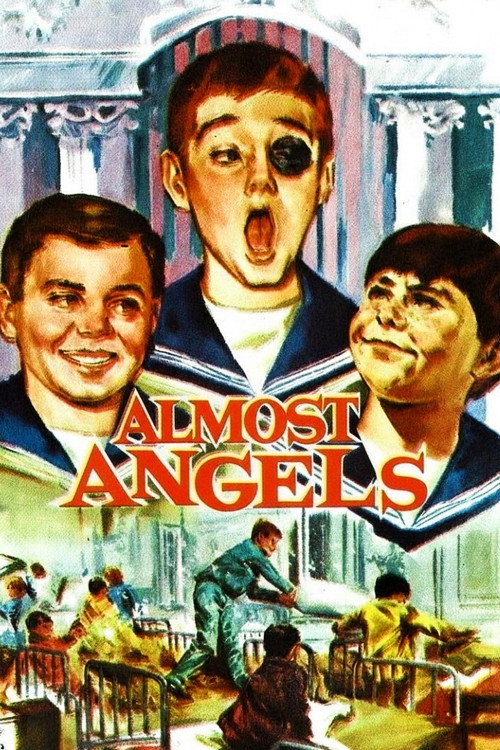
1962
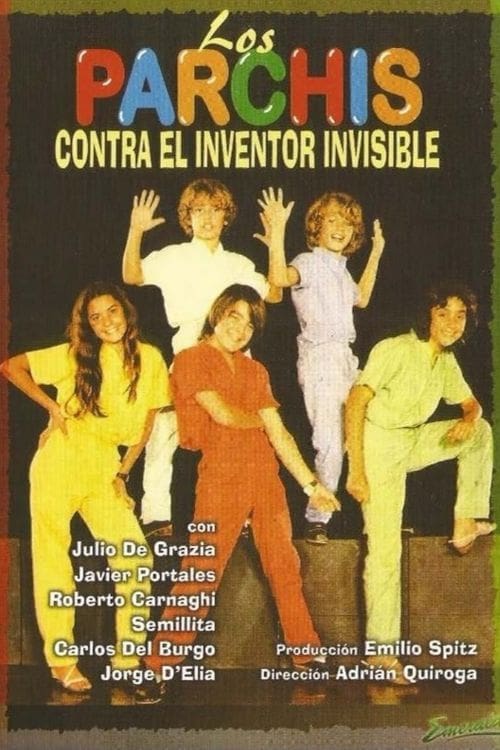
1981

1983
No reviews yet. Be the first to share your thoughts on this movie!
Use the rating form above to leave a star rating and optional review.