Salty Rose
1983
No user ratings available yet
Representation score: 6.1 out of 10
Representation Score
Good
2009
Director
Jan Jakub Kolski
Runtime
108 minutes
Average Rating
No ratings yetNew Showbiz Analysis
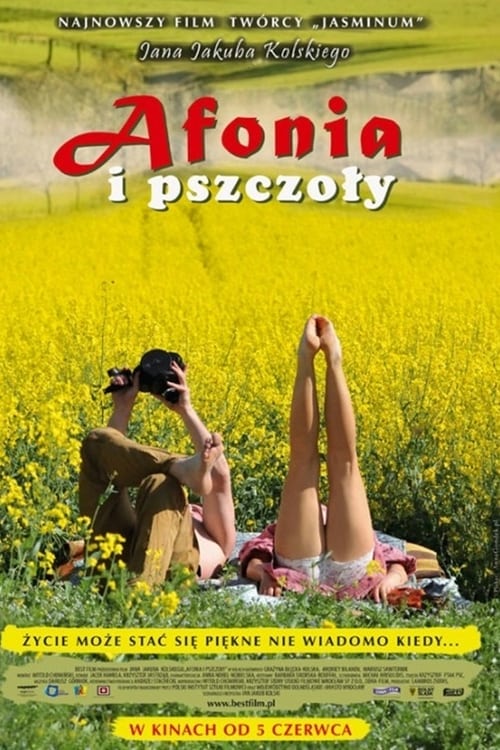
Afonia i pszczoły is a character-driven drama that moves away from traditionalist clichés by centering on female resilience and the destabilization of the patriarchal household. It uses ethnic tension and historical trauma to create a complex social landscape. The film offers a nuanced view of identity, particularly through the intersection of Polish and Russian backgrounds. The portrayal of disability is central to the plot, though the film lacks explicit LGBTQ+ representation. Overall, the work provides a sophisticated look at human frailty and shifting social structures, even if it remains within certain conventional romantic frameworks.
Category Breakdown
The film includes a romantic triangle that challenges traditional marriage stability, but it does not explicitly depict LGBTQ+ identities or same-sex intimacy.
Afonia is the main emotional driver, navigating life with a disabled spouse. Her husband's paralysis shifts the power dynamic, giving her a significant role in driving the story.
The story uses Slavic identity politics to create conflict. The presence of a Russian man in a Polish setting explores ethnic fluidity and the blurring of nationalistic boundaries.
The film deconstructs the traditional nuclear family through external passion. Historical trauma from a concentration camp survivor adds layers of complexity to the film's moral framework.
The husband's paralysis is a central element of the film's emotional tension. His physical condition is integrated into the core conflict rather than serving as a superficial detail.
Present on Screen
Limited or Absent
Official Synopsis
Afonia's husband is an ex-boxer, an ex-inmate of a Nazi concentration camp and almost ex-living person as he is paralyzed after an accident. Her daughter is already married. And although Afonia's name is Russian, she is Polish. The only thing both heroines share is love to another strong, handsome and addictive man. A Russian man.
1983
1985
2000
1989
2019

2022
2006
2014
No reviews yet. Be the first to share your thoughts on this movie!
Use the rating form above to leave a star rating and optional review.