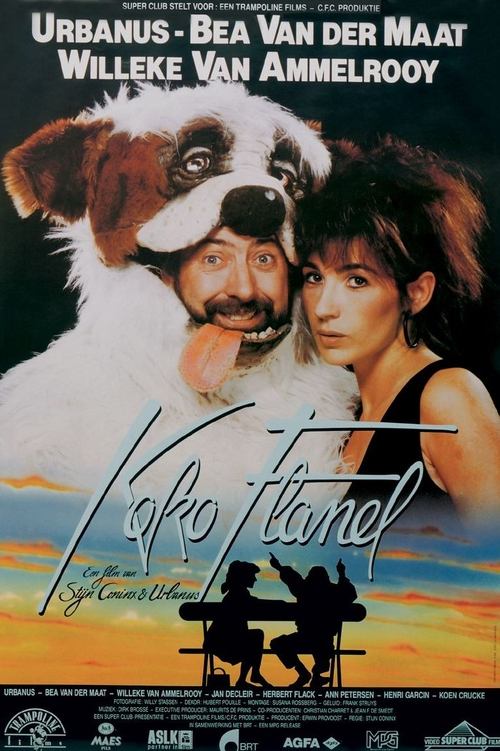
Koko Flanel
1990
No user ratings available yet
Representation score: 0.4 out of 10
Representation Score
Limited
1995
Director
Frank van Passel
Runtime
89 minutes
Average Rating
No ratings yetNew Showbiz Analysis
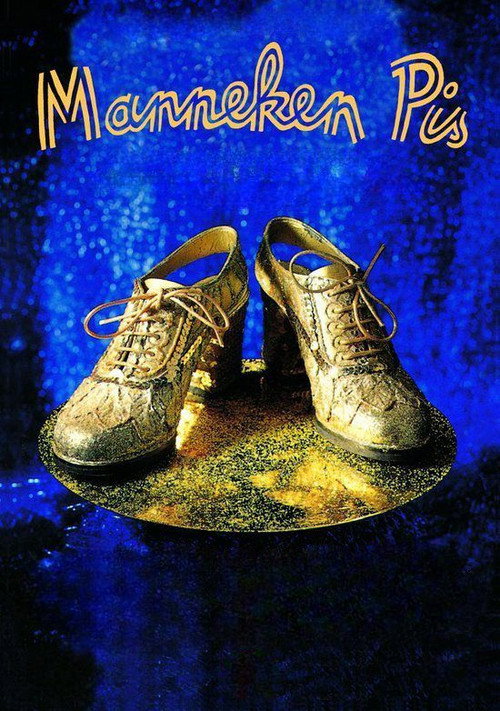
Manneken Pis is a character-driven romantic comedy that prioritizes individual emotional development and the serendipity of urban life. It functions as a humanist exploration of belonging and human connection within a city setting. While the film avoids harmful stereotypes, it remains within the bounds of traditional storytelling. It lacks significant multi-layered or subversive elements, focusing instead on a standard romantic arc and localized social circles. The film offers moderate representation of women's ability to drive the story but lacks diversity in terms of LGBTQ+ identities and racial the way different parts of someone's identity overlap, reflecting a more traditional European urban milieu.
Category Breakdown
The film follows a traditional romantic storyline between Harry and Jeanne, without any queer narratives or non-cisgender identities. It adheres to conventional heterosexual structures.
Female characters such as Denise and Jeanne play important roles in the protagonist's journey. They have distinct personalities that avoid purely decorative or submissive roles, offering moderate character depth.
The story centers on a localized, relatively homogeneous social circle in Brussels. There is no explicit evidence of racial blending or significant emphasis on diverse ethnic backgrounds.
The narrative explores urban displacement and the formation of a 'found family' through workplace connections. It focuses on humanist themes rather than deconstructing religious or capitalist structures.
There is no discernible mention of characters navigating physical, neurodivergent, or mental health conditions within the provided character descriptions.
Present on Screen
Limited or Absent
Official Synopsis
The film is about the orphan Harry, a young man of 28 who arrives in Brussels packed and ready to go. There, he makes a fleeting acquaintance in the tram with its driver: Jeanne. He finds accommodation in a flat block under the care of the slightly eccentric concierge Denise. A short time later, he finds work as a dishwasher in a restaurant where he meets his humorous colleagues Bert and Désiré. Coincidence exists because Jeanne lives in the flat below his. They get to know each other better and Harry falls in love with her, although he has a hard time expressing those feelings.
1990

1997
2006
2000
1966
1979
2001
2014
No reviews yet. Be the first to share your thoughts on this movie!
Use the rating form above to leave a star rating and optional review.