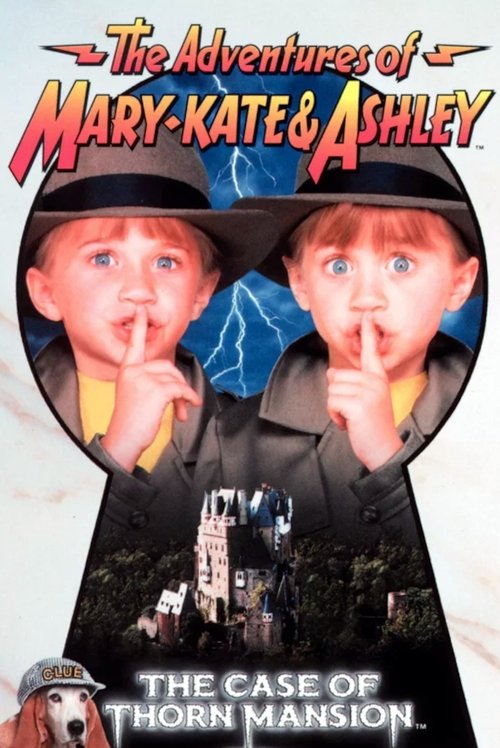
The Adventures of Mary-Kate & Ashley: The Case of Thorn Mansion
1994
No user ratings available yet
Representation score: 1.4 out of 10
Representation Score
Minimal
1995
GDirector
Michael Kruzan
Runtime
30 minutes
Average Rating
No ratings yetNew Showbiz Analysis
This production adheres to the standard commercial conventions of mid-90s children's media, prioritizing mystery clichés over social commentary. It functions as a traditional, non-challenging narrative that aligns with the era's mainstream expectations. The film's primary strength lies in its gender dynamics, providing female leads who play a significant role in driving the story and intellectual authority. However, this is offset by a lack of diverse casting and a complete absence of LGBTQ+ or disability representation. Ultimately, the work presents a homogeneous social landscape. While it offers empowering roles for its young female protagonists, it remains firmly rooted in a conventional, Western, and non-diverse framework.
Category Breakdown
The film does not include any visible LGBTQ+ characters or non-straight identities. It does not engage with queer narratives or challenge traditional relationship structures.
Mary-Kate and Ashley are the main drivers of the plot through their intelligence and investigative efforts. While the film upholds a standard social order, it successfully centers female protagonists in roles where they play active roles.
The casting and narrative focus are predominantly homogeneous, reflecting a lack of diverse racial or ethnic backgrounds. The production presents a largely Anglo-Saxon social environment typical of mid-90s children's programming.
The story operates within a traditional Western framework, emphasizing middle-class stability and adherence to societal rules. It reinforces conventional values of curiosity and community engagement without challenging established social hierarchies.
There are no depictions of visible or invisible disabilities. No characters have arcs defined by neurodivergence or physical impairment.
Present on Screen
Limited or Absent
Official Synopsis
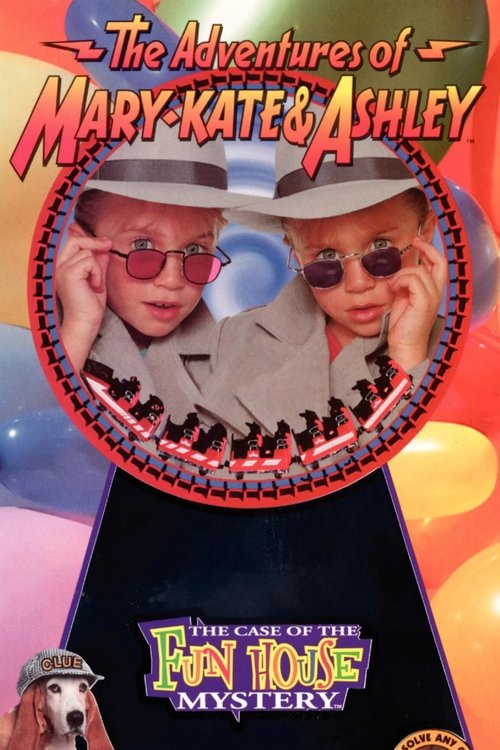
In this episode, the pint-sized private investigators take a spin on spine-tingling amusement park rides and then team up with some hilarious pirates-of-the-midway to catch the scary monster that lurks inside the freaky Fun House.
1994
2002
1997
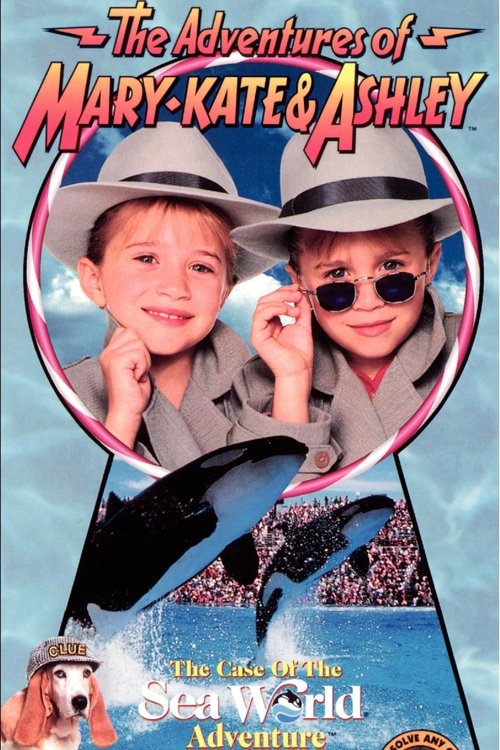
1995
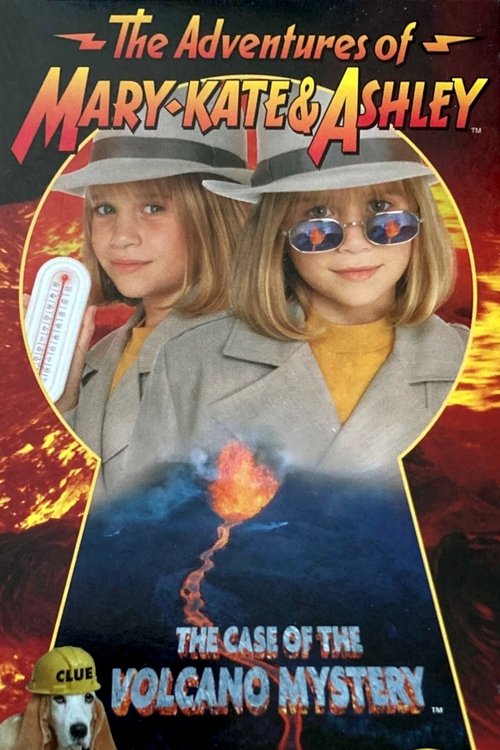
1997
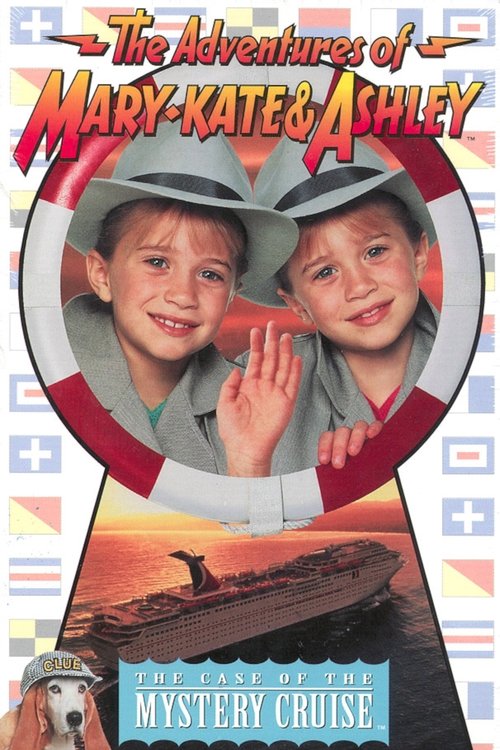
1995
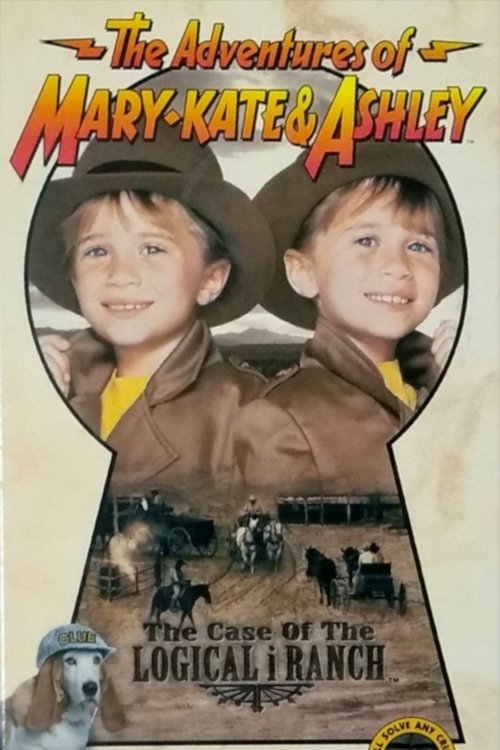
1994
1996
No reviews yet. Be the first to share your thoughts on this movie!
Use the rating form above to leave a star rating and optional review.