
Scooby-Doo 2: Monsters Unleashed
2004
No user ratings available yet
Representation score: 4.6 out of 10
Representation Score
Good
2002
PGDirector
Raja Gosnell
Runtime
87 minutes
Average Rating
No ratings yetNew Showbiz Analysis
Scooby-Doo (2002) marks a transitional phase in mainstream family entertainment. It advances female characters by moving Daphne from passive roles to active, competent ones that propel the plot. However, the film lacks depth in representing diverse identities. While it uses a non-Western setting, it does not explore the specific cultural identities of that location, treating it merely as a backdrop for mystery. Ultimately, the film relies on conventional identities and structures, prioritizing genre clichés over complex representation.
Category Breakdown
The film adheres to traditional assumptions about straight relationships and ignores non-traditional gender identities. There are no clear representations of LGBTQ+ characters or queer relationships.
Daphne breaks the damsel-in-distress stereotype by showing strong physical abilities and competence. The film satisfies the Bechdel test through substantial conversations between female characters.
The main cast is predominantly white, though there is some diversity for its time. The tropical setting is used more as a backdrop for mystery rather than a platform for exploring cultural identities.
The story criticizes commercialized Western institutions by depicting a resort as a cult-like environment. It emphasizes individual investigation over adherence to local authority.
Characters are portrayed as physically fit and neurotypical. There are no significant characters dealing with visible or invisible disabilities.
Present on Screen
Limited or Absent
Official Synopsis
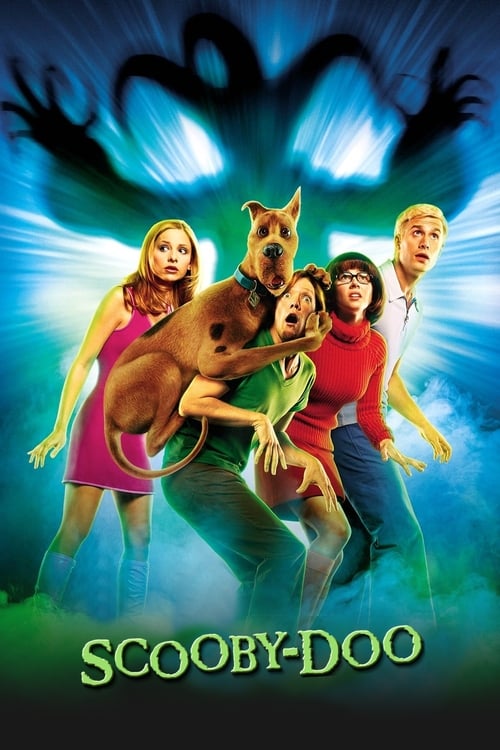
When the Mystery Inc. gang is invited to Spooky Island, a popular amusement park, they soon discover that the attractions aren't the only things that are spooky. Strange things are happening, and it's up to Scooby, Shaggy, Fred, Daphne, and Velma to uncover the truth behind the mysterious happenings.
2004
2005
2010
2006
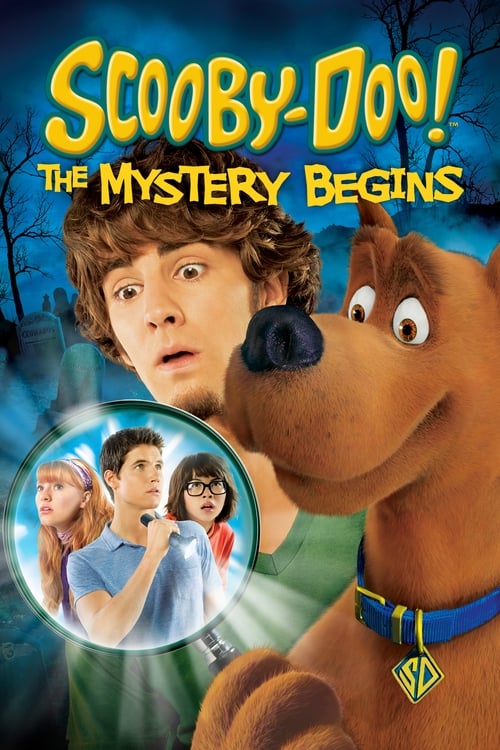
2009
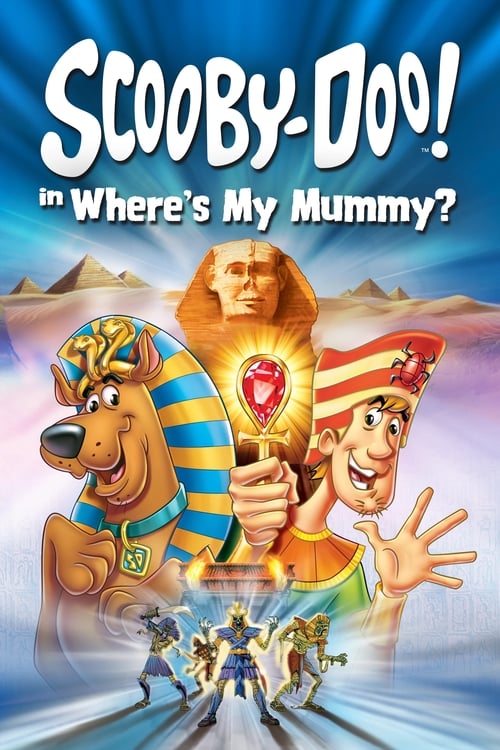
2005
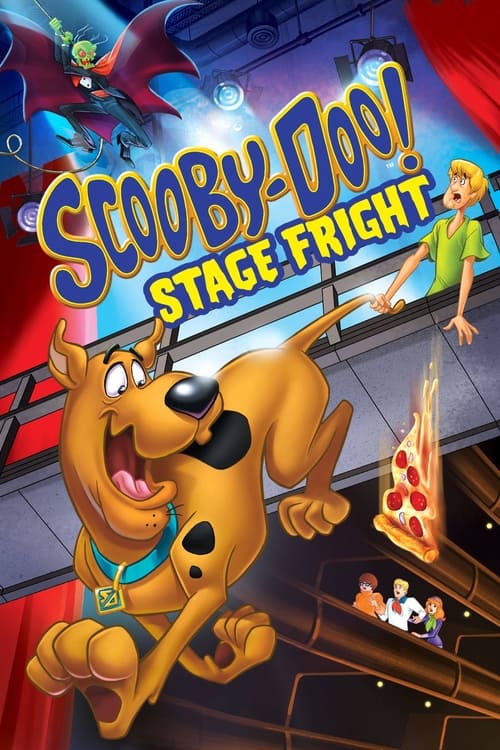
2013
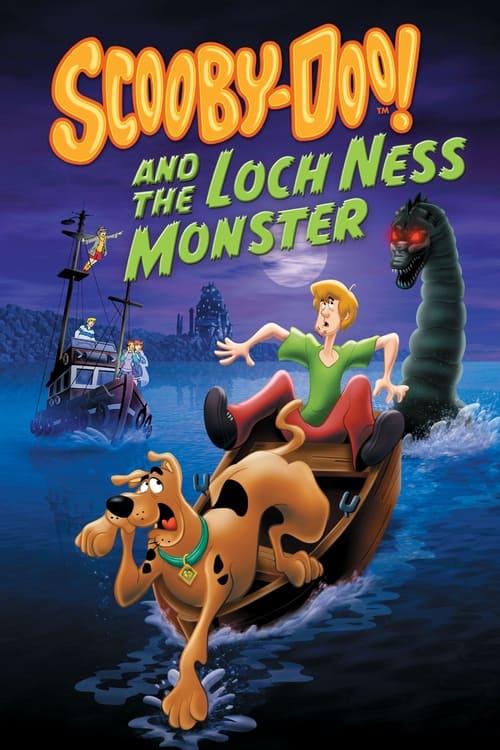
2004
No reviews yet. Be the first to share your thoughts on this movie!
Use the rating form above to leave a star rating and optional review.