The Orphanage
2007
No user ratings available yet
Representation score: 4.3 out of 10
Representation Score
Good
2020
Director
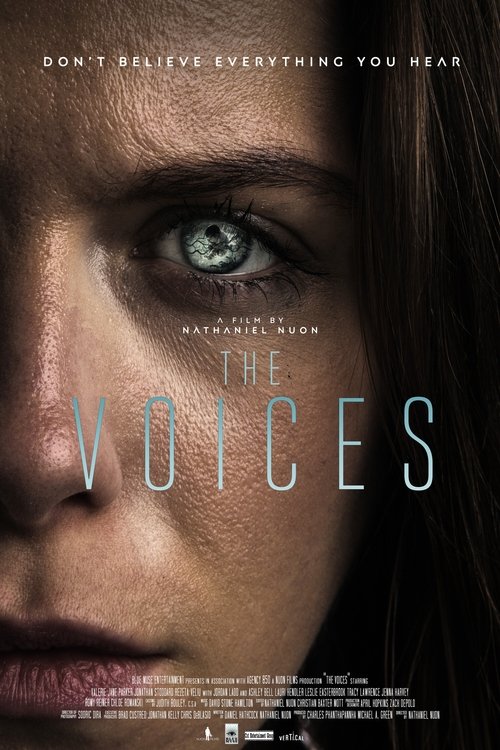
Nathaniel Nuon
Runtime
108 minutes
Average Rating
No ratings yetNew Showbiz Analysis
Voices succeeds by centering a visually impaired protagonist, turning a potential weakness into a unique way of experiencing the world. This approach offers a meaningful exploration of sensory perception and ability to act within the horror genre. However, the film remains largely within traditional social frameworks. It relies on conventional domestic structures and maternal roles, missing opportunities to challenge broader social hierarchies or explore diverse multi-layered identities. Ultimately, the film is a character study that elevates a underrepresented perspective to a central role, even if it stays within established narrative boundaries.
Category Breakdown
The story focuses on a traditional family structure centered around marriage and motherhood. It avoids using negative stereotypes but does not include explicit representations of LGBTQ+ identities or challenge the assumption that everyone is straight.
Lilly is a strong female lead who drives the plot through her intelligence and resilience. She plays a significant role in the story, but the narrative leans on traditional maternal archetypes.
The film lacks visible diversity in its cast and does not explore multiple aspects of identity related to race. The story focuses on individual spiritual journeys rather than broader racial power dynamics.
The film delves into a complex spiritual framework involving limbo and moral relativism. It avoids dogmatic religious teachings but does not engage in specific critiques of Western or capitalist systems.
Blindness is a core part of the protagonist's identity and her connection to the supernatural. The film portrays disability as a nuanced human experience rather than just a plot device.
Present on Screen
Limited or Absent
Official Synopsis
After visiting her father's grave, Lilly and her mother are involved in a terrible car accident leaving Lilly orphaned and unable to see. In her youth, she struggles with her blindness and begins to hear voices. Unbeknownst to her they don't belong to the living. After years of learning to cope, Lilly is now happily married with a baby on the way. Lilly soon discovers her unborn baby has become a vessel a second chance for souls stuck in limbo to be re-born. She only has until the baby's first heartbeat to decide which soul will be re-born through her. Now the voices she heard in her youth have returned, clamoring for the chance to come back. Among the voices, she befriends the spirit of a little girl tied to a years-old cold case. Lilly finds herself in a desperate struggle with the girl's murderers and the souls vying to be born again.
2007
2003
2015

2016
2020
2008
2015
2005
No reviews yet. Be the first to share your thoughts on this movie!
Use the rating form above to leave a star rating and optional review.