
El último viaje
1974
No user ratings available yet
Representation score: 1.7 out of 10

Representation Score
Limited
1996
Director
José Antonio de la Loma
Average Rating
No ratings yetNew Showbiz Analysis
Tres días de libertad sticks closely to the conventions of mid-90s crime and thriller cinema. The film relies on conventional storytelling techniques without attempting to challenge identity politics or gender hierarchies. Its representation is shaped by the era's genre constraints. The film does not make deliberate efforts to disrupt racial or social hierarchies, focusing instead on the standard narrative structures and traditional morality. Overall, the film reflects the cultural context of its time without actively engaging with multi-layered themes.
Category Breakdown
The film does not include any clear representation of LGBTQ+ identities or same-sex relationships. It follows traditional genre conventions that prioritize straight relationships.
The film adheres to traditional gender roles typical of crime thrillers from the late 1990s. There is no indication of women taking a leading role or challenging male dominance.
The Spanish-language title suggests the presence of non-Anglo-Saxon cultural elements, but there is no confirmation of a predominantly non-white cast. Representation is tied to the regional production context.
The film operates within standard cinematic morality without presenting systemic critiques of institutions. It does not explore anti-institutional or anti-capitalist themes.
The film does not mention any characters dealing with physical, sensory, or neurodivergent conditions. There is no information about disability representation.
Present on Screen
Limited or Absent
1974

2014
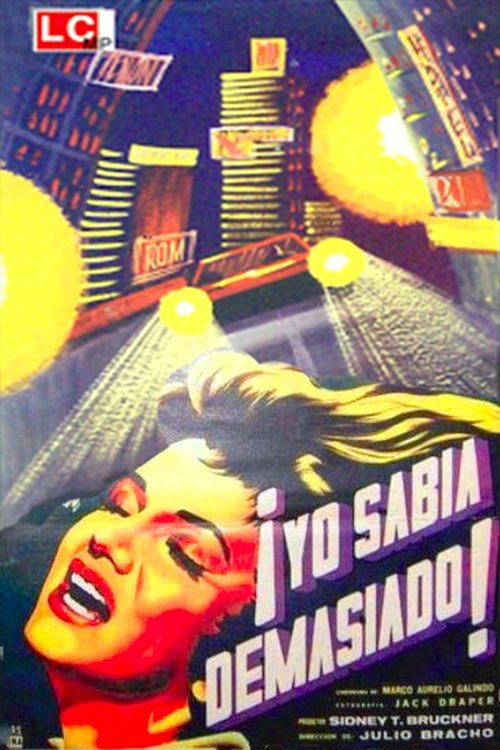
1960
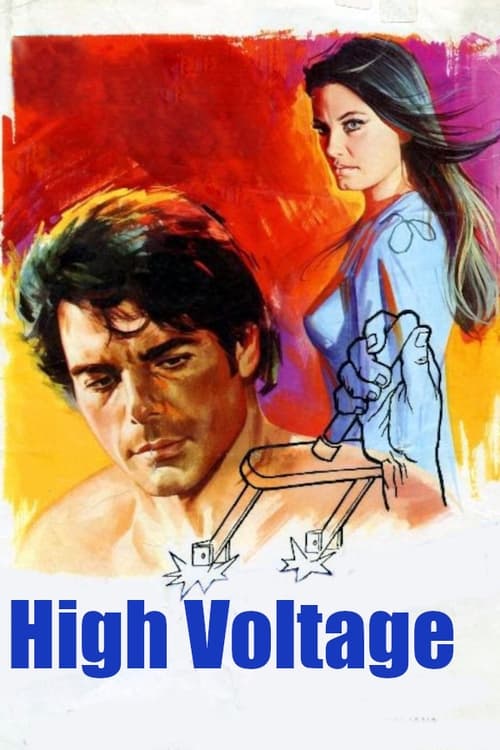
1972
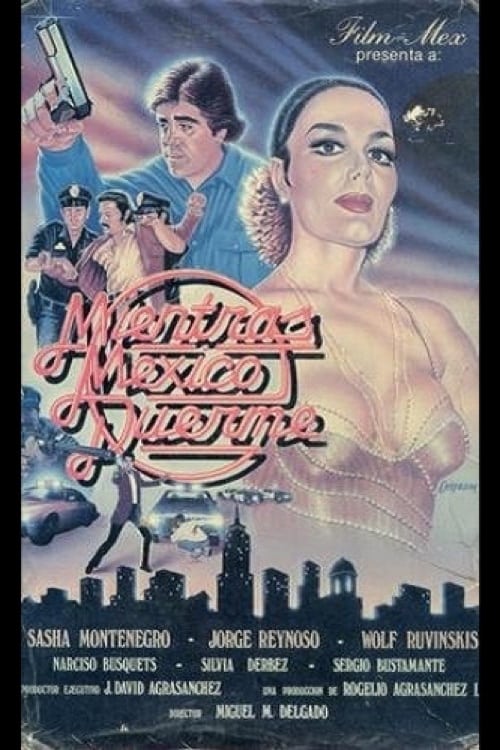
1986
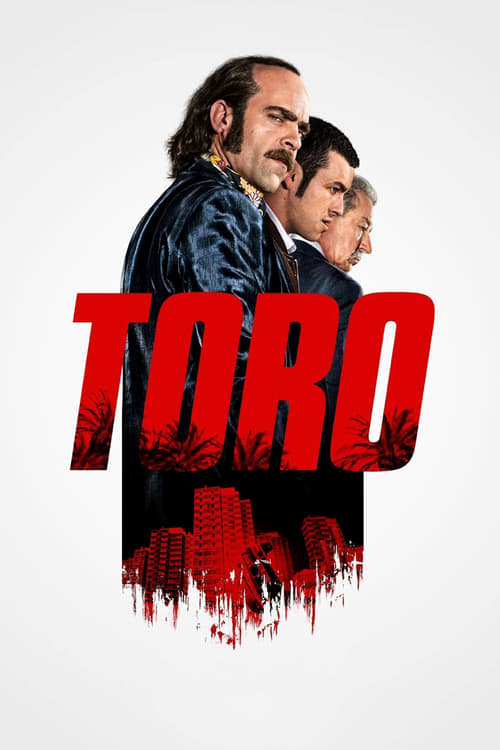
2016

2019

1996
No reviews yet. Be the first to share your thoughts on this movie!
Use the rating form above to leave a star rating and optional review.