Once Upon a Time…
1950
No user ratings available yet
Representation score: 1.3 out of 10
Representation Score
Fair
1964
ApprovedDirector
Hawley Pratt
Runtime
6 minutes
Average Rating
No ratings yetNew Showbiz Analysis
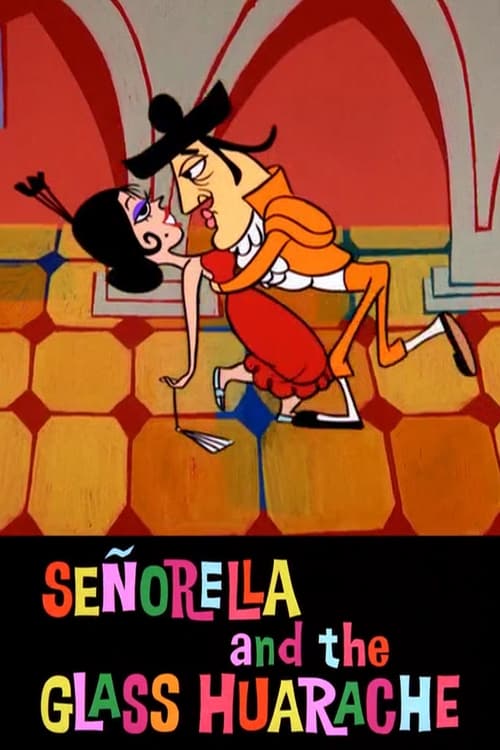
The film succeeds in cultural localization by recontextualizing a European folklore structure within a Mexican setting. This shift provides a more diverse ethnic framework than standard mid-century animation. While the protagonist seeks liberation from an oppressive domestic environment, the narrative ultimately adheres to traditional romantic clichés. Her empowerment is heavily linked to her appearance and social elevation through marriage. The work offers a meaningful ethnic reimagining but stops short of radical social critique, opting instead for a romanticized resolution within existing class hierarchies.
Category Breakdown
The story follows a traditional romantic storyline typical of the Cinderella archetype. There are no explicit depictions of LGBTQ+ identities or non-straight relationships.
Senorella acts as the primary driver of her destiny, seeking liberation from an oppressive domestic environment. However, her empowerment remains tied to her appearance and romantic success.
The film utilizes a Mexican framework to reimagine a Western fairy tale. It incorporates specific cultural signifiers like the glass huarache and a bullfighter's estate to move away from Anglo-centric storytelling.
The narrative critiques systemic domestic oppression through the 'Strap-mother' and 'Strap-seesters.' However, the resolution relies on a traditional fantasy of social mobility through a high-status estate.
There is no evidence regarding the portrayal of physical or neurodivergent disabilities in this work.
Present on Screen
Limited or Absent
Official Synopsis
In a Mexican restaurant, a man named Jose tells to his friend, Manuel, the story of Senorella, a Mexican version of Cinderella. Senorella's dream of liberation from her slavish existence under the yoke of her wicked "Strap-mother" and "Strap-seesters", comes true after her fairy godmother grants her a night as a ravishing beauty at the fiesta at a bullfighter's father's estate.
1950
1970
1969
1980
1965
1950
1945
1955
No reviews yet. Be the first to share your thoughts on this movie!
Use the rating form above to leave a star rating and optional review.