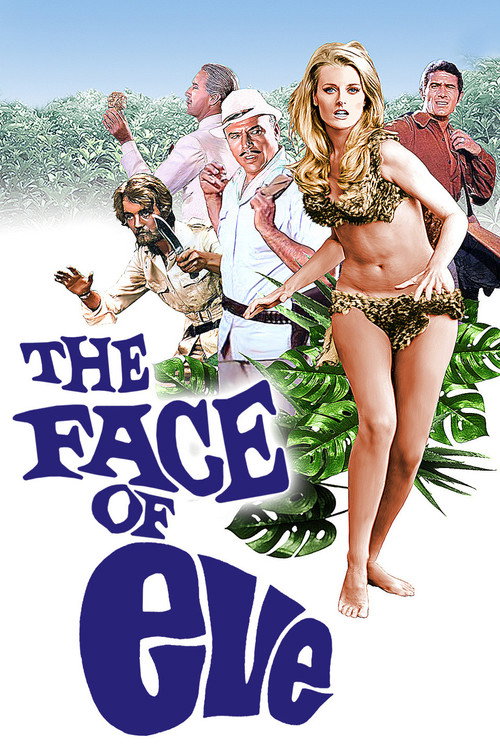
The Face of Eve
1968
No user ratings available yet
Representation score: 1.1 out of 10
Representation Score
Minimal
1956
ApprovedDirector
Tom McGowan
Runtime
41 minutes
Average Rating
No ratings yetNew Showbiz Analysis
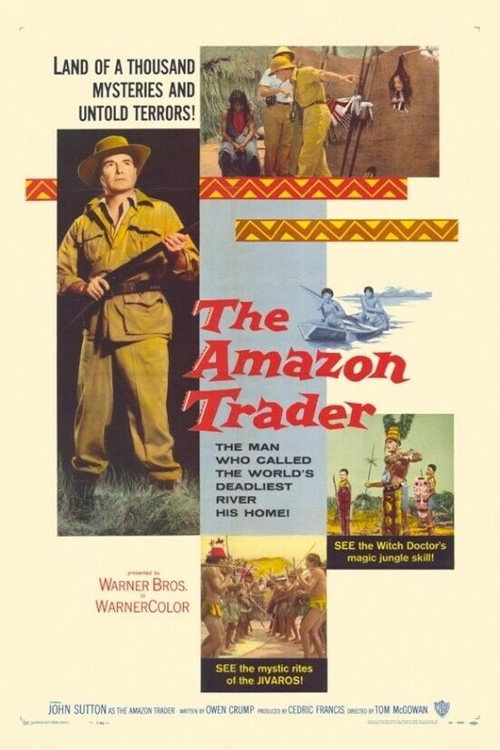
The Amazon Trader is a product of its time, functioning as a traditional adventure-thriller that adheres to mid-20th-century cinematic conventions. The narrative structure emphasizes the 'explorer' archetype and individualist heroism, limiting the scope for diverse perspectives. Power dynamics in the film appear hierarchical, especially in the relationship between the protagonist and the South American setting. The portrayal of indigenous tribes as objects to be exploited suggests a colonialist viewpoint rather than a nuanced cultural exploration. Overall, the film lacks depth in representing multiple aspects of identity. It upholds established social hierarchies and gender norms typical of 1956 adventure cinema, offering little challenge to the era's standard clichés.
Category Breakdown
The film does not include any LGBTQ+ identities or same-sex relationships, sticking to the traditional heterosexual norms of the 1950s. It focuses on masculine archetypes common to the era.
Male characters take center stage, while female roles are either absent or portrayed in passive, stereotypical ways typical of the time.
The story involves an escapee interacting with a native tribe, using colonialist clichés. Indigenous populations are shown as secondary elements without much ability to act.
The film follows a Western-centric perspective of exploration, reinforcing the adventure narratives typical of the period without challenging colonialist views.
There is no mention of characters with physical or neurodivergent disabilities.
Present on Screen
Limited or Absent
Official Synopsis
An adventurer narrates four stories set in the South American jungle, including that of an escapee from Devil's Island who attempts to take advantage of a native tribe.
1968
1965
1934
1934

1953

1954
1964
1987
No reviews yet. Be the first to share your thoughts on this movie!
Use the rating form above to leave a star rating and optional review.