11:11
2004
No user ratings available yet
Representation score: 2.5 out of 10
Representation Score
Fair
2002
Not RatedDirector
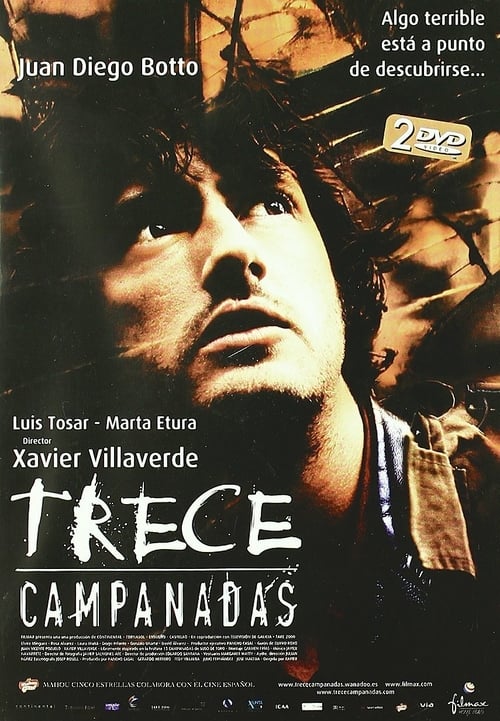
Xavier Villaverde
Runtime
108 minutes
Average Rating
No ratings yetNew Showbiz Analysis
13 Curses adheres closely to traditional psychological horror conventions, emphasizing ancestral trauma and supernatural conflict over diverse representation or challenging systemic power dynamics. The narrative architecture relies heavily on genre clichés, such as using mental illness as a source of terror. The focus remains on a singular, homogeneous family history within a specific Spanish setting. Ultimately, the film lacks visible diverse casting or identity-driven storytelling, favoring a narrow, patriarchal narrative structure.
Category Breakdown
The film does not include any LGBTQ+ characters or stories about non-assuming gender matches what was assigned at birth identities. The plot revolves around a traditional, troubled nuclear family.
The story centers on a male ghost who influences a male protagonist. Female characters are defined by violence and trauma rather than having their own choices.
The narrative is set in Santiago de Compostela and focuses on a localized, seemingly homogeneous family lineage. There is no indication of racial or ethnic diversity.
The film uses Western religious symbols like cathedrals and bells through a psychological horror lens. It explores ancestral legacy rather than religious morality.
Mental health is a central theme, with a mother in a psychiatric hospital. However, illness is used primarily as a horror cliché and plot driver.
Present on Screen
Limited or Absent
Official Synopsis
Jacobo is a young sculptor that returns to native city, Santiago of Compostela, to see his mother, locked up a psychiatric hospital for to kill to her husband, when he believed she dead years ago. To their arrival, visions of Mateo, his dead father eighteen years ago, begin to persecute to him, since his father died by shot gun, peculiarly, when thirteen peals sounded in the cathedral, fact what obsesses to Jacobo. After watching several times, Mateo convinces his son to make the work for the cathedral that his father couldn't finish in life, but what begins as a simple work becomes a madness spiral when Jacobo discovers the true intentions of the ghost of his father: to kill to his son to usurp his body to finish the statue, and after to return to the life.
2004
2003
2003
1977
2008
2003
2009

2016
No reviews yet. Be the first to share your thoughts on this movie!
Use the rating form above to leave a star rating and optional review.