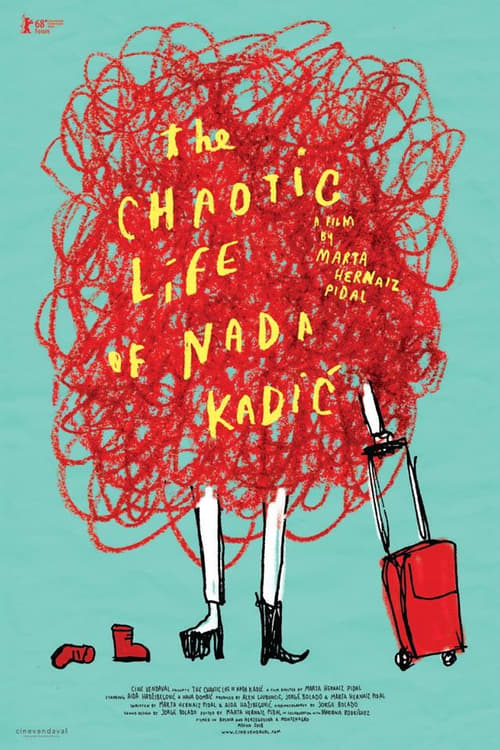
The Chaotic Life of Nada Kadic
2018
No user ratings available yet
Representation score: 8.1 out of 10

Representation Score
Fair
2022
Director
Jacek Lusiński
Runtime
112 minutes
Average Rating
No ratings yetNew Showbiz Analysis
Backwards is a specialized drama that prioritizes disability advocacy and systemic critique over broad demographic variety. Its greatest strength lies in its nuanced, non-exploitative depiction of autism and the neurodivergent experience. The film moves beyond simple clichés to show the exhausting reality of navigating rigid social structures. However, the film's impact is localized. The demographic profile is largely homogeneous, reflecting a specific rural Polish setting. While this supports realism, it results in low racial and ethnic diversity. Ultimately, the film succeeds as a character study of resilience. It trades wide-reaching representation for a deep, focused exploration of how individuals fight for dignity within heartless bureaucracies.
Category Breakdown
The film lacks LGBTQ+ characters or narratives. The story focuses exclusively on maternal bonds and the challenges of neurodiversity.
The film centers on a young mother who is shown as a strong and resilient figure. She is portrayed as an agent of change who faces down state institutions.
The cast reflects a homogeneous, rural Polish population. This choice aligns with the film's commitment to a localized realistic setting.
The film critiques Western institutional frameworks by portraying bureaucracy as heartless. It emphasizes lived experiences over the preservation of institutional authority.
The film offers an authentic portrayal of autism without relying on inspirational stories. It centers the neurodivergent experience and highlights the need for systemic accommodation.
Present on Screen
Limited or Absent
Official Synopsis
Inspired by real events, the story of a young mother of an autistic boy, whose long-term persistence and struggle with bureaucracy and human heartlessness led to significant changes in the Polish education system.
2018

2013
2014

2011
2014

2014

2021

2008
No reviews yet. Be the first to share your thoughts on this movie!
Use the rating form above to leave a star rating and optional review.