
Un posto tranquillo
2003
No user ratings available yet
Representation score: 4.5 out of 10
Representation Score
Limited
2020
Director
Luca Manfredi
Runtime
108 minutes
Average Rating
No ratings yetNew Showbiz Analysis
This biopic functions as a historical retrospective designed to celebrate the legacy of Alberto Sordi. By focusing on his ascent from OnClickListener 1937 to 1957, the film naturally adheres to the social hierarchies and cultural norms of mid-20th-century Italy. The narrative structure prioritizes biographical fidelity and historical accuracy, resulting in a traditionalist portrayal of mid-century life that lacks complexity in addressing diverse backgrounds. Ultimately, the work serves as a celebration of a specific cultural icon rather than a critique of the era's social structures.
Category Breakdown
The film reflects the social constraints of the 1930s through the 1950s, where LGBTQ identities are not explicitly represented or critiqued.
The narrative follows a male-centric trajectory centered on Sordi's career, aligning with traditional historical archetypes of mid-century Italian society.
Set in a specific historical window in Italy, the cast reflects the era's demographic homogeneity, with no indication of intentional blending of different backgrounds.
The story explores the tension between individual ambition and traditional institutions like family and church, framed within mid-century Italian cultural values.
There is no evidence regarding the inclusion of characters with visible or invisible disabilities.
Present on Screen
Limited or Absent
Official Synopsis
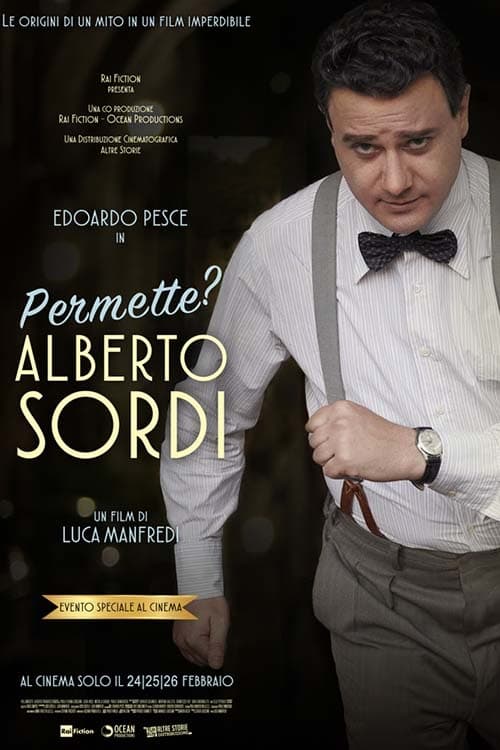
Biopic about Italian actor Alberto Sordi, from his beginnings 1937 to celebrity in 1957.
2003

2006

2016
1972
2008
2024
2022

2015
No reviews yet. Be the first to share your thoughts on this movie!
Use the rating form above to leave a star rating and optional review.