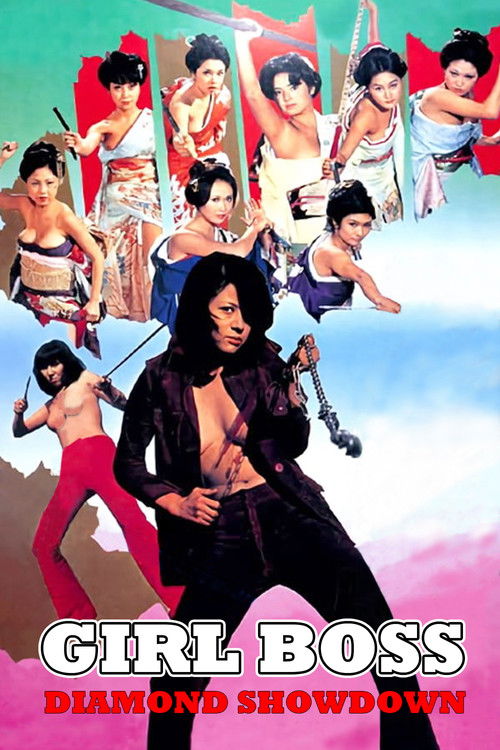
Girl Boss: Diamond Showdown
1974
No user ratings available yet
Representation score: 5.3 out of 10
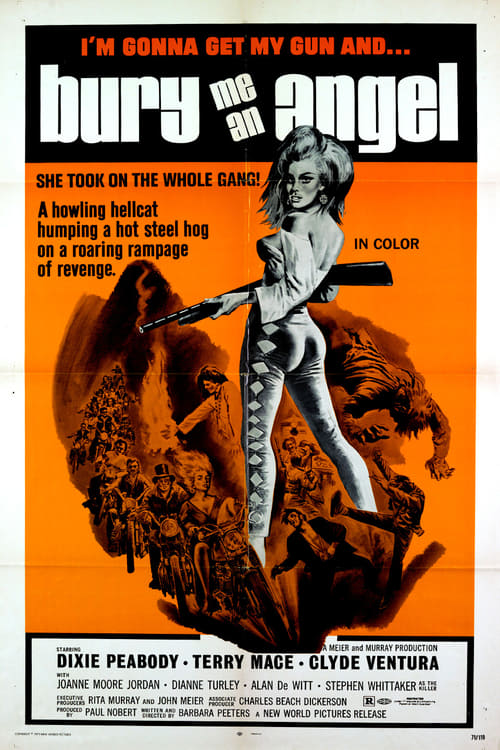
Representation Score
Fair
1971
RDirector
Barbara Peeters
Runtime
89 minutes
Average Rating
No ratings yetNew Showbiz Analysis
Barbara Peeters' direction offers a progressive perspective on 1970s action cinema by highlighting a physically competent and justice-seeking female protagonist. However, the film lacks depth in representing diverse identities, such as sexuality, race, and disability. The narrative remains within conventional social frameworks.
Category Breakdown
The film lacks explicit LGBTQ+ characters or non-straight relationships. The story centers on a protagonist's quest for revenge within traditional relationship structures.
The film challenges traditional hierarchies by focusing on Dag, a female biker who plays a significant role in driving the story. This contrasts with the era's cliché of the passive female character.
Details about the racial makeup of the cast are unverified. The film likely adheres to the homogeneous casting norms typical of 1970s biker films.
The story explores a underrepresented biker subculture and anti-establishment themes. It emphasizes individualistic morality over institutional laws and traditional social order.
There is no information about the inclusion of characters with physical or neurodivergent disabilities.
Present on Screen
Limited or Absent
Official Synopsis
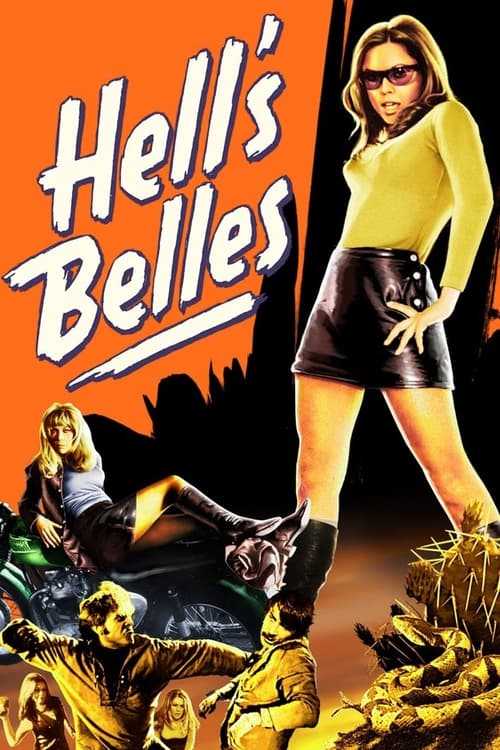
After learning that her brother has been murdered, biker Dag sets out on the road with two close friends to find the killer. As they travel, they encounter various people and conflicts, and Dag’s emotional struggle becomes increasingly apparent, leading to a final violent confrontation with her brother’s murderer.
1974
1972
1986
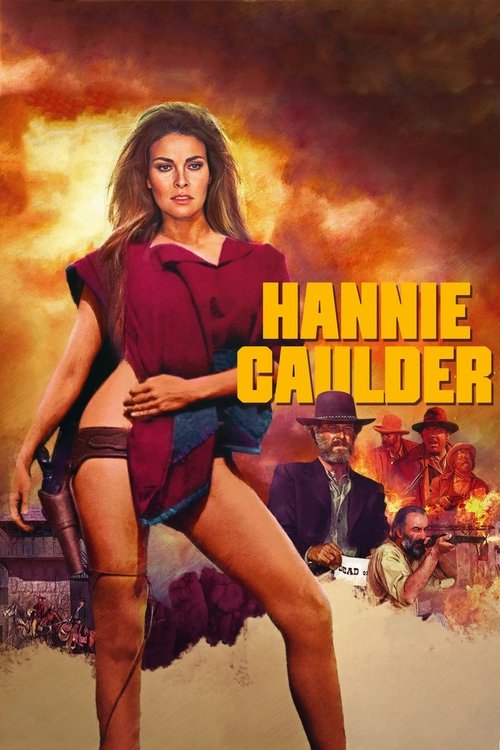
1971
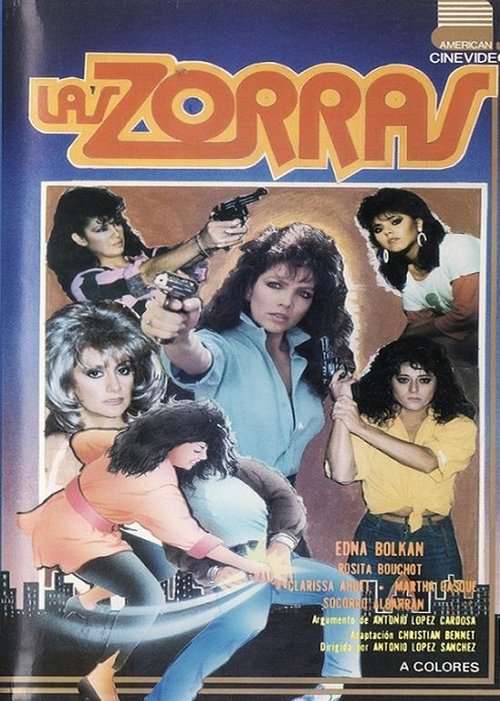
1987
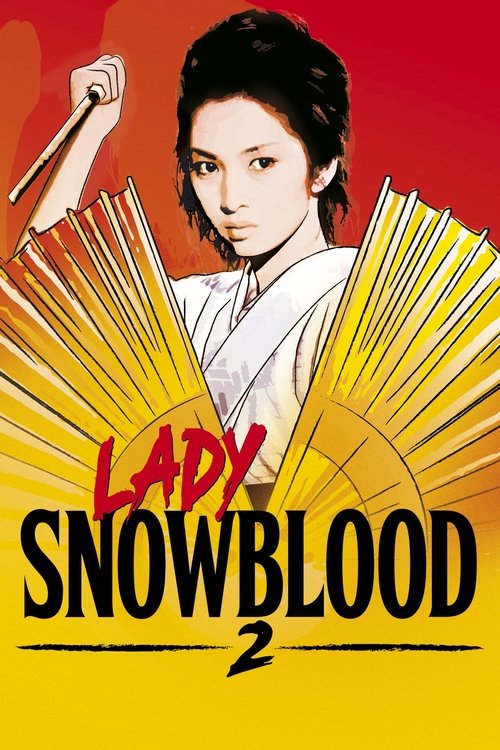
1974
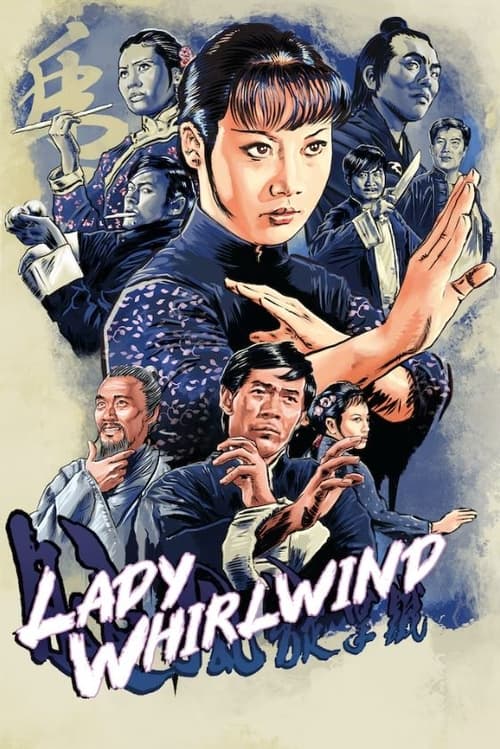
1972
1969
No reviews yet. Be the first to share your thoughts on this movie!
Use the rating form above to leave a star rating and optional review.