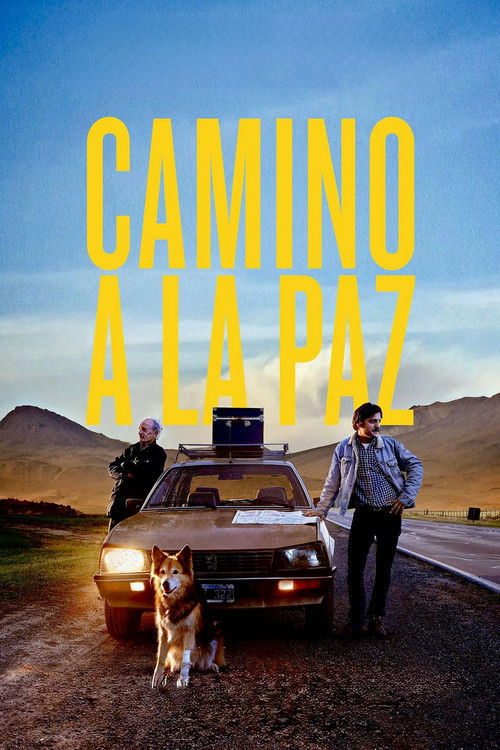
Road to La Paz
2015
No user ratings available yet
Representation score: 3.3 out of 10
Representation Score
Good
2006
Not RatedDirector
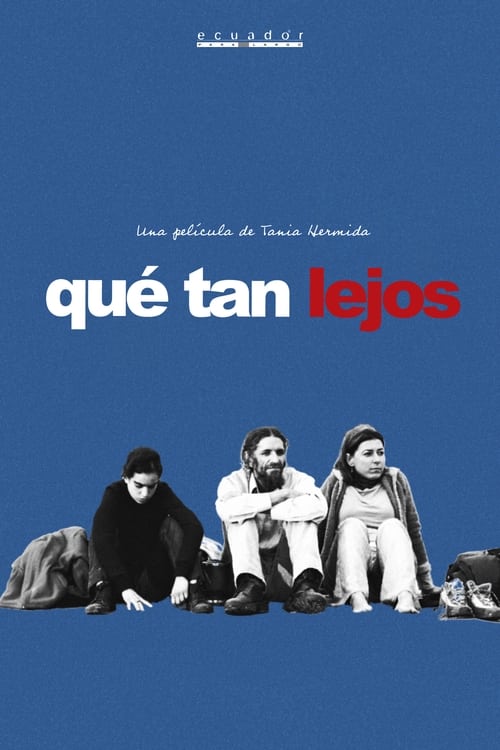
Tania Hermida
Runtime
92 minutes
Average Rating
No ratings yetNew Showbiz Analysis
The film stands out in its subversion of traditional gender roles and its nuanced exploration of ethnic identity. It centers on two women navigating a landscape disrupted by an Indigenous-led strike, avoiding superficial clichés. However, the lack of explicit LGBTQ+ representation and the absence of disability portrayal limits its inclusivity. The film effectively critiques the 'tourist gaze' and deconstructs national identity through a post-colonial lens.
Category Breakdown
The film focuses on the emotional bond between Tristeza and Esperanza, two female characters. Though there is no explicit romantic relationship, the story emphasizes their companionship and independence, avoiding assumptions about heterosexual relationships.
The protagonists, Tristeza and Esperanza, have significant autonomy and drive the plot. They avoid the cliché of damsels in distress, instead navigating political challenges with ability to act. Unreliable male characters serve mainly as catalysts for their development.
The story highlights tensions between a Spanish tourist and an Indigenous-led national strike in Ecuador. It critiques the sanitized tourist image of the country, emphasizing the friction between Western expectations and local realities.
The film provides a post-colonial critique that challenges traditional patriotic imagery and Western-centric moralities. By focusing on the Indigenous-led strike, it presents a complex view of the situation.
There is no significant evidence regarding the portrayal of visible or invisible disabilities within the narrative.
Present on Screen
Limited or Absent
Official Synopsis
A cynical college student and an optimistic tourist, stranded on a bus by a national strike, form an unlikely bond as they decide to hitchhike together to reach their individual destinations, discovering shared lessons and unexpected friendship along the way.
2015
1976

2018

2019
2012

2013

2009

2011
No reviews yet. Be the first to share your thoughts on this movie!
Use the rating form above to leave a star rating and optional review.