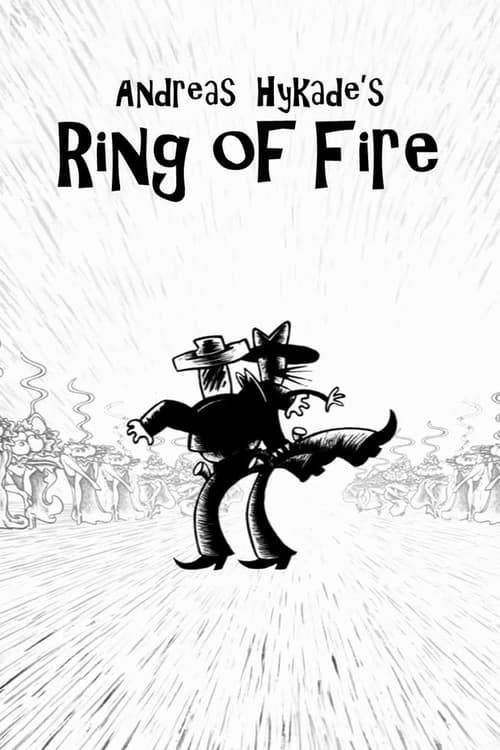
Ring of Fire
2000
No user ratings available yet
Representation score: 4.8 out of 10
Representation Score
Fair
1986
Director
Bob Stenhouse
Runtime
8 minutes
Average Rating
No ratings yetNew Showbiz Analysis
The film serves as a character-driven psychological study rather than a work of social commentary. It uses a dark, personified struggle with addiction to drive a madcap Western animation. While the narrative explores moral complexity through a personified Devil, it relies heavily on traditional clichés. The focus remains on individual psychological chaos rather than diverse social frameworks. Ultimately, the work prioritizes comedic energy and character archetypes over disrupting social hierarchies or representing underrepresented identities.
Category Breakdown
The film focuses on a single protagonist struggling with addiction. There are no queer-coded storylines or characters with non-straight identities.
The story centers on a drunkard, a role traditionally associated with masculinity. It does not challenge gender hierarchies or present non-traditional dynamics.
There is no information about the racial or ethnic makeup of the characters. The Western setting does not confirm any diversity among the cast.
The film uses dark humor to address the stigma of alcohol withdrawal. It personifies this struggle through a Devil figure to explore psychological morality.
Substance dependency is a central theme, possibly reflecting chronic health issues. However, the comedic tone might prioritize slapstick over nuanced portrayals of addiction.
Present on Screen
Limited or Absent
Official Synopsis
The short tells the story of a drunkard going through alcohol withdrawal, as personified by the Devil. Director Bob Stenhouse takes what could be a dark subject and makes it a funny madcap romp.
2000
1991
1991
1991
1960

1951
1934
1954
No reviews yet. Be the first to share your thoughts on this movie!
Use the rating form above to leave a star rating and optional review.