Nellys Abenteuer
2016
No user ratings available yet
Representation score: 3.9 out of 10
Representation Score
Limited
1979
Director
Václav Gajer
Runtime
73 minutes
Average Rating
No ratings yetNew Showbiz Analysis
On the Poachers Trail is a traditional adventure-family film that emphasizes intergenerational connections rather than social critique. The plot follows a young boy, Vašek, who chooses the wilderness and his grandfather's company over a planned family holiday. The film's progressive merit lies in its depiction of a child asserting autonomy against parental authority. This subtle disruption of the nuclear family hierarchy offers a minor departure from strictly traditional social structures. However, the film lacks diverse representation in terms of race, gender, or disability, making the narrative a culturally specific, homogeneous experience.
Category Breakdown
The film does not include any LGBTQ+ characters or non-cisgender identities. The story revolves around a traditional family structure involving parents and a grandfather.
The story centers on a male protagonist and his grandfather. While it does not challenge traditional gender roles, it shifts focus from adult domestic structures to a child's autonomy.
This localized European production features a homogeneous cast. There is no indication of racial diversity or blended backgrounds within the regional setting of the Bohemian Forest.
The film highlights the protagonist's choice to prioritize nature and his grandfather's companionship over a planned family holiday as a positive act. It emphasizes nature-centric values over structured social norms.
There is no mention of characters with visible or invisible disabilities. The narrative does not address neurodivergence or mental health conditions.
Present on Screen
Limited or Absent
Official Synopsis
Second part of the trilogy. Vasek is expected to go to Bulgaria for a holiday with his parents during the summer vacation, but the boy finds the prospect of spending the summer with his gamekeeper grandfather far more tempting than the seaside. On the last day of school Vasek picks up his final report, but after that he takes his already packed bag and sets off for the Bohemian Forest without telling his parents. The grandfather is happy to have his grandson at his side again. In the evening, he gets a phone call from Vasek's mother. The trip to Bulgaria has been postponed and Vasek can stay with his grandfather for the time being.
2016
1963
1973
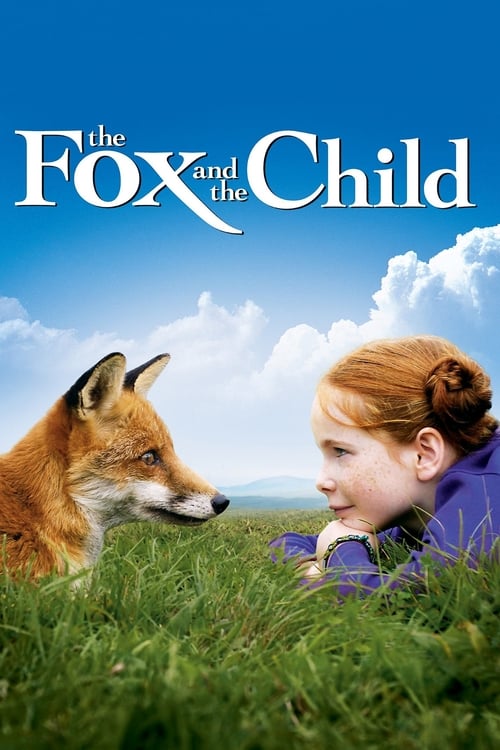
2007

1976
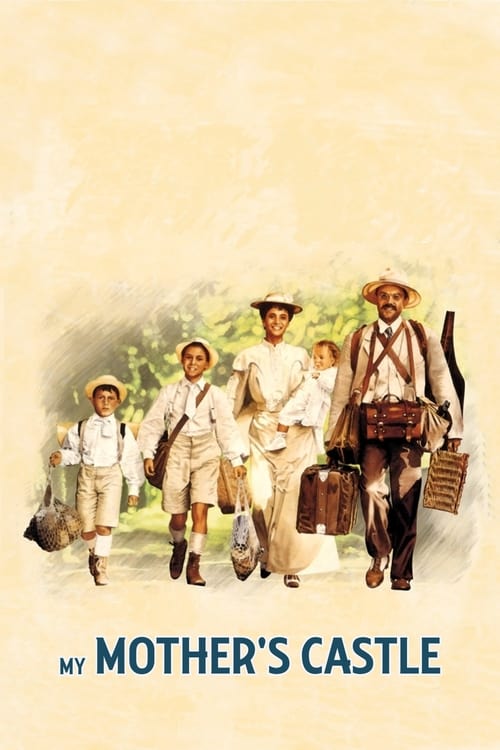
1990
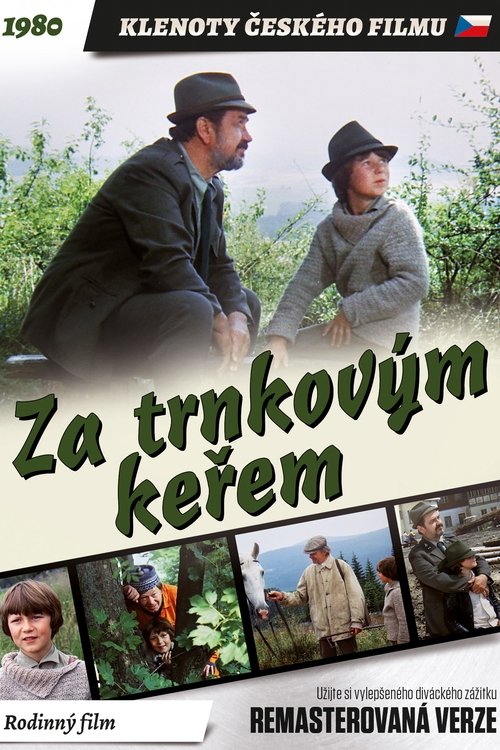
1981
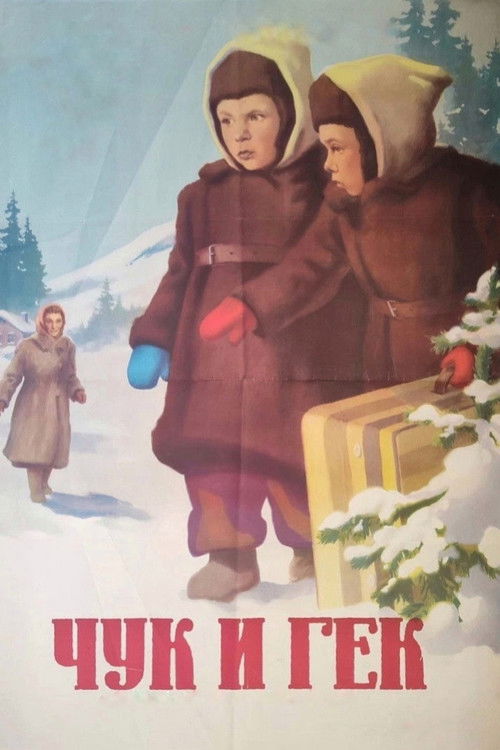
1953
No reviews yet. Be the first to share your thoughts on this movie!
Use the rating form above to leave a star rating and optional review.