
The Ticket
1997
No user ratings available yet
Representation score: 0.8 out of 10
Representation Score
Minimal
2001
RDirector
Jeff Probst
Runtime
100 minutes
Average Rating
No ratings yetNew Showbiz Analysis
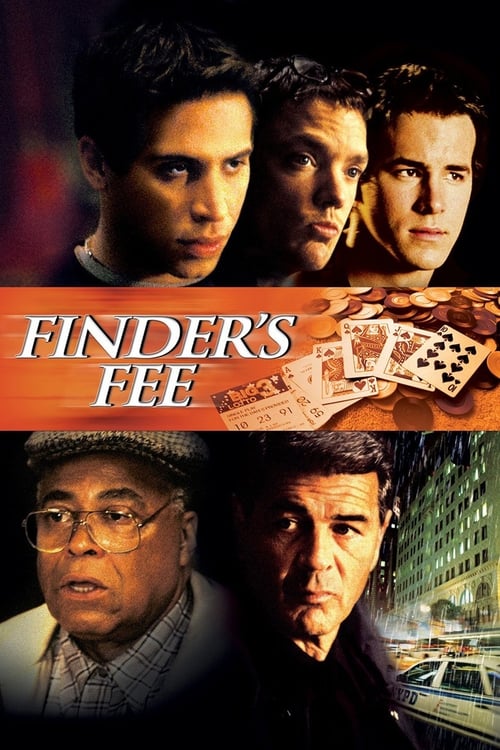
Finder's Fee is a tightly focused character study that emphasizes psychological tension over broader social issues. The narrative architecture centers on a male-centric perspective, examining how sudden wealth affects personal morality. While the film provides a nuanced look at situational ethics and moral ambiguity, it lacks demographic diversity. The story remains confined to a narrow, homogeneous social group without engaging with identity politics or deconstructing social hierarchies. Ultimately, Finder's Fee operates as a traditional thriller, focusing on the tension between personal gain and responsibility within a limited social context.
Category Breakdown
The film does not include any LGBTQ+ characters or non-cisgender identities. The social setting focuses solely on traditional heterosexual relationships, such as a marriage proposal.
The story revolves around a male-dominated social circle, emphasizing masculine camaraderie and competition. Women appear mainly as peripheral romantic interests and have little influence on the plot.
The cast appears relatively uniform, centered on a specific urban, middle-class demographic. There is no diverse representation of different racial or ethnic backgrounds.
The story explores moral relativism through the protagonist's ethical dilemmas. However, it does not critically examine broader social institutions like capitalism or religion.
There is no representation of physical, sensory, or neurodivergent disabilities within the character arcs or plot.
Present on Screen
Limited or Absent
Official Synopsis
Friends Tepper, Quigley, Fishman, and Bolan get together for a weekly poker night with two simple rules: Everyone contributes a lottery ticket to the pot, and no one checks the numbers until the game ends. But this particular, stormy night is different: Tepper plans to propose to his girlfriend, and just before the weekly game, he finds a wallet outside his apartment with a winning lottery ticket worth $6 million. Tepper calls the wallet's owner, Avery, to come collect what's his, but keeps the winning ticket for himself...only for Avery to show up and ask to play a hand.
1997

1989

1991

2000

2001
1998

2005

1994
No reviews yet. Be the first to share your thoughts on this movie!
Use the rating form above to leave a star rating and optional review.