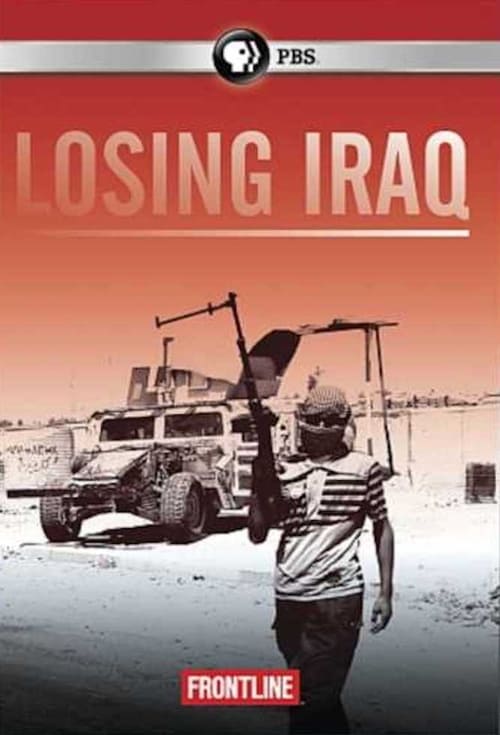
Losing Iraq
2014
No user ratings available yet
Representation score: 7.2 out of 10

Representation Score
Limited
2008
TV-MADirector
Michael Kirk
Runtime
150 minutes
Average Rating
No ratings yetNew Showbiz Analysis
Bush’s War Part I is a journalistic critique of state power rather than a study of identity-based representation. It prioritizes the examination of institutional failures and geopolitical conflicts over demographic diversity. The film's low scores in gender and LGBTQ+ categories reflect its focus on the male-dominated hierarchies of the early 2000s American political apparatus. While it lacks traditional demographic variety, the documentary excels in cultural representation by challenging the perceived infallibility of Western hegemony and providing a systemic critique of state authority.
Category Breakdown
The documentary focuses solely on military and political history without depicting any LGBTQ+ identities or non-traditional gender narratives.
The story centers around a traditional masculine leadership structure where key decision-makers such as George W. Bush and Dick Cheney dominate the political and military spheres.
The film explores Western intervention in the Middle East and Central Asia but often presents non-Western perspectives through the lens of military strategy.
The film challenges patriotic clichés by critically examining the effectiveness of Western institutions. It portrays state institutions as fallible and subject to poor decision-making.
The investigative focus does not address visible or invisible disabilities, nor does it mention neurodivergence or mental health conditions.
Present on Screen
Limited or Absent
Official Synopsis
Frontline examines the war in Iraq and offers an inside look at a number controversies surrounding the war including September 11, al-Qaida, Guantanamo, Abu Ghraid, WMDs, and Fallujah.
2014
2005

2004
2008

2003

2012
2004

2012
No reviews yet. Be the first to share your thoughts on this movie!
Use the rating form above to leave a star rating and optional review.