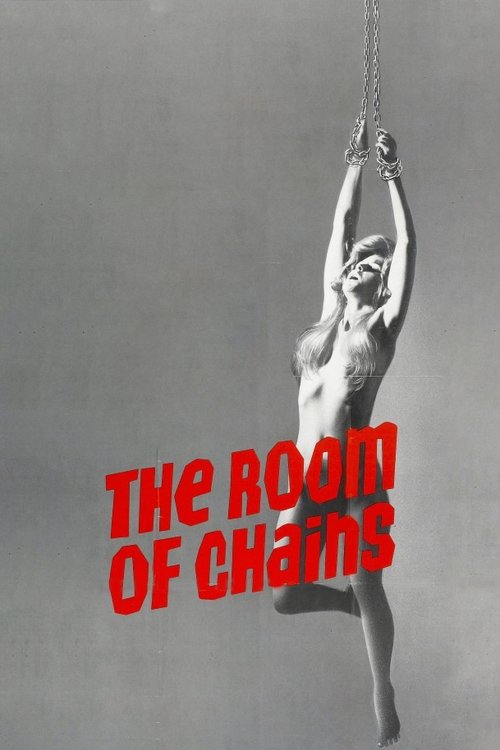
The Room of Chains
1970
No user ratings available yet
Representation score: 0.6 out of 10
Representation Score
Minimal
1973
RDirector
Don Jones
Runtime
86 minutes
Average Rating
No ratings yetNew Showbiz Analysis
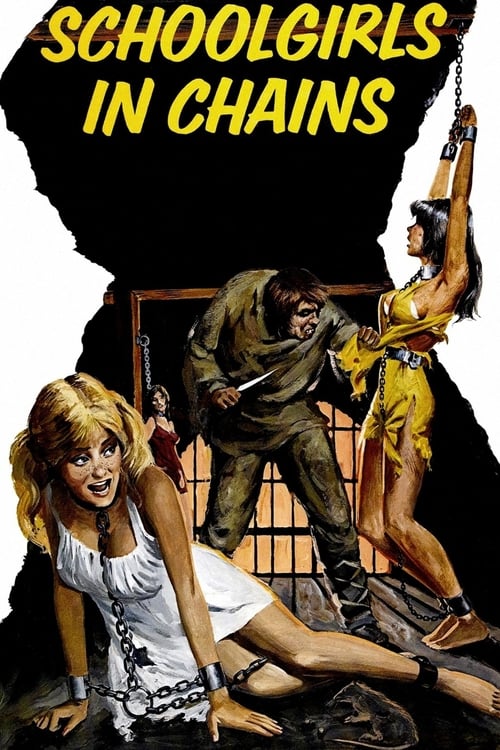
Schoolgirls in Chains is a typical 1970s exploitation horror film that prioritizes shock value over social complexity. The narrative relies heavily on regressive clichés, focusing on the victimization of young women and the depiction of domestic pathology. Rather than offering diverse perspectives, the film reinforces traditional hierarchies. Characters are archetypical of deviance or vulnerability, lacking depth or systemic critiques.
Category Breakdown
The film does not include any LGBTQ+ characters or non-cisgender identities. The story focuses on a predatory dynamic that avoids any queer themes.
Female characters are mostly passive victims of violence. A mother figure exerts dominance, but this is framed through pathological behavior rather than meaningful empowerment.
The film follows the homogeneous casting standards typical of 1970s low-budget horror. There is no indication of a racially or ethnically diverse cast.
The plot centers on individual psychopathy and dysfunctional families. It lacks engagement with broader social issues or any meaningful critique of Western institutions.
Mental instability is used for horror-driven spectacle. There is no nuanced exploration of neurodivergence or physical disabilities.
Limited or Absent
Official Synopsis
Two deranged brothers, who are under the domineering influence of their crazed mother, kidnap young girls and keep them captive in chains in their basement, where they subject them to depraved "games" that often end in torture and murder.
1970

1972

1994

1976

2003

2007
2004

1997
No reviews yet. Be the first to share your thoughts on this movie!
Use the rating form above to leave a star rating and optional review.