
Pin Up Girl
1944
No user ratings available yet
Representation score: 0.4 out of 10
Representation Score
Minimal
1944
ApprovedDirector
Jean Yarbrough
Runtime
65 minutes
Average Rating
No ratings yetNew Showbiz Analysis
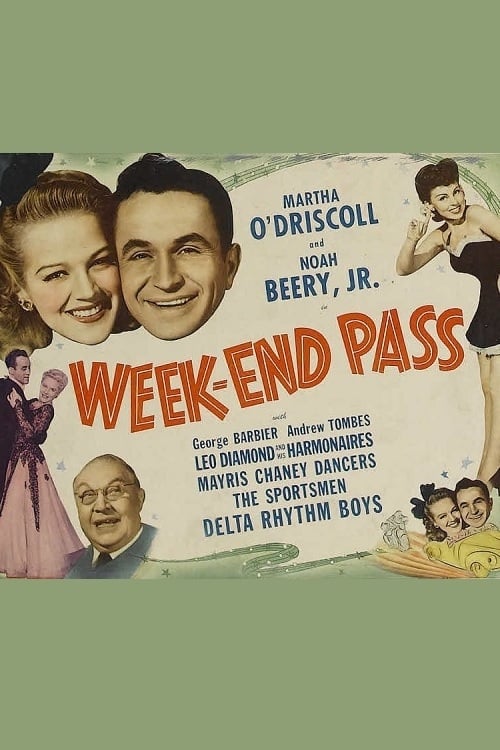
Week-End Pass is a conventional genre piece that adheres to the social and narrative structures of 1940s Hollywood. While the female lead shows individual initiative by seeking service and romantic freedom, the film remains tied to mid-century social norms. The narrative emphasizes individual romance and evades legal authority, avoiding any substantial critique of systemic hierarchies. It operates as a typical wartime romance rather than a subversive work. Overall, the film reflects the mainstream demographic and cultural standards of its time, offering limited diverse representation or social critique.
Category Breakdown
The film centers on a traditional romantic relationship between a woman and a man working in a shipyard. There are no indications of non-traditional gender identities or same-sex relationships.
Babs Bradley asserts herself by trying to join the Women's Army Corps, driven by romance and avoiding authority. Her actions follow typical period conventions.
The setting suggests a typical mid-20th century American environment. The film reflects the homogeneity common in 1940s mainstream cinema.
The plot aligns with wartime patriotism and follows established institutions like the WACs. It upholds social order through a standard crime-romance structure.
There are no visible or invisible disabilities mentioned or central to the character arcs.
Present on Screen
Limited or Absent
Official Synopsis
A run-away socialite "Babs" Bradley (Martha O'Driscoll), using an alias, wants to join the WACs, finds romance with a shipyard worker, Johnny Adams (Noah Beery Jr.), while dodging sheriffs, policemen and others who are searching for her.
1944

1942

1941

1943

1944

1943
1945

1946
No reviews yet. Be the first to share your thoughts on this movie!
Use the rating form above to leave a star rating and optional review.