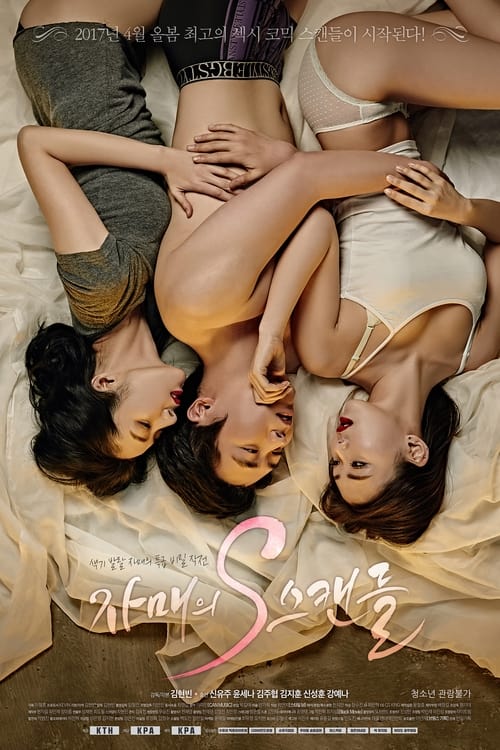
The Sisters S-Scandal
2017
No user ratings available yet
Representation score: 3.6 out of 10
Representation Score
Fair
2020
Runtime
73 minutes
Average Rating
No ratings yetNew Showbiz Analysis
Youngest Sister Class is a high-intensity drama centered on psychological warfare and sibling retribution. It successfully shifts the power dynamic towards female characters, who become the primary drivers of systemic violence and control. This move away from passive female roles is a notable strength. However, the work remains limited by its narrow demographic scope. The narrative operates within a culturally homogeneous and straight-centered framework, offering little representation for LGBTQ+ identities or diverse ethnic backgrounds. The focus is strictly on localized, interpersonal conflict. Additionally, the use of mental health settings as a plot device for confinement raises concerns about the nuanced representation of disability. While the protagonist gains ability to act through her escape, the portrayal leans towards using mental health status as a mechanism for vengeance.
Category Breakdown
The film does not include any LGBTQ+ characters or themes that explore non-straight relationships. It focuses on conventional heterosexual relationships.
The story places significant control in the hands of the female protagonist, challenging traditional gender roles. Male characters are shown as victims of harsh treatment and domestic servitude.
The production appears ethnically homogeneous, focusing on a single cultural framework without incorporating diverse ethnic backgrounds.
The film portrays the family unit as a site of oppression, challenging the ideal of familial sanctity. Revenge is framed as a necessary response to systemic betrayal.
Mental health institutions are used as central settings where characters face suppression. The plot may risk using neurodivergence primarily as a tool for confinement and retribution.
Present on Screen
Limited or Absent
Official Synopsis
Lim Da-yeong, the older sister, intercepted the lover of her younger sister, Lim Da-jeong, who is Yoon Tae-jin. As if this were not enough, Da-yeong imprisoned her younger sister in a mental hospital and lived a happy married life with Tae-jin. Then one day, the Da-jeong escapes from the mental hospital and conspires with helper Jo Yong-hwan, who is her ward friend, to exact cruel revenge on her older sister and her former lover. Both Da-yeong and Tae-jin endure Da-jeong's bloody kidnapping, domesticated slave life and harsh punishments. They look for opportunities to escape with a scary plot in their hearts. What will be the ending for these crazy sisters?
2017

2002
2020

2002
1999
2011
2016

2002
No reviews yet. Be the first to share your thoughts on this movie!
Use the rating form above to leave a star rating and optional review.