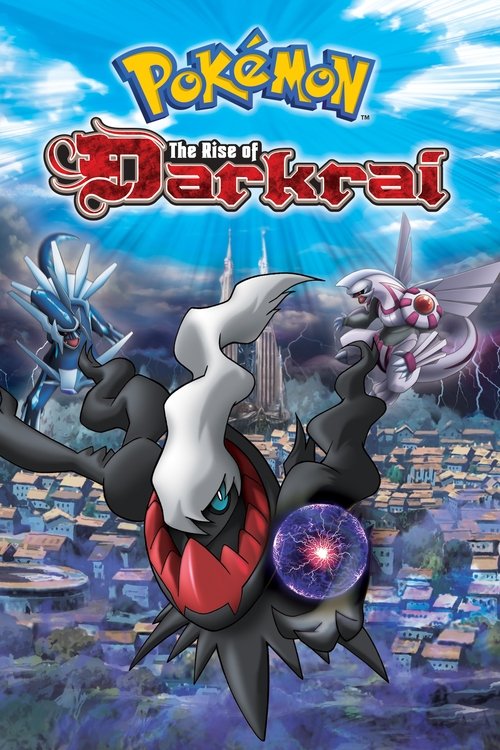
Pokémon: The Rise of Darkrai
2007
No user ratings available yet
Representation score: 3.4 out of 10
Representation Score
Good
2005
PGDirector
Kunihiko Yuyama
Runtime
103 minutes
Average Rating
No ratings yetNew Showbiz Analysis
The film stands out by using its fantastical setting to explore complex themes of environmentalism and sensory adaptation. Lucario’s transition from sight to Aura-based navigation offers a dignified portrayal of disability that avoids common stereotypes. However, the interpersonal dynamics remain quite traditional. The lack of LGBTQ+ representation and the adherence to standard gender archetypes for the human cast limits the film's social range. Ultimately, the movie's strength lies in its critique of industrialism. It successfully frames the conflict as a struggle for cultural and ecological preservation against the tide of modern expansion.
Category Breakdown
The film does not include explicit LGBTQ+ characters or non-cisgender identities. Relationships focus on traditional friendships within a conventional social structure.
Female characters such as May play active roles but mostly fill established supporting roles. The film follows a typical hero's journey without challenging traditional gender hierarchies.
A non-human cast serves as a metaphor for a diverse society. The story explores tensions between isolated ancient cultures and encroaching external forces.
The narrative strongly critiques industrial expansion and technological progress. It emphasizes ecological balance and the sanctity of nature over modernization.
Lucario’s reliance on Aura after losing his sight provides a nuanced depiction of sensory adaptation. This adaptation is integrated into his identity and leadership rather than being treated as a weakness.
Present on Screen
Limited or Absent
Official Synopsis
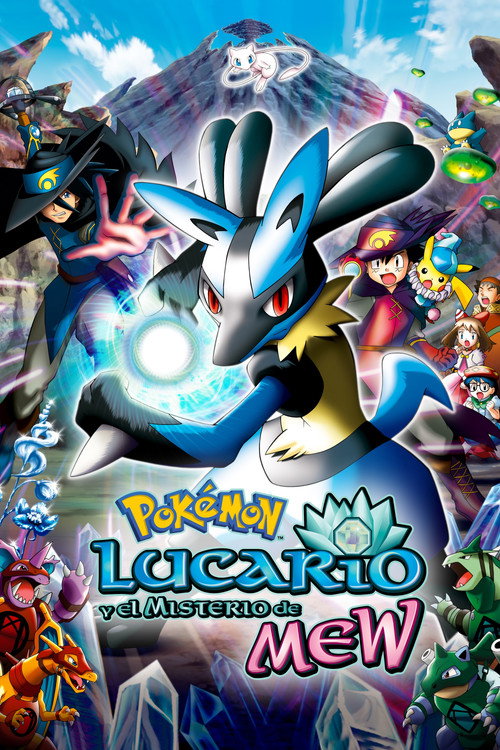
In the legendary past, before Poké Balls were invented, an aura-guiding hero Pokémon named Lucario sensed two groups of armies about to clash, and a threat of a massive war in front of Oldoran Castle in Kanto that would leave no survivors. He transferred this message to his master, the legendary hero Arlon, while he was being attacked by a violent group of Hellgar. During the battle, his sense of sight was lost and he was rendered unable to see. He used the detection of his Aura, and so with the offensive Wave Bomb, he eliminated them. Though by the threat, the queen of Rota, Lady Rin was resolute to die with her civilians, and so Arlon made a choice.
2007
2009
2013
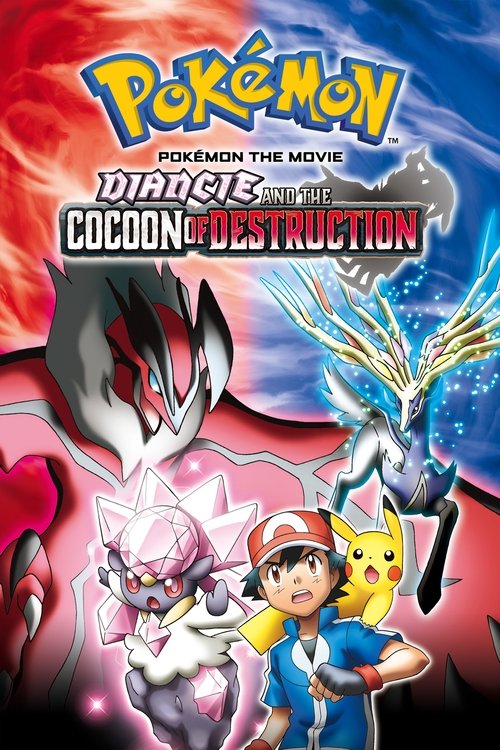
2014
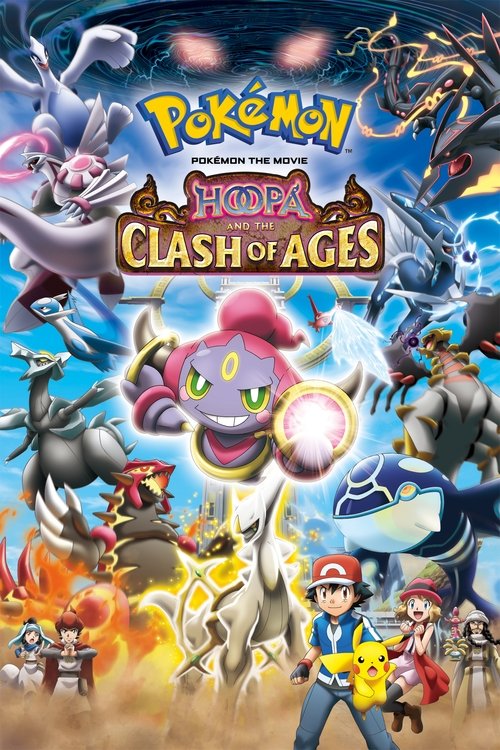
2015

2008
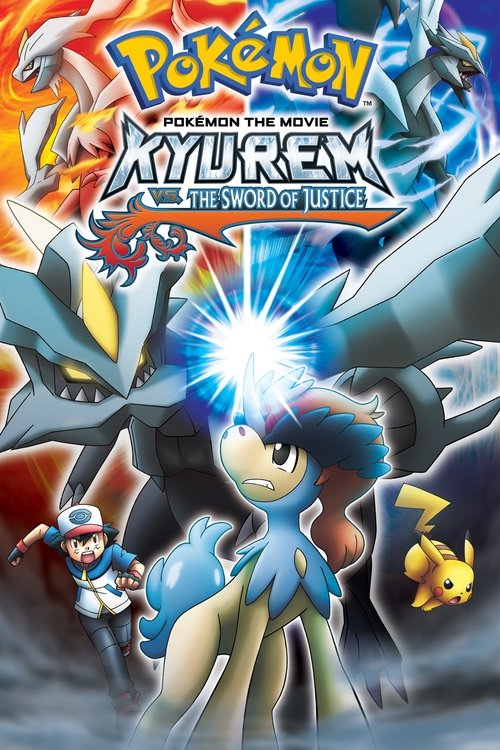
2012
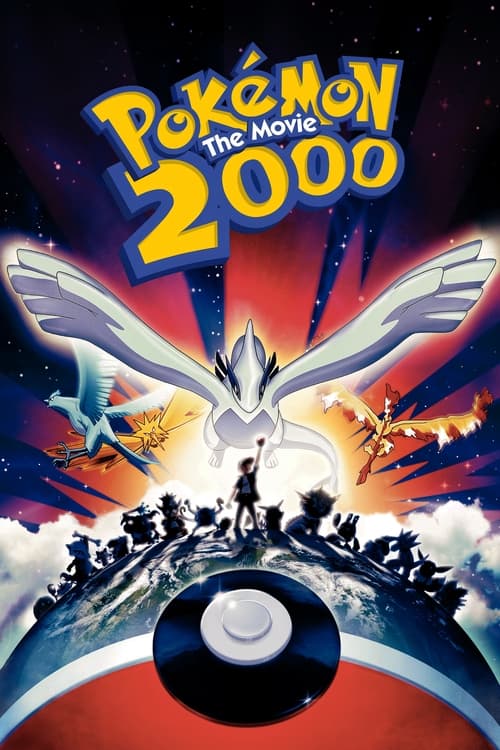
1999
No reviews yet. Be the first to share your thoughts on this movie!
Use the rating form above to leave a star rating and optional review.