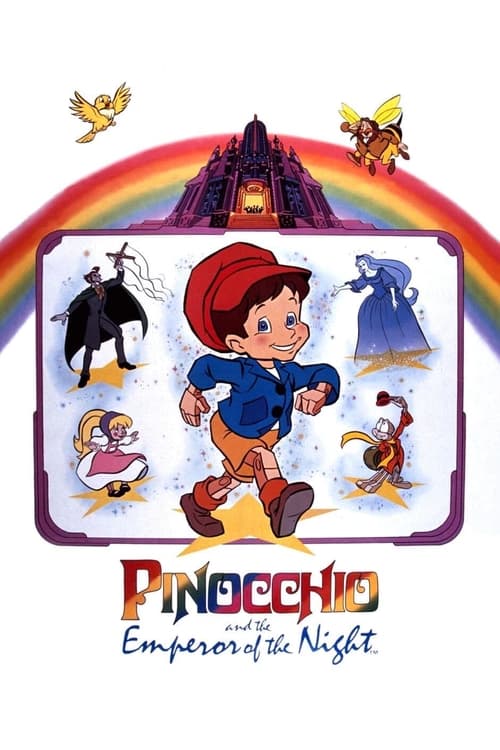
Pinocchio and the Emperor of the Night
1987
No user ratings available yet
Representation score: 0.8 out of 10
Representation Score
Minimal
1970
Director
Serge Danot
Runtime
85 minutes
Average Rating
No ratings yetNew Showbiz Analysis
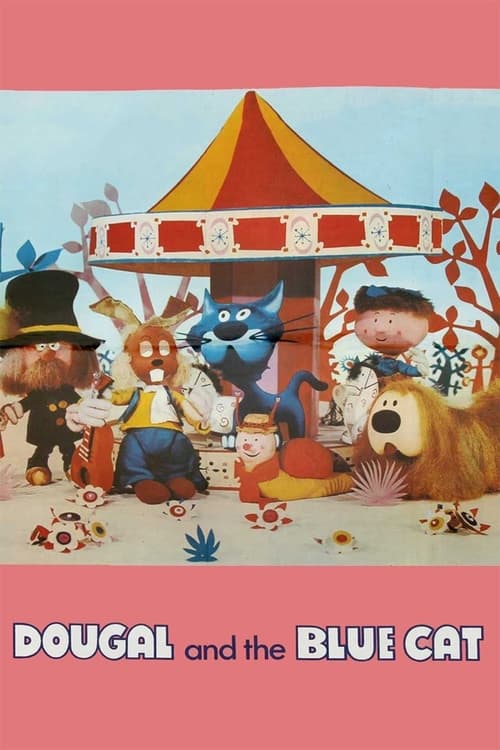
Dougal and the Blue Cat functions as a surrealist subversion of the established Magic Roundabout hierarchy. The plot focuses on a displacement of power where the protagonist, Buxton, disrupts the social order of the Magic Garden to establish a new monarchy. While the narrative explores the volatility of leadership and the deconstruction of character roles, it does not engage with systemic identity-based hierarchies. The film prioritizes whimsical adventure over progressive social commentary. Ultimately, the work serves as a disruption of a narrative status quo rather than a vehicle for characters who reflect more than one aspect of diversity.
Category Breakdown
The film does not include any characters with LGBTQ+ identities or same-sex relationships. The story focuses on power struggles and puzzles involving colors.
The story centers around male characters, particularly Buxton and Zebedee. A female voice provides guidance, but the film does not challenge traditional gender hierarchies.
As an animated world featuring anthropomorphic animals, traditional measures of race are hard to apply. The cast functions as a homogeneous group within its ecosystem.
The film explores moral relativism by presenting theft and imprisonment as steps toward kingship. It operates within a traditional whimsical fantasy structure.
There is no evidence of characters with visible or invisible disabilities. The context provides no indication of neurodivergent representation.
Present on Screen
Limited or Absent
Official Synopsis
A blue cat named Buxton is found in the Magic Garden. With help from the Blue voice (played by Fenella Fielding), Buxton enters the ruins of the old treacle factory where he is crowned king after correctly identifying the colours of seven doors (coloured different shades of blue). Buxton throws all the characters of The Magic Roundabout except Dougal into prison and steals Zebedee's magic moustache.
1987
1980
1965
1968
1967
1982
1973
1951
No reviews yet. Be the first to share your thoughts on this movie!
Use the rating form above to leave a star rating and optional review.