
Creatura
2023
No user ratings available yet
Representation score: 8.4 out of 10

Representation Score
Fair
2016
Director
Sebastián Brahm
Runtime
94 minutes
Average Rating
No ratings yetNew Showbiz Analysis
Sebastián Brahm’s drama is a minimalist character study that prioritizes psychological and metaphysical inquiry over broader social issues. The film excels in its nuanced portrayal of female autonomy and challenges traditional gender roles. However, it remains narrow in its demographic scope, lacking multi-layered depth and offering limited representation of LGBTQ+ identities, diverse racial backgrounds, or nuanced disability narratives.
Category Breakdown
The film focuses on conventional romantic relationships and does not include any queer narratives or non-cisgender identities.
The film centers on a woman's autonomy and her choices regarding her own desires and reproductive rights, challenging traditional gender roles.
The setting is relatively homogeneous, with a lack of diverse racial or ethnic backgrounds. The film avoids harmful stereotypes but does not delve into multi-layered identities.
The story emphasizes secular, existential themes and explores the domestic sphere through a lens of isolation, without engaging with specific cultural or religious institutions.
A neurological injury serves as a plot device but does not explore the nuances of neurodivergence or physical disabilities.
Present on Screen
Limited or Absent
Official Synopsis
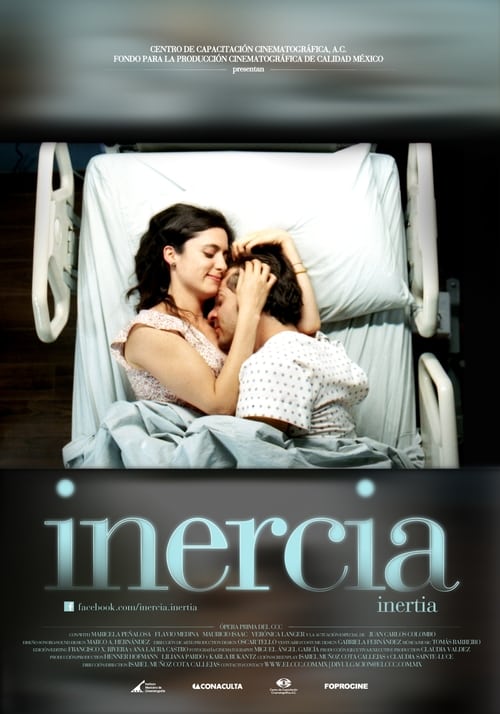
After a head injury makes a dimwit stranger out Barbara's beloved Guille, she ceases to feel desire for him. Nearing 35, and longing for motherhood, she settles with a new partner, while the memory of lost love harrows her.
2023

2022
2008

2004
2013

2023

2014

2017
No reviews yet. Be the first to share your thoughts on this movie!
Use the rating form above to leave a star rating and optional review.