
Good Luck
2014
No user ratings available yet
Representation score: 8.4 out of 10

Representation Score
Good
2013
Director
Isabel Muñoz
Runtime
100 minutes
Average Rating
No ratings yetNew Showbiz Analysis
Inertia is a character-driven drama that prioritizes emotional realism and female empowerment. It provides a nuanced, non-Western perspective on intimacy and responsibility through its specific cultural setting. The film challenges traditional clichés by positioning the female protagonist as the architect of the emotional resolution. It avoids the 'damsel in distress' archetype, focusing instead on the complexities of caregiving. While the film does not explicitly address multi-layered issues or radical identity politics, it offers a sophisticated study of interpersonal connections. It remains a focused, psychological exploration of human inertia.
Category Breakdown
The story revolves around the renewed relationship between two former partners. It follows a conventional storyline centered on straight relationships without clear signs of LGBTQ themes or non-traditional gender identities.
Lucia is the main character and caregiver in the film. She drives the narrative and showcases emotional strength during a medical crisis, avoiding clichéd male-centric stories and highlighting female autonomy.
Set in Mexico City, the film presents a realistic Latin American perspective. It offers authentic regional depth by moving away from a homogenous, Western-centric viewpoint.
The narrative emphasizes human connections and the fragility of health within a secular, realist framework. It prioritizes personal, psychological drama over religious or institutional doctrine.
A kidney ailment serves as the catalyst for the plot. While the character loses some physical independence due to illness, the film focuses on interpersonal dynamics rather than turning the illness into a spectacle.
Present on Screen
Limited or Absent
Official Synopsis
The minute Lucia hears the news that her ex-boyfriend Felipe was admitted to a hospital, she rushed herself to meet him. As Felipe was found to be in a critical condition, Lucia makes up her mind to nurse him, but soon realizes the unresolved feelings she had for him.
2014

2012

2009

2023

2008
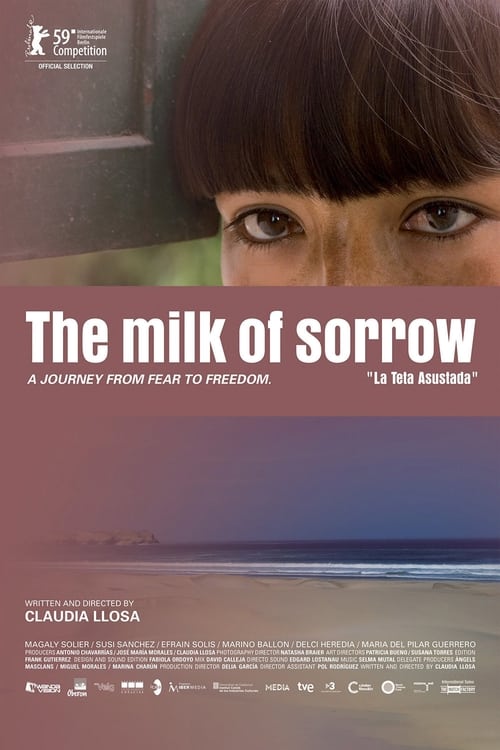
2009

2024

2014
No reviews yet. Be the first to share your thoughts on this movie!
Use the rating form above to leave a star rating and optional review.