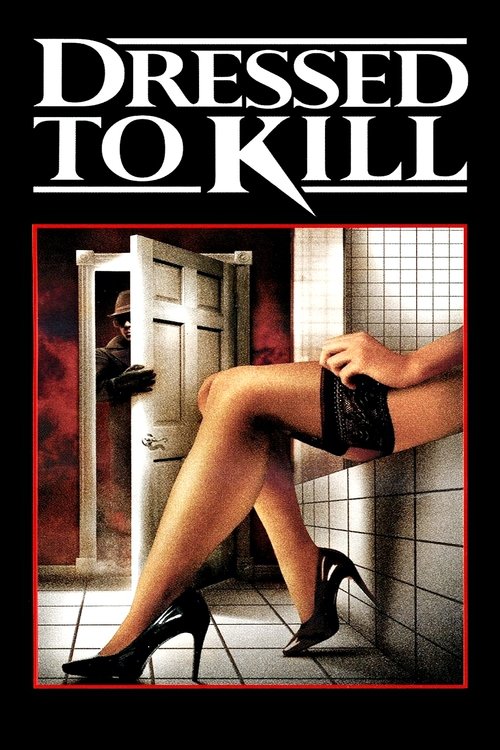
Dressed to Kill
1980
No user ratings available yet
Representation score: 5.8 out of 10
Representation Score
Fair
1990
RDirector
Kathryn Bigelow
Runtime
102 minutes
Average Rating
No ratings yetNew Showbiz Analysis
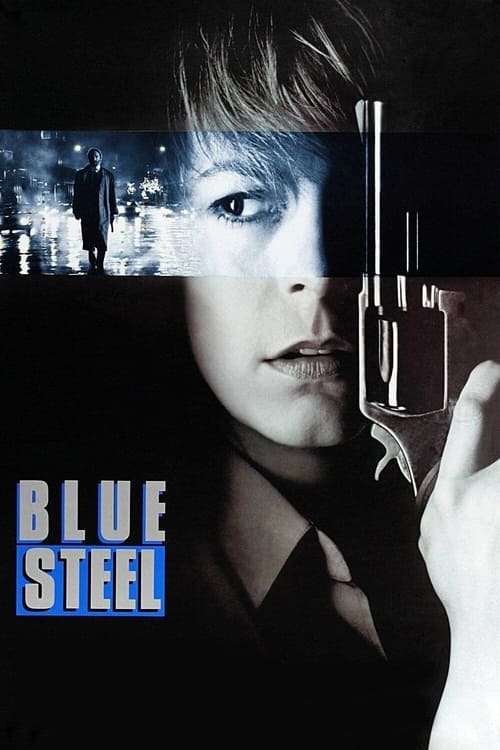
Kathryn Bigelow delivers a thriller that subverts the traditional action hero archetype by centering on a female protagonist's psychological and professional survival. The film excels at dismantling gendered power dynamics, replacing the 'damsel' cliché with a character defined by her own choices and instability. However, the film's impact is limited by a lack of racial and LGBTQ+ diversity. The narrative remains centered on a white, straight-centered framework, missing opportunities for broader characters who reflect more than one aspect of diversity within its urban setting. Ultimately, the film is a sophisticated study of moral ambiguity. It trades easy resolutions for a postmodern look at subjective truth and the systemic pressures facing law enforcement.
Category Breakdown
The film does not include any LGBTQ+ characters or same-sex relationships. The interpersonal dynamics remain strictly focused on heterosexual relationships without exploring diverse gender identities.
Megan Turner challenges traditional hierarchies by serving as a powerful authority figure. The plot prioritizes her professional autonomy and survival over domestic subplots.
The cast is relatively homogeneous, focusing on white protagonists. While the urban setting feels gritty, the narrative lacks significant minority representation or multi-layered depth.
The story embraces moral relativism and deconstructs the heroic image of law enforcement. It explores the systemic pressures and psychological fractures within the institution.
Mental health and psychological trauma drive the narrative. The film treats neurodivergence and trauma as complex elements of character's ability to drive the story rather than sources of mockery.
Present on Screen
Limited or Absent
Official Synopsis
Rookie cop Megan Turner orders a burglar to drop his gun. He whirls to shoot. Too late. Turner fires, killing him instantly. When someone lifts the assailant's gun from the crime scene, the police hold Turner accountable for killing an unarmed man. That same someone carves Turner's name into the bullets and uses them in a series of murders. Turner teams up with detective Nick Mann to clear her name and catch the killer. But she is drawn into a deadly game of wits with a psychopath who's always one step ahead… and much closer than she thinks!
1980
1971
1983

1987
1992
1981
1990
1984
No reviews yet. Be the first to share your thoughts on this movie!
Use the rating form above to leave a star rating and optional review.