Slava Ukraini
2023
No user ratings available yet
Diversity score: 5.5 out of 10
2018
PGDirector
Sareen Hairabedian
Runtime
40 minutes
Average Rating
No ratings yetSynopsis
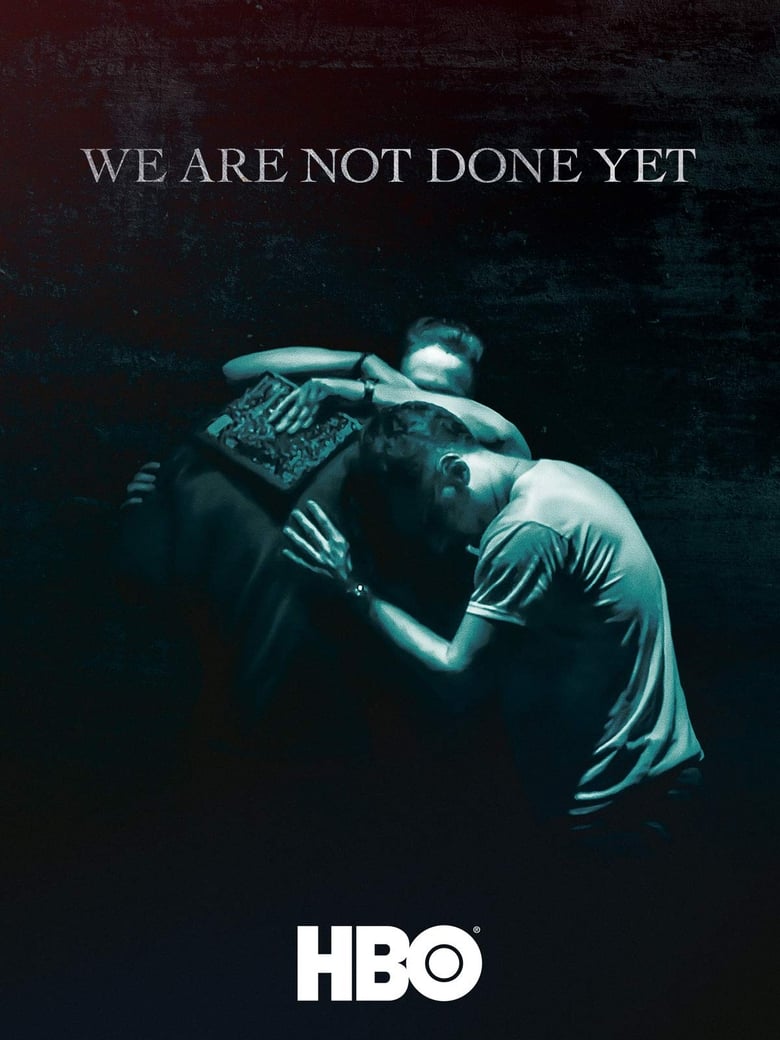
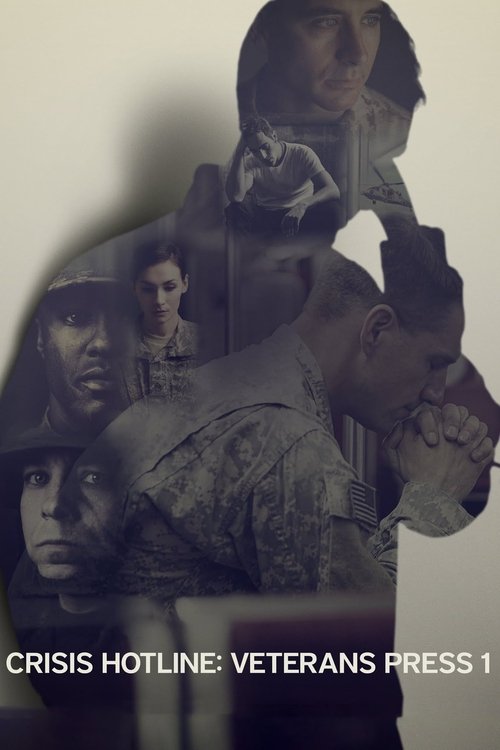
Follows veterans and active-duty service members from varied backgrounds who come together to combat their traumas through the written word in a USO-sponsored arts workshop at Walter Reed National Military Hospital.
Overall Score
Fair
Category Breakdown
LGBTQ+ Representation
The film focuses on shared military trauma rather than specific non-cisnormative identities. While the workshop setting suggests a baseline of tolerance, LGBTQ+ representation is not a primary narrative driver.
Gender Representation
The documentary avoids traditional combat-centric masculinity by emphasizing emotional vulnerability. It centers on the intellectual agency of service members, though it lacks explicit evidence of gender-based subversion.
Racial & Ethnic Diversity
A multi-ethnic cast is implied through the mention of varied backgrounds within a national military hospital. The use of personal writing allows diverse cultural perspectives to drive the narrative.
Religious & Cultural Diversity
The film explores the tension between Western military institutions and individual psychological truths. It prioritizes the messy process of healing over rigid, institutional morality or singular cultural perspectives.
Disability Representation
Participants are granted significant agency while navigating invisible disabilities like PTSD. The film treats neurodivergent processing with sophistication, avoiding tropes by framing veterans as active creators through writing.
Strengths
Areas for Improvement
AI Analysis
Sareen Hairabedian’s documentary disrupts conventional military portraiture by replacing archetypes of physical strength with nuanced explorations of psychological resilience. By centering on an arts workshop, the film shifts the focus from institutional stoicism to the internal, subjective realities of trauma recovery. The film succeeds in providing agency to those with invisible disabilities, using the written word to facilitate a sophisticated portrayal of mental health. This approach avoids reductive tropes, instead treating the veterans as intellectual agents of their own healing processes. However, the narrative does not aggressively deconstruct Western institutions or explicitly highlight specific LGBTQ+ or gender-based identities. The diversity is present through the varied backgrounds of the participants, but it remains secondary to the universal theme of trauma.
2023
2019
2023

1988
2015
2013
2021
2018
2011
2015

2024
2022
No reviews yet. Be the first to share your thoughts on this movie!
Use the rating form above to leave a star rating and optional review.