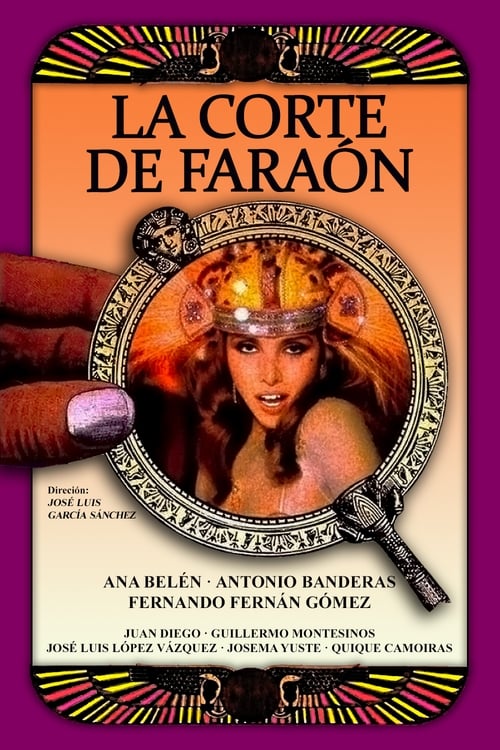
The Court of the Pharaoh
1985
No user ratings available yet
Representation score: 5.0 out of 10
Representation Score
Good
2020
Director
Nacho Álvarez
Runtime
116 minutes
Average Rating
No ratings yetNew Showbiz Analysis
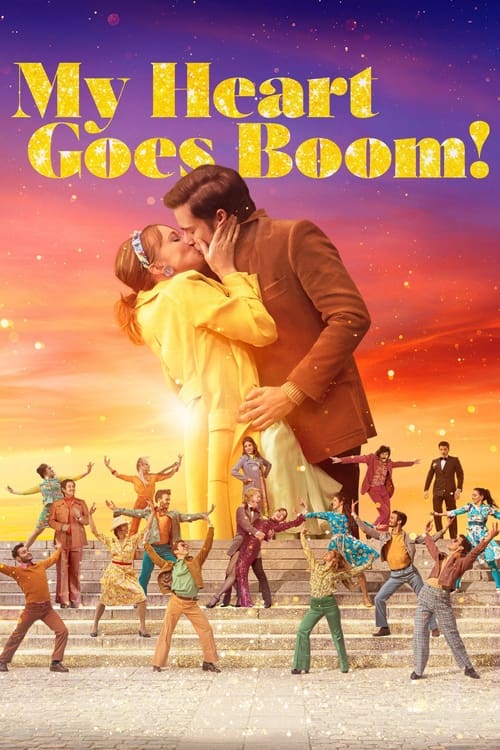
My Heart Goes Boom! is a vibrant reclamation of personal freedom set against the grey repression of 1970s Spain. It succeeds by framing pop culture and dance not just as entertainment, but as essential tools for social defiance and personal liberation. The film excels in its portrayal of female ambition and its critique of traditionalist institutions. By centering on María's pursuit of stardom, the story challenges the era's restrictive social codes and celebrates individual joy over institutional dogma. While the historical setting limits racial diversity, the inclusion of international cultural influences prevents the film from feeling insular. It effectively uses the tension between a monochromatic regime and a colorful protagonist to drive its progressive themes.
Category Breakdown
The film challenges the 1970s assumption that everyone is straight or cisgender by linking the protagonist's personal freedom to exploring their identity. It criticizes the era's strict sexual norms through themes of bodily autonomy.
María serves as a strong driver of her own destiny, defying the submissive roles expected under a dictatorship. The story emphasizes female ambition and self-actualization over domestic stability.
Set in a homogeneous Francoist Spain, the film lacks significant racial diversity. However, international pop influences provide a cosmopolitan perspective that challenges the regime's insular culture.
The narrative offers a sophisticated critique of oppressive state and religious institutions. It celebrates the dismantling of a rigid social order through pop escapism and anti-authoritarian sentiment.
There are no prominent depictions of visible or invisible disabilities within the narrative.
Present on Screen
Limited or Absent
Official Synopsis
Spain, 1970s. While a cruel dictatorship rules an eternally grey country through fear, violence, repression and censorship, María, a young dancer, dreams of bringing bright colours into her life and the lives of others, as she makes her way towards personal freedom and pursues her crazy dream of becoming a TV star; a very funny journey in which she will be comforted by the pop songs of the incomparable Italian singer and dancer Raffaella Carrà.
1985
1998
2000
2016
1969
1970
1971
1978
No reviews yet. Be the first to share your thoughts on this movie!
Use the rating form above to leave a star rating and optional review.