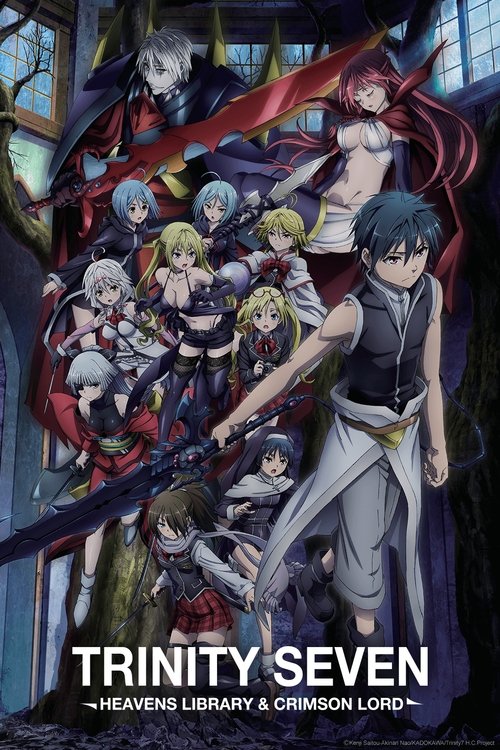
Trinity Seven: Heaven's Library & Crimson Lord
2019
No user ratings available yet
Diversity score: 3.0 out of 10

2011
Director
Takashi Otsuka
Runtime
70 minutes
Average Rating
No ratings yetSynopsis
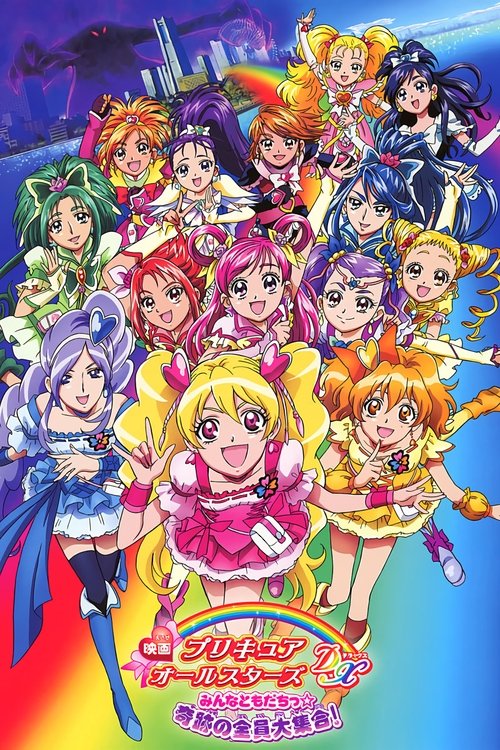
Precure All Stars Movie DX3: Deliver The Future! The Rainbow-Colored Flower That Connects The World is the third movie in the series, released on March 19, 2011, starring all the Cures from the previous series, including those introduced in Suite PreCure, as well as various villains featured in previous Pretty Cure movies. The theatrical release was edited in parts as a result of the 2011 Sendai earthquake and tsunami which occurred before the movie was due to be released.
Overall Score
Fair
Category Breakdown
LGBTQ+ Representation
The film emphasizes deep emotional bonds and communal solidarity among its female ensemble. However, it lacks explicit depictions of non-cisnormative identities or same-sex romance, sticking to conventional friendship archetypes.
Gender Representation
This film subverts traditional hierarchies by centering high-stakes cosmic conflict entirely on female protagonists. The characters demonstrate immense physical strength and tactical intellect, removing the damsel in distress trope completely.
Racial & Ethnic Diversity
The cast is predominantly homogeneous, reflecting its Japanese animation roots. While characters use diverse color-coded archetypes for visual variety, the story does not engage with intersectional racial or ethnic themes.
Religious & Cultural Diversity
The narrative follows a traditional moral framework focused on the triumph of light over darkness. It reinforces a cohesive, communal morality rather than critiquing specific social or political structures.
Disability Representation
There is no prominent focus on visible or invisible disabilities. Characters are presented through idealized magical girl archetypes that do not address neurodivergence or physical disability as central themes.
Strengths
Areas for Improvement
AI Analysis
The film serves as a powerful example of gender-centric narrative architecture. By positioning a massive collective of young women as the primary architects of global stability, it effectively deconstructs the idea that martial prowess is a masculine domain. However, the work remains within the stylistic and cultural boundaries of its genre. The lack of explicit LGBTQ+ identifiers and intersectional racial representation prevents a higher score, as the narrative adheres to traditional moral binaries. Ultimately, while it excels in female agency, the film's scope is limited by its homogeneous cultural context and its focus on universalist themes rather than subversive social critiques.
2019

2013

2014

2014

2013

2010
2009
No reviews yet. Be the first to share your thoughts on this movie!
Use the rating form above to leave a star rating and optional review.