The Summit
2013
No user ratings available yet
Representation score: 4.3 out of 10
Representation Score
Fair
2008
Director
Jennifer Peedom
Runtime
52 minutes
Average Rating
No ratings yetNew Showbiz Analysis
Miracle on Everest disrupts the typical 'Western explorer' narrative by highlighting the Sherpa community as key players in survival scenarios. Instead of relegating indigenous climbers to secondary roles, the film emphasizes their expertise and influence. However, the documentary maintains a traditional gender structure, with a focus on male-dominated mountaineering that limits female involvement in the central survival storyline. Overall, the film serves as a nuanced critique of the commercialization of expeditions. It delves into the tension between wealthy Western clients and the local guides who face the human costs of high-altitude commercial activities.
Category Breakdown
The documentary focuses solely on the physical challenges of a high-altitude survival mission and does not include any LGBTQ+ characters or narratives about non-straight relationships.
The story centers around a traditionally masculine environment, primarily featuring male climbers and guides. Female characters play a minor role in the central survival narrative, reflecting the demographics of the time.
The documentary highlights the Sherpa community, emphasizing their crucial role in the survival of the main character. It showcases their expertise and control in critical decision-making situations.
The film explores the power dynamics and economic disparities within the commercialized guide industry. It critiques the capitalist emphasis on individual Western success over the well-being of local guides and overall safety.
The film provides a detailed examination of acute neurological damage due to low oxygen levels. It portrays Lincoln Hall’s cognitive decline seriously, focusing on the biological impact of his condition.
Present on Screen
Limited or Absent
Official Synopsis
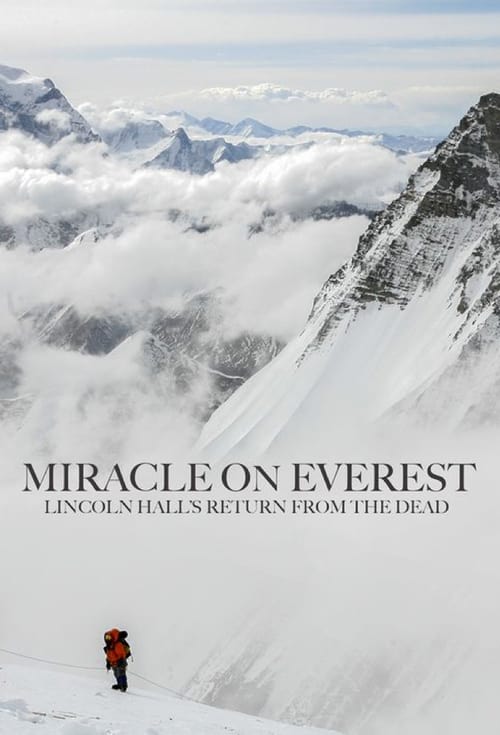
2006 was one of the deadliest Everest seasons on record. Experienced mountaineer Lincoln Hall was invited to join an expedition as a high altitude cameraman. It was his second attempt to summit the mountain, having turned back just short 22 years earlier. Shortly after reaching the summit, Hall began to behave irrationally, suffering from lack of oxygen. Aided by his loyal Sherpas for over 9 hours, he eventually collapsed and they declared him dead. His family were informed and the news hit headlines. But something happened that night that science cannot explain. The next morning Lincoln Hall was found alive by approaching climbers and his dramatic rescue began. Never before has a man been declared dead so high on Everest and survived. This is the remarkable true story of Lincoln Hall’s extraordinary journey back from beyond.
2013
2019

2012
2003
2012

2015

2016
2021
No reviews yet. Be the first to share your thoughts on this movie!
Use the rating form above to leave a star rating and optional review.