Serial Killing 101
1998
No user ratings available yet
Representation score: 6.1 out of 10
Representation Score
Limited
2010
Not RatedDirector
Ford Austin
Runtime
90 minutes
Average Rating
No ratings yetNew Showbiz Analysis
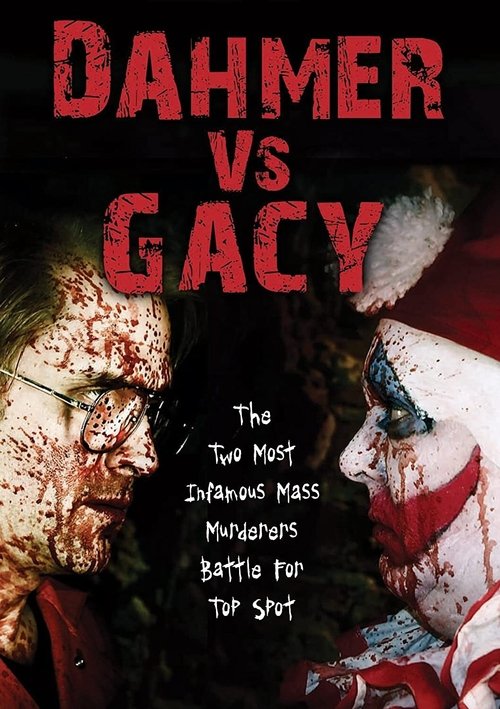
Dahmer vs. Gacy operates as a genre-driven exploitation piece that prioritizes shock value and absurdist clichés over meaningful depth. It relies heavily on established true-crime personas to drive its horror-comedy premise. The film's structure is built on hyper-masculine archetypes and individualistic violence. While it introduces non-Western elements through ninjas and satirical religious themes, these elements function more as stylistic shorthand than meaningful representation. Ultimately, the work lacks the intentionality required for progressive character development. It favors the use of controversial identities and cultural clichés to serve its nihilistic, high-octane narrative.
Category Breakdown
The film uses the identities of Jeffrey Dahmer and John Wayne Gacy as horror archetypes. These figures are used for genre purposes rather than exploring nuanced LGBTQ+ identities.
The narrative centers on hyper-male clichés such as the 'hick warrior' and maniacal killers. Male characters hold ability to act, with no female presence in the central conflict.
An army of Japanese ninjas introduces non-Western elements into the plot. However, these characters risk serving as cultural shorthand rather than providing deep ethnic representation.
The film offers a satirical take on religion through a protagonist trained by God. It uses a secret government lab to deconstruct authority through chaos.
There is no mention of characters with visible or invisible disabilities. No representation in this category is discernible from the narrative.
Present on Screen
Limited or Absent
Official Synopsis
A secret government lab run by Dr. Hess (Art LaFleur) has been trying to create the ultimate killer using the DNA of infamous killers Jeffrey Dahmer (Ford Austin) and John Wayne Gacy (Randal Malone), but there’s one big problem: they’ve escaped! Bloody mayhem stretches across the United States as they go on the ultimate killing spree. Trying to stop the maniacal madness is Ringo (Ford Austin), a hick warrior being trained by God (Harland Williams), using only a shotgun and a bottle of whiskey. In his road trip to hell, he must first fight off his own demons, not to mention an army of Japanese ninjas and a Super-serial killer (Ethan Phillips)! It all leads up to the ultimate showdown!
1998
1986
1997
2021

2013

2004
1997
2006
No reviews yet. Be the first to share your thoughts on this movie!
Use the rating form above to leave a star rating and optional review.