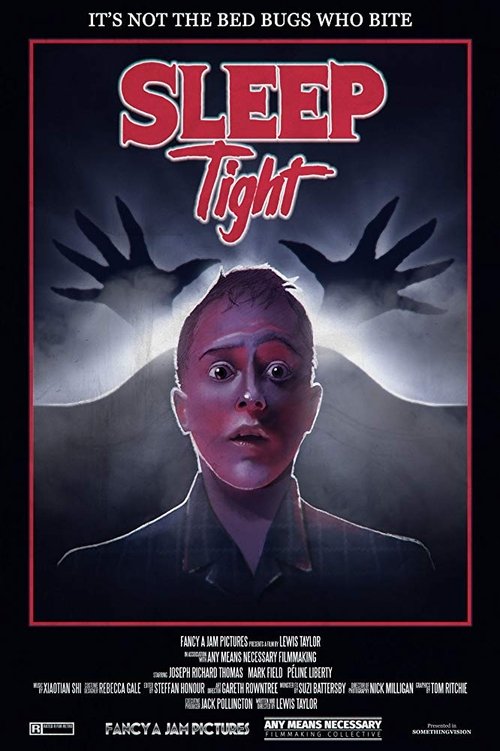
Sleep Tight
2019
No user ratings available yet
Representation score: 3.8 out of 10

Representation Score
Limited
1993
PG-13Director
Jeremy Stanford
Runtime
85 minutes
Average Rating
No ratings yetNew Showbiz Analysis
Stepmonster adheres to the standard genre clichés of the early 1990s, emphasizing a traditional domestic conflict. The story follows a hero-versus-monster dynamic that lacks complexity in addressing social issues. By focusing on the protection of a singular family hierarchy, the film avoids progressive storytelling in favor of a standard horror-comedy structure. Ultimately, the film lacks visible diversity across most categories, presenting a narrow view of family and social dynamics.
Category Breakdown
The film focuses on a traditional nuclear family going through a remarriage. There are no non-binary gender identities or same-sex relationships shown in the story.
The story uses a horror cliché where the stepmother is portrayed as a threatening antagonist. While it challenges the nurturing mother stereotype, it does so through fear rather than empowering the female character.
The narrative lacks indications of a multi-ethnic cast or diverse racial perspectives. The setting seems to be a conventional, likely homogeneous neighborhood typical of 1990s genre cinema.
The plot centers on protecting a traditional family unit against an external threat. It aligns with traditionalist views of domestic stability rather than offering secular or anti-Western themes.
The film does not feature characters with visible or invisible disabilities. No neurodivergence or chronic illness is identified in the narrative.
Present on Screen
Limited or Absent
Official Synopsis
Todd Dougherty has an imagination driven by comic books. So when he accuses his soon-to-be stepmother of being a monster, no one believes him. When neighbors start turning up dead, it becomes a race against time for Todd to stop this hideous, carnivorous creature from marrying his dad and ruining his life.
2019
1999
1988
1967
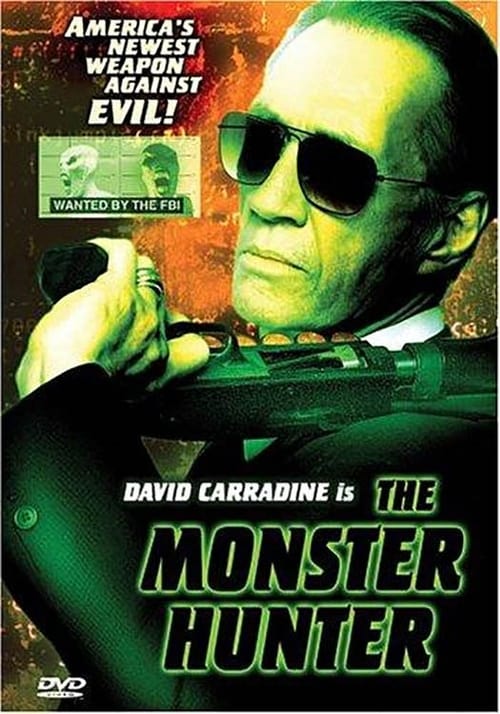
1999
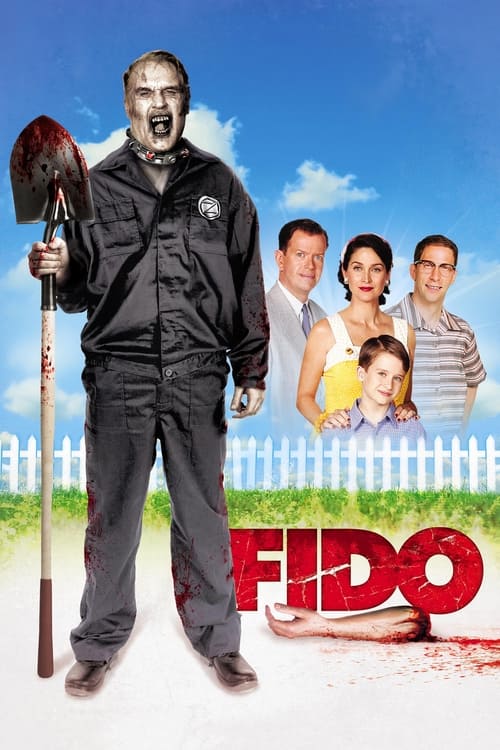
2006
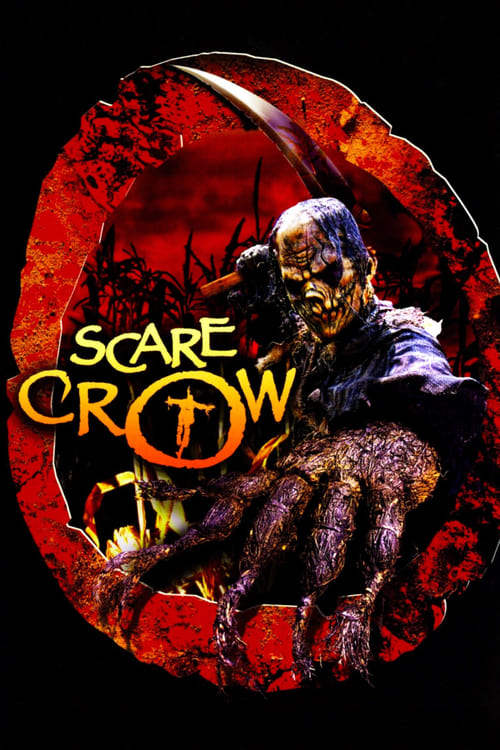
2002
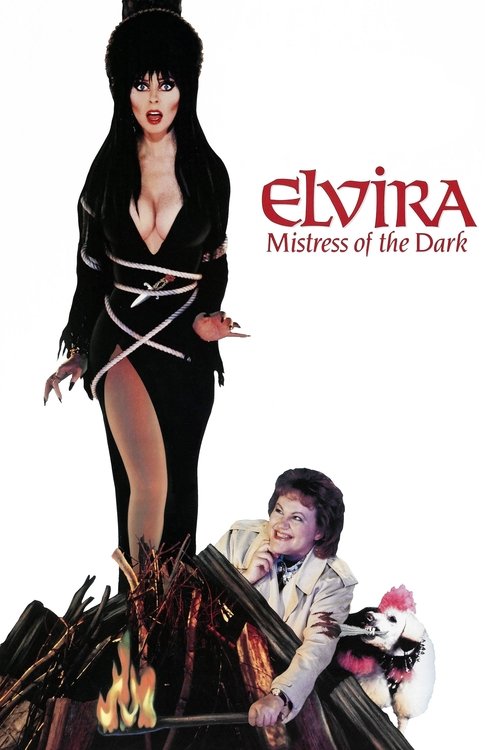
1988
No reviews yet. Be the first to share your thoughts on this movie!
Use the rating form above to leave a star rating and optional review.