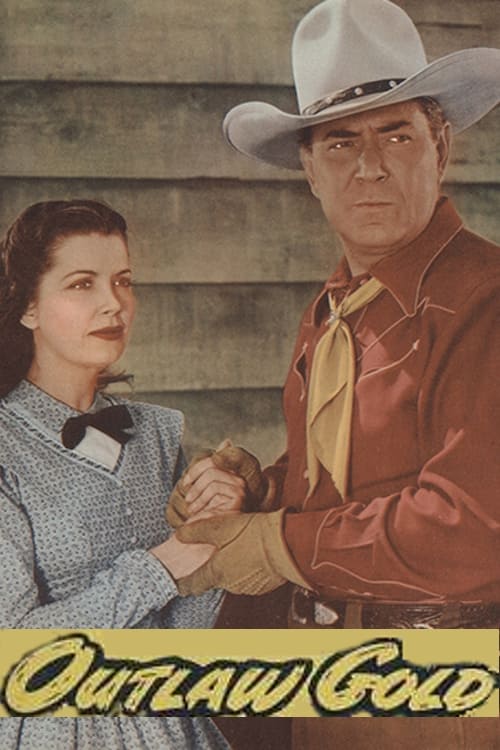
Outlaw Gold
1950
No user ratings available yet
Representation score: 1.7 out of 10

Representation Score
Minimal
1950
NRDirector
George Archainbaud
Runtime
60 minutes
Average Rating
No ratings yetNew Showbiz Analysis
Border Treasure opens on the sun-bleached desolation of the Mexican-American border, a space where the camera immediately establishes a binary between American order and foreign chaos. The film’s argument is straightforward: the white, clean-cut hero, Ed Porter (Tim Holt), is the only force capable of restoring justice in a lawless landscape. The "treasure" at stake—donated to earthquake victims in Mexico—serves as a moral prop, allowing the narrative to frame American intervention as benevolent rather than imperial. The camera lingers on Holt’s determined face, treating his physical competence and moral clarity as the natural antidote to the border’s perceived disorder. The film’s internal logic, however, relies on the erasure of Mexican agency. Julian Rivero’s Felipe and Inez Cooper’s Anita Castro are defined entirely by their relationship to the American hero; they are either helpful bridges or dangerous obstacles, never autonomous subjects. This reduction reinforces the era’s "civilized vs. savage" trope, where the border is a space to be managed by white virtue. The ending, where the treasure is secured and order restored, sells the idea that American individualism is the ultimate solution to frontier chaos. The hero’s success is not just a personal victory but a validation of the national order, with the Mexican "other" serving as the backdrop against which American merit is proven. The film is a competent, if unoriginal, example of the 1950s border Western, where the real prize is not the jewels but the reaffirmation of white, masculine authority.
Category Breakdown
No queer characters or relationships appear. The romantic dynamics are strictly heterosexual, with no subtext or dialogue addressing non-heteronormative identities.
Jane Nigh’s Stella is a traditional heroine defined by proximity to the male hero. Inez Cooper’s Anita Castro functions as a plot catalyst rather than a fully realized character.
Julian Rivero’s Felipe acts as a bridge but lacks independent agency. Inez Cooper’s Anita Castro is portrayed through exoticism, reinforcing the 'civilized vs. savage' binary.
The film upholds traditional Western values, positioning the border as a space of lawlessness. The treasure donated to earthquake victims serves as a moral prop affirming American benevolence.
No characters with disabilities are depicted. The protagonist’s physical fitness is emphasized as a tool for survival, but no impaired bodies are present.
Present on Screen
Limited or Absent
Official Synopsis
Two cowboys aim to reclaim stolen jewels and money in this 1950 Western.
1950
1939
1958
1966
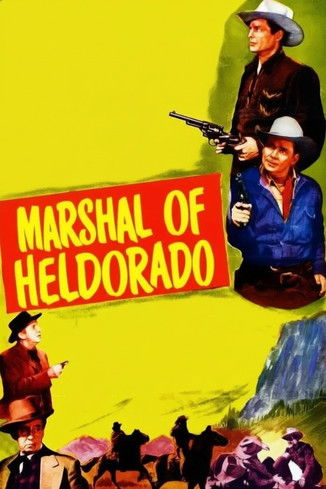
1950
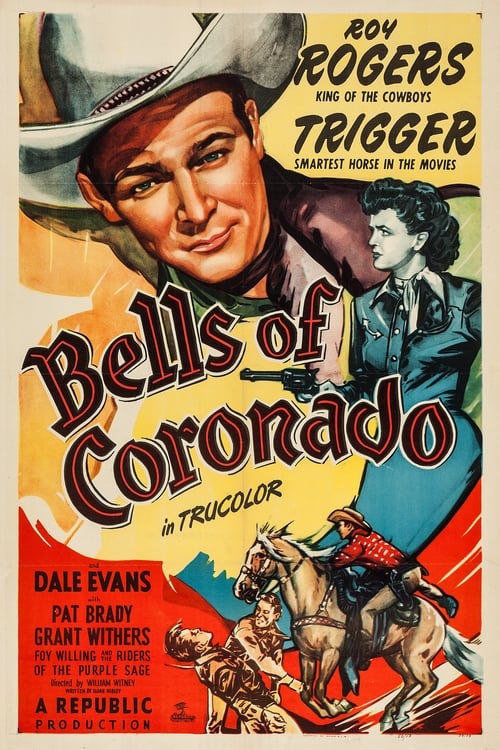
1950
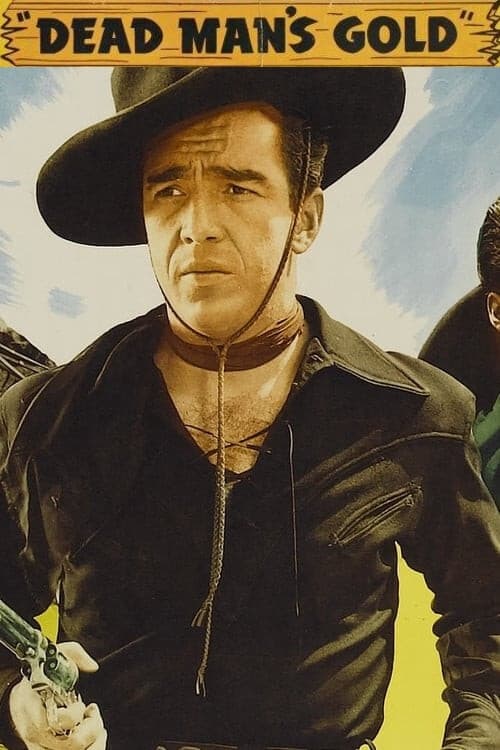
1948
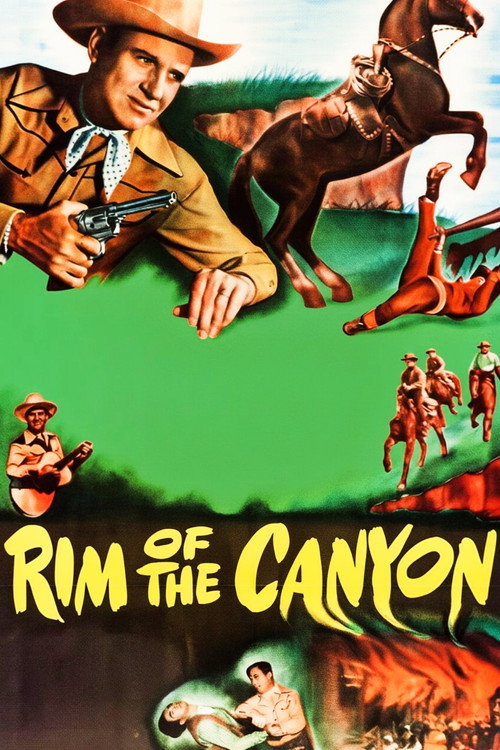
1949
No reviews yet. Be the first to share your thoughts on this movie!
Use the rating form above to leave a star rating and optional review.