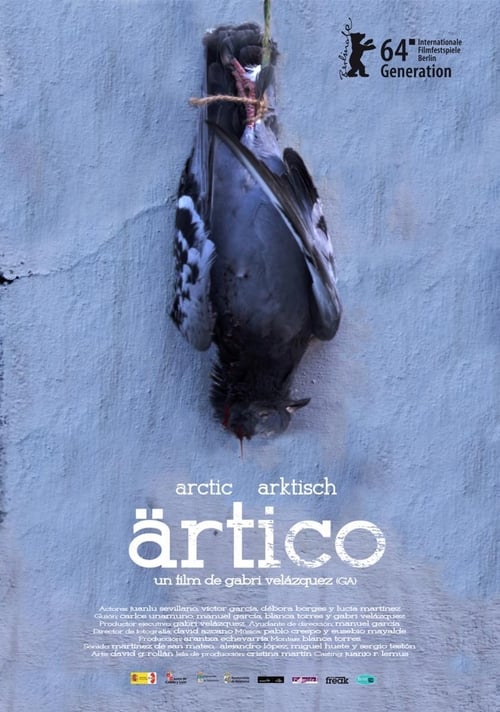
Arctic
2014
No user ratings available yet
Representation score: 1.6 out of 10
Representation Score
Limited
2000
Director
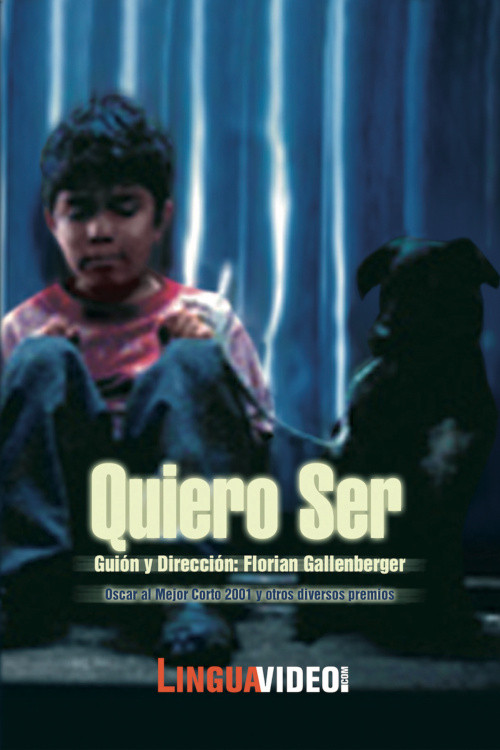
Florian Gallenberger
Runtime
35 minutes
Average Rating
No ratings yetNew Showbiz Analysis
I Want to Be is a powerful exploration of survival and brotherhood set against the urban backdrop of Mexico City. Its main strength lies in its authentic portrayal of Mexican identity and underrepresented communities, presenting the protagonists as fully human rather than mere sociological subjects. While the film excels in its racial and ethnic authenticity, it remains narrowly focused on the male experience, leaving little room for gendered or queer perspectives. Ultimately, the film succeeds as a localized critique of systemic inequality, using a specific underrepresented setting to challenge broader institutional frameworks and social stratification.
Category Breakdown
The movie focuses solely on the bond between the two brothers and does not explore any LGBTQ+ character arcs or queer relationships.
The film centers on the male protagonists and does not provide significant roles for female characters or challenge traditional gender power dynamics.
The film offers an authentic depiction of Mexican identity and underrepresented communities. It portrays the protagonists as fully human, avoiding the typical Hollywood portrayal of 'otherness.'
The story critiques systemic inequality and failed socioeconomic structures by highlighting the survivalist lifestyle of those living outside formal capitalism.
There is no explicit portrayal of physical or neurodivergent disabilities in the film.
Present on Screen
Limited or Absent
Official Synopsis
The short drama film follows the daily life of the Juan and Jorge, two brothers living on the streets of Mexico City. It won an Academy Award in 2001 for Best Live Action Short Film.
2014

2012

2008
2015
2009

2013

2008
2020
No reviews yet. Be the first to share your thoughts on this movie!
Use the rating form above to leave a star rating and optional review.