The Girl in the Lift
1991
No user ratings available yet
Representation score: 3.6 out of 10
Representation Score
Fair
1990
Director
Jörg Foth
Runtime
89 minutes
Average Rating
No ratings yetNew Showbiz Analysis
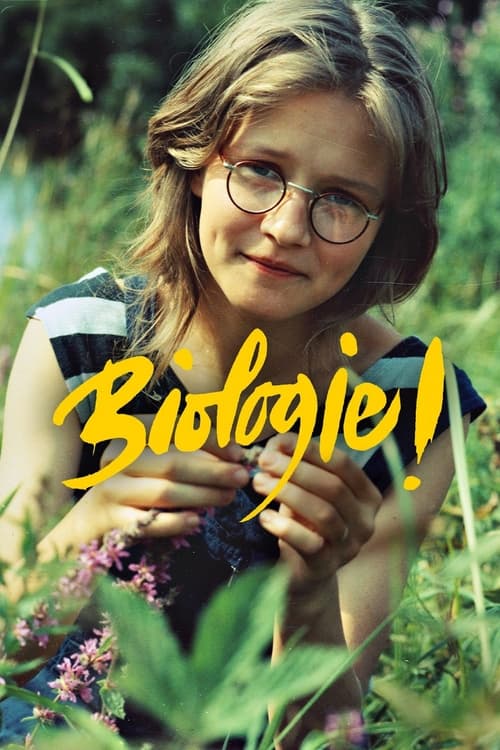
Biology! is a period drama that prioritizes political and environmental critique over diverse representation. It succeeds in challenging traditional power dynamics by centering a female protagonist who fights against systemic corruption. While the film lacks diversity in terms of race and LGBTQ+ identities, it provides a strong message regarding women's ability to drive the story. The narrative effectively deconstructs the social order of the late GDR. Ultimately, the film's impact stems from its focus on class disparity and the moral struggle of an individual against an oppressive state apparatus.
Category Breakdown
The story centers on a relationship between Ulla and Winfried, which follows conventional heterosexual norms. There is no visible evidence of LGBTQ+ identities or subtext within the narrative.
Ulla serves as the main driver of change in the story, rather than a passive love interest. Her activism and moral courage propel the plot against corrupt male authority figures.
Set in the historically homogeneous GDR, the film focuses on class differences. It lacks racial or ethnic diversity due to the specific socio-political era.
The film offers a sharp critique of state structures and institutional power. It portrays individual rebellion against a corrupt ruling class as a necessary ethical pursuit.
There are no visible or invisible disabilities portrayed among the central characters in this narrative.
Present on Screen
Limited or Absent
Official Synopsis
A small town shortly before the end of the GDR: 15-year-old Ulla lives with her mother in a dilapidated old building where not even the electricity works properly. Economy of scarcity and national bankruptcy are visible everywhere. Only higher party comrades live in the lap of luxury. When Ulla meets Winfried after a summer bathing trip, the two fall in love. Winfried is the son of an influential general director and owns things from West Germany that others only dream of: a computer, a games console, a walkman. On an excursion with her biology class, the high school student discovers that a dacha is being built in the middle of the nature reserve and the creek has been dammed. Winfried's father turns out to be the culprit, but the mayor is on his side. Ulla rebels against this environmental destruction connected to political corruption and organizes a protest. Her activism not only endangers her own future, but also her first great love.
1991

1970

1980
2005
2001
2004
1992
1970
No reviews yet. Be the first to share your thoughts on this movie!
Use the rating form above to leave a star rating and optional review.