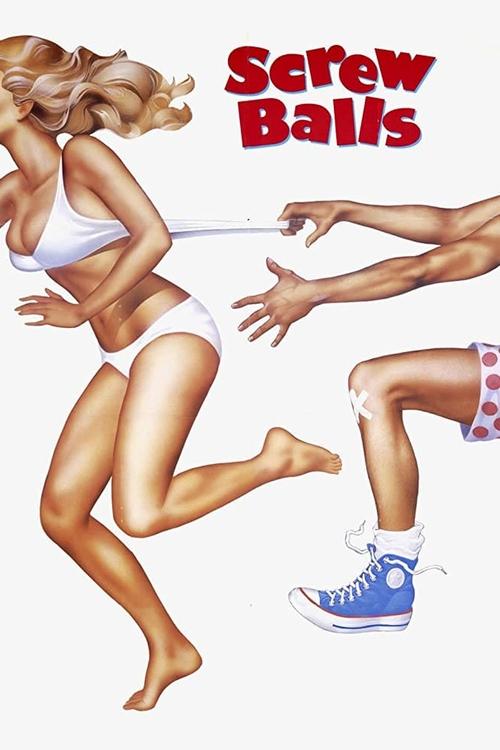
Screwballs
1983
No user ratings available yet
Representation score: 1.1 out of 10
Representation Score
Limited
1986
Director
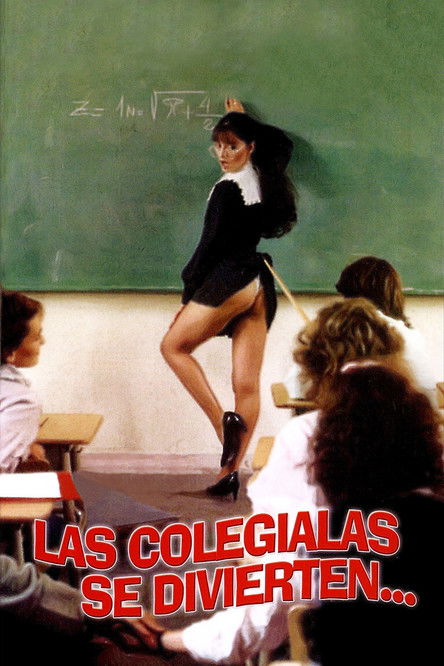
Fernando Siro
Runtime
85 minutes
Average Rating
No ratings yetNew Showbiz Analysis
Happy High School is a genre-driven comedy that prioritizes physical spectacle and hijinks over social depth. While the female characters exert significant influence by disrupting school leadership, the film remains tied to the era's exploitation clichés. The narrative heavily relies on the male gaze, using nudity and sexualized characters to drive the plot. This focus on erotic comedy often comes at the expense of nuanced character development or progressive representation. Ultimately, the film functions as a period-specific comedy of manners, offering minor subversions of authority but lacking the multi-layered breadth or systemic critique necessary for a more diverse score.
Category Breakdown
The film does not include explicit LGBTQ+ characters or narratives. It relies on traditional heterosexual romantic and sexual dynamics between students and adults.
Female students play a significant role in driving the plot through a kidnapping ruse, showing some ability to act. However, the film heavily uses female sexuality and nudity as comedic elements.
The cast likely reflects the ethnic homogeneity of its 1986 Spanish-language production context. There is no evidence of intentional multi-ethnic or multi-layered casting.
The story challenges institutional authority and patriarchal figures like the hypocritical father. It focuses on individualistic chaos rather than systemic social critique.
There are no visible or invisible disabilities depicted among the characters in this production.
Present on Screen
Limited or Absent
Official Synopsis
The plot involves the school director bringing in a female inspector to clean up the school. The students decide to kidnap her and replace her with the sexy stripper "aunt" of one of the girls (who is naturally sleeping with several of the guys). The real director meanwhile falls madly in lust with one of her male captors. Meanwhile a goody-good student and her hypocrite father begin to suspect the ruse . . . So will there be a lot of crazy hijinks? Will everything work out happily in the end? Will the entire female cast (and an unfortunate amount of the male cast) find some excuse to get naked?
1983
1976

1979
1980
1979
1981
1976

2008
No reviews yet. Be the first to share your thoughts on this movie!
Use the rating form above to leave a star rating and optional review.