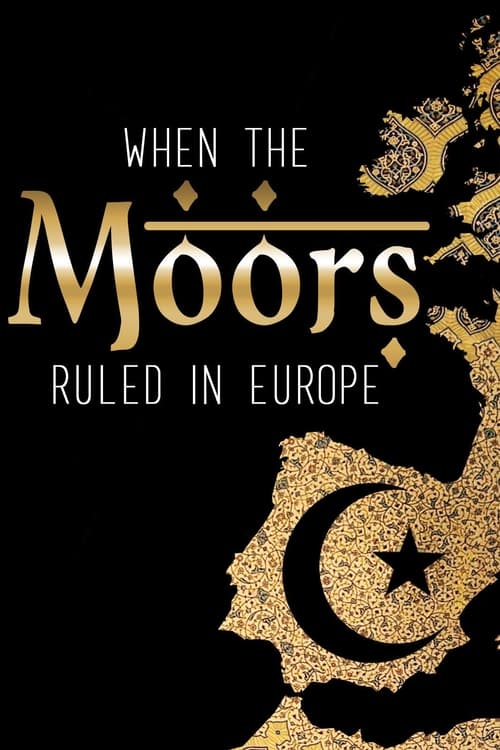
When the Moors Ruled in Europe
2005
No user ratings available yet
Representation score: 4.2 out of 10

Representation Score
Limited
2022
Director
Isabel Fernández
Runtime
113 minutes
Average Rating
No ratings yetNew Showbiz Analysis
The Builders of the Alhambra succeeds as a corrective historical lens, shifting focus away from Eurocentric narratives to celebrate the sophistication of the Nasrid dynasty. By centering the architectural legacy of al-Andalus, the film provides high ability to act to a historically underrepresented cultural context. However, the documentary remains limited by its narrow focus on male-driven statecraft and political leadership. The absence of diverse social identities, such as LGBTQ+ or disability representation, keeps the overall score moderate despite its cultural strengths.
Category Breakdown
The documentary focuses on 14th-century construction and the reign of Sultan Yusuf I. There are no visible LGBTQ+ character arcs or non-binary identities present.
The narrative centers on the political and architectural roles of Sultan Yusuf I. This focus on a singular male leader emphasizes traditional masculine leadership and statecraft.
The film provides significant diversity by centering a non-Western, Islamic civilization. It disrupts conventional Western-centric historical perspectives by highlighting the cultural legacy of al-Andalus.
The film emphasizes the preservation of a civilization under threat of erasure. It highlights a non-Christian historical framework that challenges the dominance of Western narratives.
The provided context contains no mention of neurodivergence or physical disabilities within the historical narrative.
Present on Screen
Limited or Absent
Official Synopsis
Kingdom of Granada, al-Andalus, 14th century. After recognizing that his land, always under siege, is hopelessly doomed to be conquered, Sultan Yusuf I undertakes the construction of a magnificent fortress with the purpose of turning it into the landmark of his civilization and his history, a glorious monument that will survive the oblivion of the coming centuries: the Alhambra.
2005

2019
2019
2017
2019

2006
2007
2019
No reviews yet. Be the first to share your thoughts on this movie!
Use the rating form above to leave a star rating and optional review.