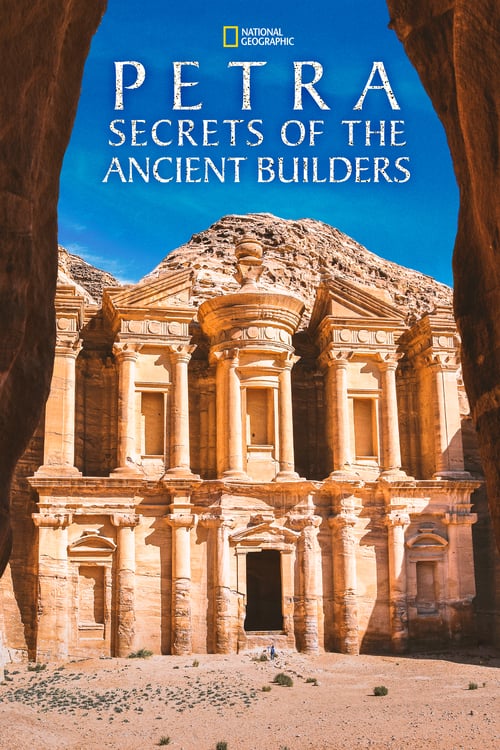
Petra: Secrets of the Ancient Builders
2019
No user ratings available yet
Representation score: 3.4 out of 10
Representation Score
Limited
2019
TV-14Runtime
44 minutes
Average Rating
No ratings yetNew Showbiz Analysis
This documentary excels at centering non-Western history by focusing on the sophisticated engineering and societal structures of the Inca people. It effectively challenges colonial-era narratives that often prioritize Eurocentric perspectives of discovery. However, as a historical investigation, it lacks the character-driven social identity markers found in scripted media. The representation of gender and contemporary social identities remains largely absent or unaddressed.
Category Breakdown
The documentary focuses on ancient archaeological investigations. There are no depictions of LGBTQ+ identities or character arcs within this historical context.
The film investigates the builders of the Inca citadel without specifying gendered roles. It maintains a neutral stance regarding the portrayal of female Inca figures.
The narrative centers on the indigenous Inca civilization. It highlights the ability to act and intellectual achievements of indigenous peoples, disrupting Eurocentric discovery clichés.
The film prioritizes an anti-colonialist perspective by examining a complex, independent civilization. It challenges Western narratives that often depict pre-contact societies as primitive.
There is no evidence of neurodivergence or physical disabilities being depicted within the archaeological or investigative subject matter.
Present on Screen
Limited or Absent
Official Synopsis
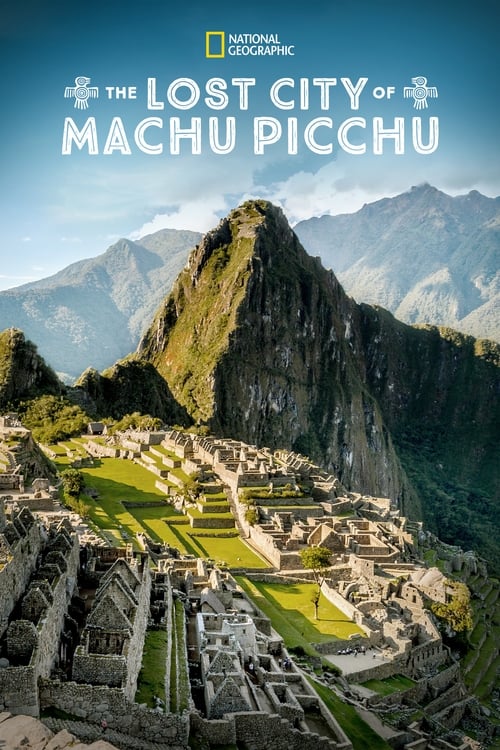
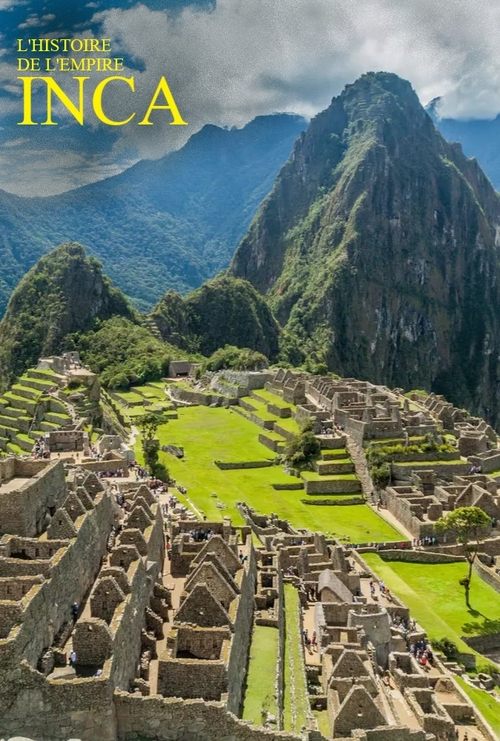
An investigation into the mysterious people who built Machu Picchu, the 15th-century Inca citadel located in southern Peru.
2019
2010
1995
2020
2007

2017
2020
2018
No reviews yet. Be the first to share your thoughts on this movie!
Use the rating form above to leave a star rating and optional review.