
Rosamunde Pilcher: Zu hoch geflogen
2013
No user ratings available yet
Representation score: 2.0 out of 10
Representation Score
Minimal
2016
Director
Stefan Bartmann
Runtime
88 minutes
Average Rating
No ratings yetNew Showbiz Analysis
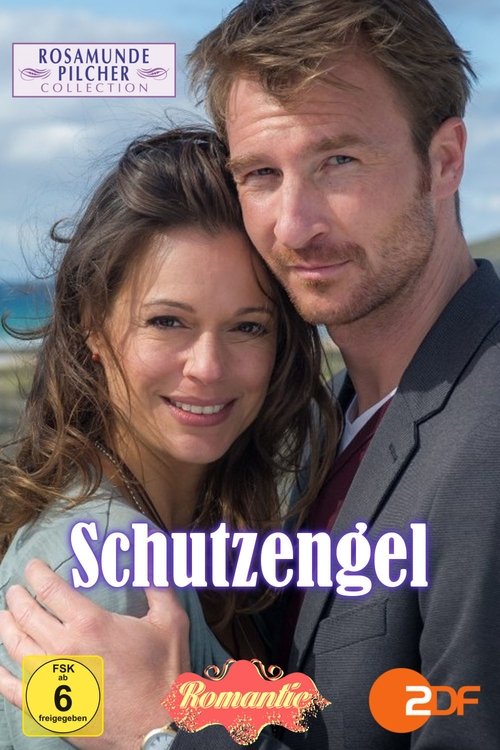
Rosamunde Pilcher: Schutzengel is a traditional romantic drama that prioritizes classical storytelling over complex representations of identity. The narrative reinforces established social hierarchies, such as class distinctions and gendered protective roles, rather than challenging them. The film adheres to conventional romantic and institutional norms, functioning as a standard example of traditionalist genre fiction. It focuses on scenic escapism and established emotional arcs within a homogeneous setting.
Category Breakdown
The film focuses exclusively on heterosexual relationships. There is no evidence of same-sex intimacy or transgender identities within the central plot.
Kate takes a significant role by testifying against her husband, while the plot relies on Dave fulfilling a traditional masculine protector role. The resolution centers on male intervention.
The cast reflects a homogeneous Anglo-Saxon population consistent with the Cornwall setting. No significant ethnic blending or diverse casting is present in the primary arcs.
The story emphasizes Western social hierarchies and class-based disapproval. It prioritizes nuclear family stability and traditional institutional roles over any systemic critique.
The narrative does not feature visible or invisible disabilities. No neurodivergent traits are presented as central to the character development or ability to act.
Present on Screen
Limited or Absent
Official Synopsis
Kate has been in a witness protection program for years because she testified against her own criminal husband Ted Kinnock, putting him behind bars. She lives with her now grown-up son Channing in the county of Cornwall in England. Her son falls in love with young Rachel, the daughter of an aristocratic family. Her parents immediately disapprove of the relationship, as they do not consider Channing worthy of their daughter. When Channing accidentally calls an old contact of his mother's called Dave, events come to a head: Dave was Kate's contact at the police station, but they both fell in love with each other. The policeman now rushes to the island to protect the love of his life, because Ted Kinnock has been released from prison early and is out for revenge.
2013
1931
2011

2008

2014
2000
2001

2004
No reviews yet. Be the first to share your thoughts on this movie!
Use the rating form above to leave a star rating and optional review.