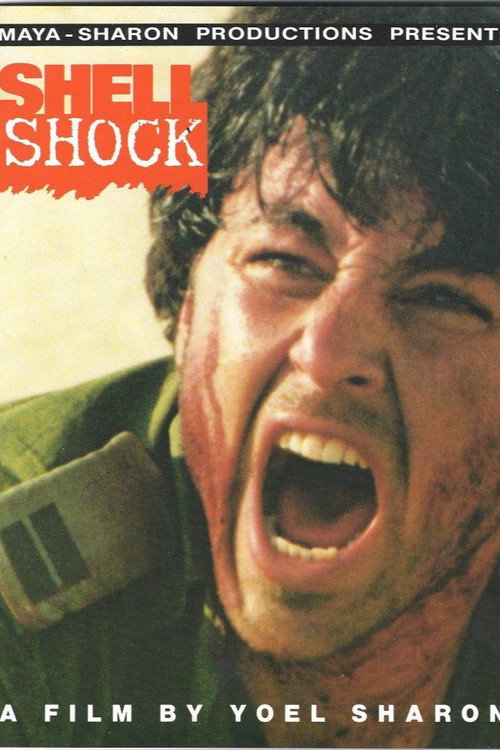
Shell Shock
1989
No user ratings available yet
Representation score: 4.1 out of 10

Representation Score
Good
1987
RDirector
Shmuel Imberman
Runtime
102 minutes
Average Rating
No ratings yetNew Showbiz Analysis
I Don't Give a Damn is a character-driven drama that dismantles the stereotype of the invincible soldier. It shifts from nationalistic triumph to a gritty portrayal of personal trauma and the psychological consequences of combat. The film stands out in its nuanced depiction of disability and gendered emotional labor. By highlighting a disabled protagonist's bitterness and a female character's stability, it challenges traditional masculine control and heroic military myths. However, the film lacks diversity in terms of LGBTQ+ identities and racial representation. The narrative remains centered on a specific, homogeneous social context.
Category Breakdown
The film does not include any LGBTQ+ characters or identities that go beyond the assumption that everyone is straight or cisgender.
Maya provides emotional stability and psychological insight, challenging traditional gender roles by offering a contrasting perspective to the volatile male protagonist.
The story is set in a place where the population is mostly of one ethnicity. The narrative focuses on the internal struggles of this specific ethnic group rather than a diverse cultural mix.
The film questions idealized patriotic stories by highlighting personal suffering and the individual's struggle with military expectations.
The narrative realistically portrays the psychological impact of a permanent injury. It avoids simplified clichés and focuses on the loss of control and diminished capacity following an injury.
Present on Screen
Limited or Absent
Official Synopsis
Like many, another young Israeli, Rafi never gave much thought to the fact that when he reached a certain age, he would be expected to serve in the Israeli Army and that he would experience active duty in combat. It certainly never occurred to him that he might be injured, and if it did, it never occurred to him that he would be crippled, as he was. Now he must try to learn to cope with a life which is vastly different from anything he ever imagined, and at first he has nothing but bitterness. An older veteran tries to help him learn to cope, and his relatives work hard to adjust as well. However, only his sister-in-law Maya seems to understand his state of mind and doesn't freak out at his easily provoked displays of temper.
1989

2017

1950

2013

2011

1989

2017

1987
No reviews yet. Be the first to share your thoughts on this movie!
Use the rating form above to leave a star rating and optional review.