
Jiggers, My Wife
1946
No user ratings available yet
Representation score: 1.1 out of 10
Representation Score
Minimal
1942
ApprovedDirector
Jules White
Runtime
17 minutes
Average Rating
No ratings yetNew Showbiz Analysis
This Columbia short operates as a typical piece of studio-era slapstick, emphasizing physical gags and situational humor over meaningful social commentary or narrative subversion. The characters adhere to the rigid demographic and social norms of 1942. While the female protagonists have a significant role in driving the economic plot, the comedic tone remains tied to period-specific clichés. The film reflects the status quo of its time rather than challenging traditional hierarchies.
Category Breakdown
The film follows traditional 1940s romantic ideals, focusing on marriage motivations and excluding any representation of LGBTQ+ identities.
Lizzy and Aggie drive the plot through their labor and competition. However, the comedy often depends on their physical vulnerability and slapstick pratfalls.
The cast reflects the homogeneous demographics of the era, with no evidence of racial blending or non-white majority casting.
The narrative upholds Western social structures and capitalist motivations, prioritizing marriage and domestic aspirations without offering any social critique.
The film contains no evidence of characters with visible or invisible disabilities.
Present on Screen
Limited or Absent
Official Synopsis
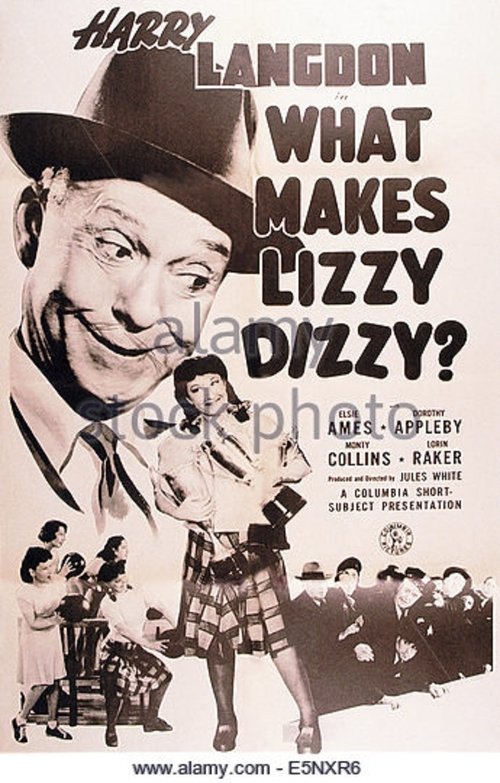
This Columbia short (production number 3431) has Harry Langdon and Elsie Ames billed above the title, but it is all Elsie Ames with Langdon and Monty Collins (if his name is Monte, how come---except for typos--- he is always billed as Monty?) only around to get a bowling ball bounced off the top of their collective heads, plus a couple of unfunny sight gags. Langdon, while top-billed, also played second-fiddle to the pratfalls of Elsie Ames in "Carry Harry" and even soon found himself billed second to Una Merkel---yes, that Una Merkel--- in Columbia's 1944-short "To Heir Is Human." Lizzy and her friend Aggie are toiling in Kelley's Laundry in order to get enough money to marry their boy friends Harry and Bill, and soon find themselves as a two-woman company bowling team attempting to keep Mr. Kelley from losing a $1000 bet. Things happen. Some of them funny.
1946
1952
1944
1941
1927
1929
1940
1946
No reviews yet. Be the first to share your thoughts on this movie!
Use the rating form above to leave a star rating and optional review.