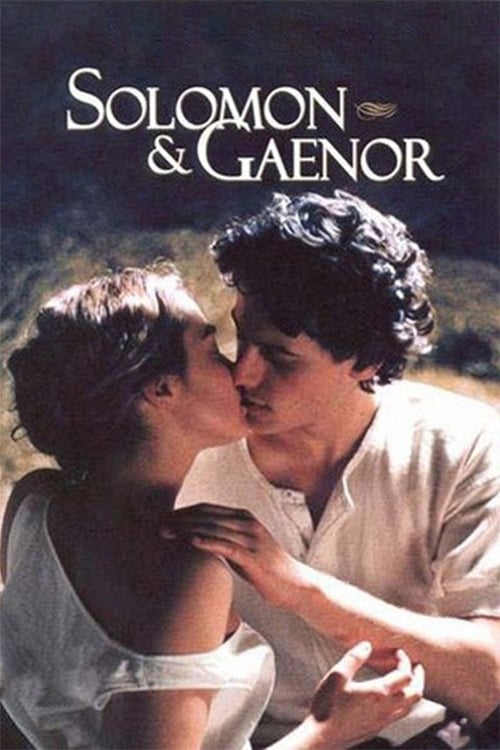
Solomon & Gaenor
1999
No user ratings available yet
Representation score: 4.4 out of 10
Representation Score
Fair
1991
Director
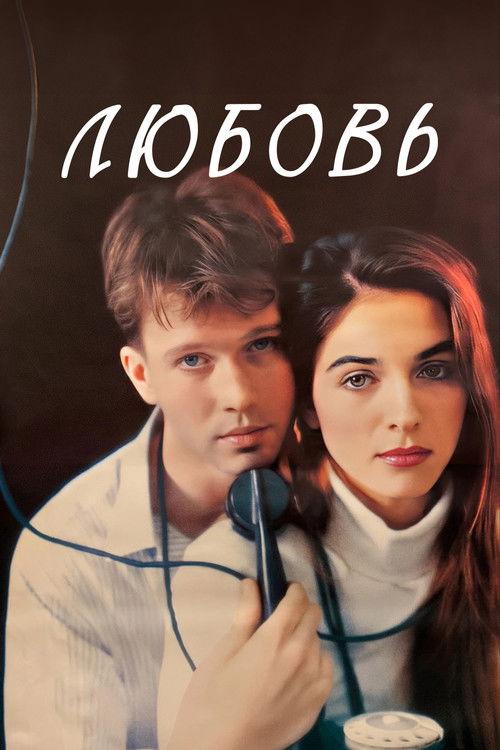
Valery Todorovsky
Runtime
105 minutes
Average Rating
No ratings yetNew Showbiz Analysis
Valery Todorovsky’s *Love* captures the transition from monolithic Soviet narratives to personalized storytelling. Its strongest feature is the integration of Jewish identity into the core narrative. Instead of being a secondary element, Jewishness is central to the story, serving as a catalyst for character development. While the film excels in exploring ethnic and systemic pressures, it remains traditional in its treatment of gender and sexuality. The romantic framework is largely centered around heterosexual relationships, and the plot is often driven by male perspectives. However, the film successfully highlights personal ability to act and moral choices in the face of systemic pressures.
Category Breakdown
The film focuses on heterosexual relationships and the emotional challenges of young adulthood. It does not explore non-straight or non-cisgender identities.
Female characters are given emotional depth and play significant roles in the story. However, the plot is mainly driven by male characters, maintaining traditional gender dynamics.
The narrative centers on Jewish identity and the systemic pressures faced by Jewish families in the late Soviet era. Ethnic tension is a key driver of the plot, not just a minor element.
The story depicts the conflict between individuals and the state during the Perestroika period. It emphasizes personal truth and human connections over strict, state-imposed morality.
There is no significant portrayal of physical or neurodivergent disabilities.
Present on Screen
Limited or Absent
Official Synopsis
Two Moscow students are mostly concerned with scoring with women but their lives change radically when one of them falls for a Jewish girl whose family is being persecuted by anonymous anti-Semites and is preparing to emigrate to Israel.
1999

2002
2008

2018

2018
2012
1998

1999
No reviews yet. Be the first to share your thoughts on this movie!
Use the rating form above to leave a star rating and optional review.