
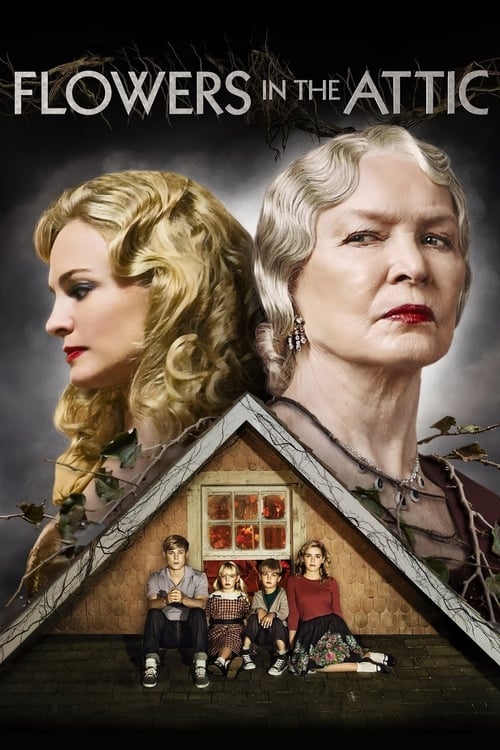
Flowers in the Attic
1987
No user ratings available yet
Representation score: 4.3 out of 10
Representation Score
Limited
2014
TV-14Director
Deborah Chow
Runtime
90 minutes
Average Rating
No ratings yetNew Showbiz Analysis
Flowers in the Attic is a narrow, demographic-specific drama that prioritizes psychological tension over social breadth. While it lacks diversity in terms of race, sexuality, and disability, it succeeds in deconstructing traditional social pillars. The film's strength lies in its portrayal of mothers as predatory figures driven by capital and its critique of how economic structures can corrupt familial bonds. Ultimately, the production remains a homogeneous study of a specific socio-economic class, offering little representation for underrepresented identities while providing a sharp interrogation of domestic authority.
Category Breakdown
The film focuses solely on the biological dynamics of a nuclear family and does not include any LGBTQ+ characters or queer themes.
The story challenges traditional gender roles by placing power within a matriarchal structure. Female characters drive the plot through their predatory authority and high-stakes decision-making.
Casting is homogeneous, reflecting a wealthy, mid-20th-century white family. The narrative operates within a strictly Anglo-Saxon demographic context without racial blending.
The film critiques Western institutions by framing the pursuit of inheritance as a source of cruelty. It questions the idea of the family as a moral foundation.
There are no prominent depictions of physical, sensory, or neurodivergent disabilities. Character struggles focus on psychological trauma and confinement instead.
Present on Screen
Limited or Absent
Official Synopsis
After the sudden death of their father, four children face cruel treatment from their ruthless grandmother.
1987
1956

2015
1976

2015
1993
2015

1981
No reviews yet. Be the first to share your thoughts on this movie!
Use the rating form above to leave a star rating and optional review.