Prelude 4
1995
No user ratings available yet
Representation score: 7.2 out of 10
Representation Score
Good
1996
Director
Stan Brakhage
Runtime
5 minutes
Average Rating
No ratings yetNew Showbiz Analysis
Stan Brakhage’s *Prelude 7* is a work of formalist abstraction that prioritizes the experience of vision over traditional storytelling. Because the film eschews character-driven narratives and dialogue, it lacks the framework to provide representation through social identity or interpersonal ability to act. Instead, the film achieves progressive value by deconstructing the cinematic medium itself. It challenges the standard way of seeing, effectively bypassing systemic biases often found in character-centric filmmaking. Ultimately, the work operates in a non-representational space where the subject is the act of seeing, making traditional diversity metrics difficult to apply directly.
Category Breakdown
The film does not explicitly depict gender identity or sexual orientation. It disrupts traditional viewing habits by challenging the assumption that everyone is straight or cisgender.
The film's architecture does not contain any discernible gendered hierarchies or character arcs. It avoids conventional gendered power dynamics by removing humans from the center of the frame.
The film focuses on landscapes and the mechanics of vision, avoiding the construction of racialized otherness. It exists in a purely aesthetic, non-social realm.
The film promotes a secular, non-specific spirituality through unmediated perception. It avoids promoting Western institutional values like religion, patriotism, or capitalism.
The film explores sensory-focused perception through cellular shifts and optic shapes. However, it does not feature specific characters portrayed with disabilities.
Present on Screen
Limited or Absent
Official Synopsis
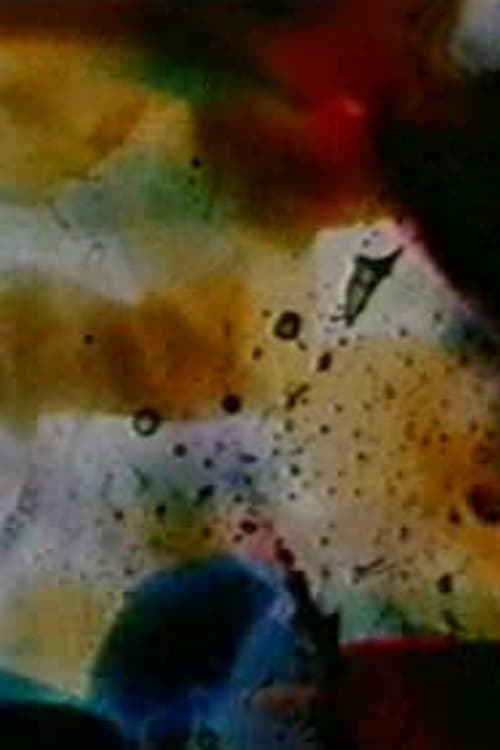
The ocean, the trees, the varieties of cityscape and landscape assert themselves as "pictures", but the images are essentially a wash and tangle of nervous feedback, sometimes influenced by the colors of inlet waters, sometimes the wave movements, but more ordinarily by the cellular shifts and shapes of the optic system receiving exterior imagery.
1995
1996
1996
1995

1995
1995
1997
1996
No reviews yet. Be the first to share your thoughts on this movie!
Use the rating form above to leave a star rating and optional review.