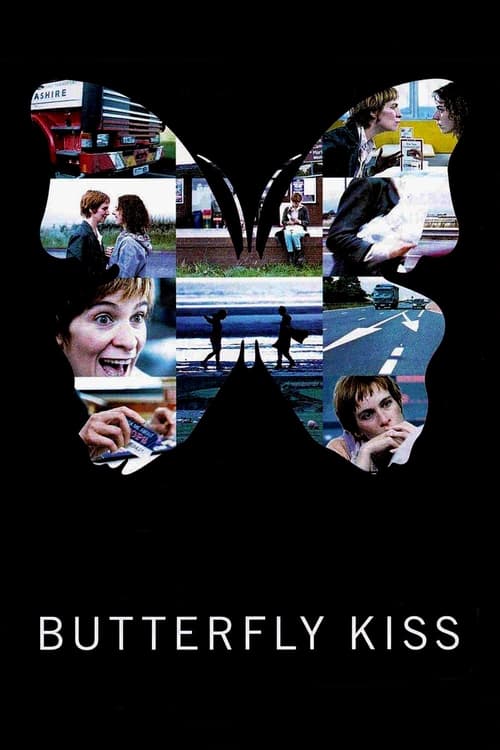
Butterfly Kiss
1995
No user ratings available yet
Representation score: 8.0 out of 10

Representation Score
Excellent
1998
RDirector
Michael Winterbottom
Runtime
87 minutes
Average Rating
No ratings yetNew Showbiz Analysis
I Want You is a quintessential piece of postmodern independent cinema that thrives on social fragmentation. It disrupts traditional storytelling hierarchies and avoids the clichés common in mainstream 1990s cinema. The film's strength lies in its naturalistic depiction of non-normative sexualities and its refusal to impose a singular moral framework. By focusing on the complexities of urban life, it captures a sense of authentic, multicultural coexistence. However, the film lacks specific representation for characters with disabilities. While it explores psychological alienation, it does not provide a dedicated lens for disability ability to act or specialized representation.
Category Breakdown
The film integrates queer identities into the urban landscape of London. These identities are central to exploring intimacy rather than serving as peripheral plot devices.
The narrative challenges traditional gender roles by examining complex sexual politics. It highlights the vulnerability and active roles of characters across the gender spectrum.
The cast reflects the multicultural reality of late-90s London. It presents a diverse ethnic landscape where various identities coexist within a metropolitan environment.
The film prioritizes secular, individualistic experiences over religious cohesion. It uses an episodic structure to explore situational ethics and postmodern moral relativism.
There is no significant focus on visible or invisible disabilities. Emotional distress is portrayed as a general human condition rather than through a lens of specific advocacy.
Present on Screen
Limited or Absent
Official Synopsis
A young boy and his sister are drawn into one man's obsessive pursuit of his former lover.
1995

1985
2008
1998

1997

1990
1999

1986
No reviews yet. Be the first to share your thoughts on this movie!
Use the rating form above to leave a star rating and optional review.