How to Follow Strangers
2013
No user ratings available yet
Diversity score: 5.7 out of 10
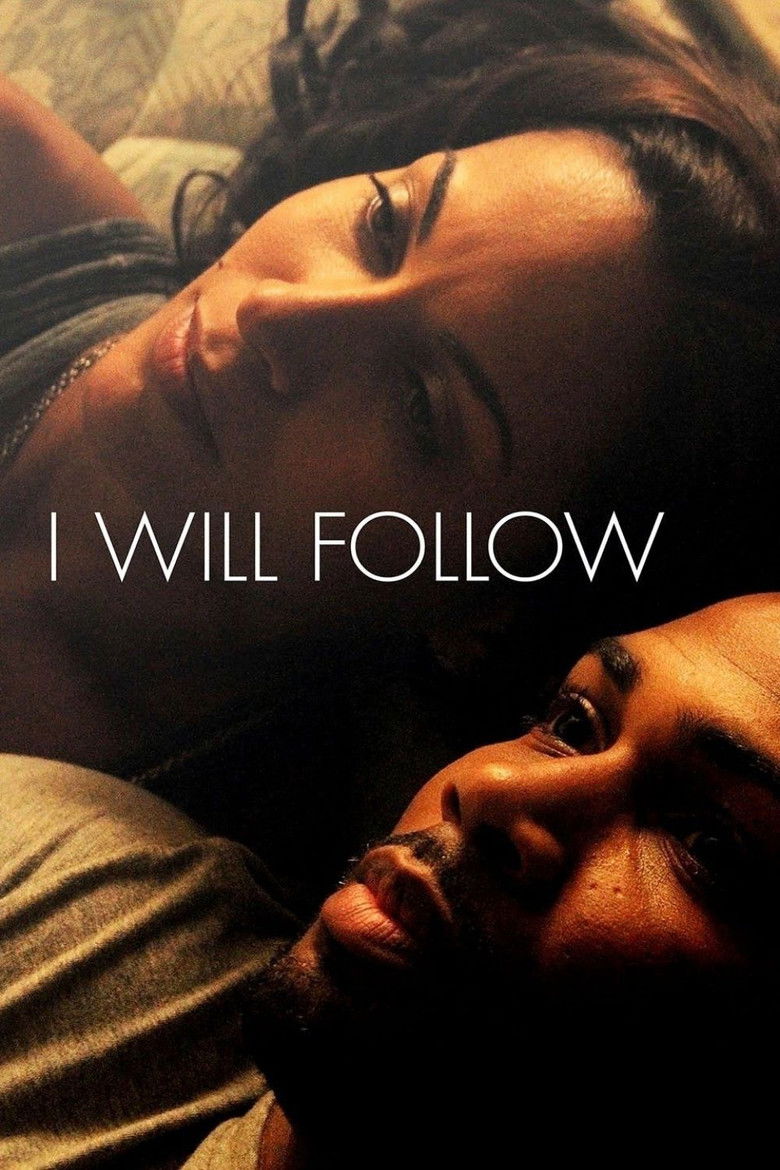
2010
PG-13Director
Ava DuVernay
Runtime
76 minutes
Average Rating
No ratings yetSynopsis
Chronicles a day in the life of a grieving woman, and the twelve visitors who help her move forward.
Overall Score
Good
Category Breakdown
LGBTQ+ Representation
Queer identities are integrated naturally into the social fabric of the film. Same-sex attraction is presented as a normal component of character experience rather than a central plot catalyst.
Gender Representation
The film subverts traditional hierarchies by centering an almost exclusively female perspective. Women hold the narrative agency, using female friendship as the primary engine for emotional resilience.
Racial & Ethnic Diversity
The work excels through its commitment to racial specificity. A predominantly Black cast provides a textured exploration of Black womanhood within an urban Los Angeles setting.
Religious & Cultural Diversity
The narrative favors a secular, humanist perspective over religious dogma. It prioritizes subjective morality and chosen kinship networks over traditional, family-centric archetypes.
Disability Representation
The film explores the psychological dimension of grief and emotional trauma. However, it does not explicitly center physical or neurodivergent disabilities as primary narrative drivers.
Strengths
Areas for Improvement
AI Analysis
Ava DuVernay’s direction provides a nuanced study of Black female subjectivity, successfully disrupting traditional cinematic focuses on patriarchal or white-centric structures. The film's strength lies in its ability to treat intersectional identities as integrated, naturalistic elements of its characters' lives. By prioritizing female agency and racial specificity, the film moves away from grand external conflicts to focus on internal emotional landscapes. This creates a deeply textured social world that feels authentic and lived-in. While the film excels in racial and gender representation, it remains narrower in its depiction of physical or neurodivergent disabilities. It focuses more on the invisible struggle of psychological grief than on explicit disability representation.
2013

2012
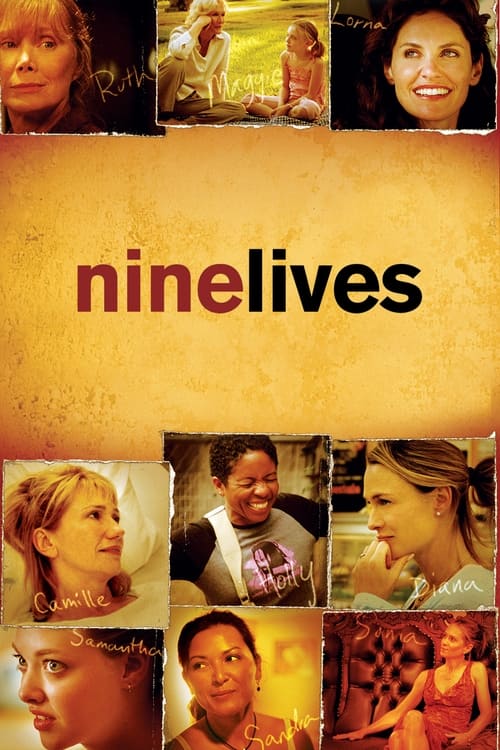
2005

2002
2005

2002

2009

2007

2004

2001

2005

2008
No reviews yet. Be the first to share your thoughts on this movie!
Use the rating form above to leave a star rating and optional review.