We Shall Overcome
2006
No user ratings available yet
Representation score: 6.0 out of 10
Representation Score
Fair
2005
Director
Rumle Hammerich
Runtime
110 minutes
Average Rating
No ratings yetNew Showbiz Analysis
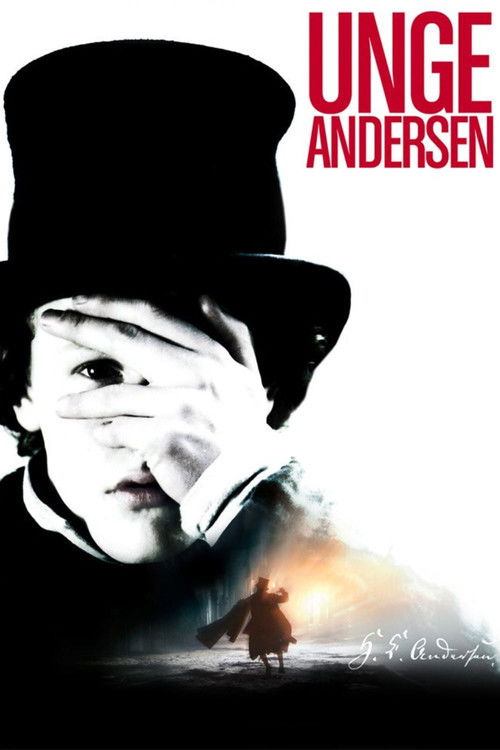
Young Andersen is a traditional biographical drama that emphasizes psychological depth over social disruption. It captures the conflict between a sensitive individual and the rigid structures of the 19th century. Yet, it remains tied to the demographic norms of its time. The film centers on the transformative mentorship between Andersen and a cynical principal. While it touches on class and temperament, it does not employ modern frameworks to challenge the era's racial, gender, or sexual hierarchies. Ultimately, the work functions as a conventional character study. It offers a nuanced portrayal of a significant historical figure without seeking to alter the social or cultural norms of the period.
Category Breakdown
The film does not explicitly depict same-sex relationships or non-binary gender identities. The main character can be interpreted through queer theory, but the story stays within the historical context.
Set in a 19th-century Danish institution dominated by men, the film upholds traditional gender roles. The protagonist's sensitivity challenges typical masculine traits, but the story does not actively change these social norms.
The film features a predominantly white cast reflecting the demographics of 19th-century Denmark. It does not use color-blind casting or diverse metaphors to broaden its representation.
The story focuses on socioeconomic struggles within a traditional Danish society. It serves as a biographical drama centered on individual resilience without critiquing larger societal or religious institutions.
The narrative highlights the protagonist's heightened sensitivity and vulnerability. However, it leans towards the 'sensitive genius' cliché rather than exploring disability or neurodivergence in depth.
Present on Screen
Limited or Absent
Official Synopsis
A powerful modern film narrative, set in a historical framework, about the crucial encounter between vulnerable eighteen-year-old Hans Christian Andersen, who rates himself so highly, and Mr. Meisling, the cynical school principal. An encounter that fundamentally transforms Hans Christian's life.
2006
1969

2005

2019
2017
2018
2008

2010
No reviews yet. Be the first to share your thoughts on this movie!
Use the rating form above to leave a star rating and optional review.