Take the Money and Run
1969
No user ratings available yet
Representation score: 2.2 out of 10
Representation Score
Limited
1994
RDirector
Woody Allen
Runtime
98 minutes
Average Rating
No ratings yetNew Showbiz Analysis
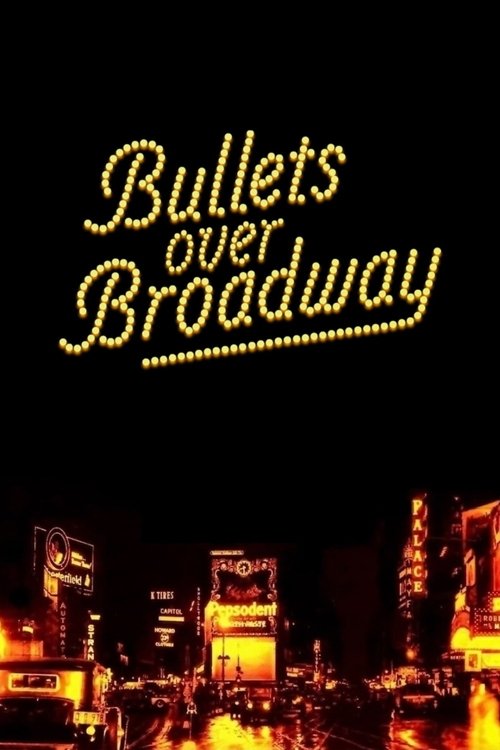
Bullets Over Broadway is a period-specific character study that prioritizes stylistic subversion over broad demographic representation. It succeeds in deconstructing traditional moral hierarchies, presenting a world where individual desires outweigh social norms. However, the film remains confined to traditional casting and gender clichés. While it challenges the stability of the 'heroic' archetype, it does so within a very narrow cultural and ethnic context. Ultimately, the film's progressive elements lie in its intellectual skepticism rather than its inclusive portrayal of diverse identities.
Category Breakdown
The film adheres to an assumption that everyone is straight or cisgender. It doesn't include narratives that question established gender roles.
Female characters frequently fit the 'bimbo' stereotype, acting as sources of chaos. However, the film challenges traditional masculinity by showing male leads as neurotic and ineffective.
The setting mirrors a predominantly white and Jewish 1920s New York. The main cast lacks significant racial or ethnic diversity beyond this specific community.
The narrative excels by blurring the lines between the criminal underworld and the artistic world. It challenges moral binaries through a postmodern, relativistic perspective.
There is no representation of physical or neurodivergent disabilities. Psychological neuroses are used as comedic traits rather than explored as part of lived experience.
Present on Screen
Limited or Absent
Official Synopsis
After young playwright, David Shayne obtains funding for his play from gangster Nick Valenti, Nick's girlfriend Olive miraculously lands the role of a psychiatrist—but not only is she a bimbo who could never pass for a psychiatrist—she's a dreadful actress. David puts up with the leading man who is a compulsive eater, the grand dame who wants her part jazzed up, and Olive's interfering hitman/bodyguard—but, eventually he must decide whether art or life is more important.
1969

1982
1995
1955

2012
1984
2005
1947
No reviews yet. Be the first to share your thoughts on this movie!
Use the rating form above to leave a star rating and optional review.