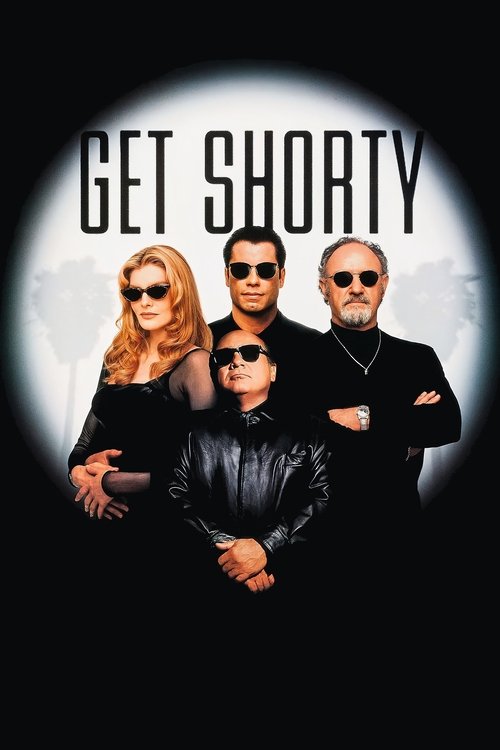
Get Shorty
1995
No user ratings available yet
Representation score: 4.5 out of 10

Representation Score
Fair
2005
PG-13Director
F. Gary Gray
Runtime
119 minutes
Average Rating
No ratings yetNew Showbiz Analysis
Be Cool stands out by featuring a predominantly Black cast in central, influential roles. This choice offers substantial character depth and autonomy, moving beyond tokenistic representation. However, the film adheres to traditional genre clichés regarding gender and sexuality. Female characters, while present, often fit within established archetypes rather than challenging them. Overall, while the film lacks representation for LGBTQ+ individuals and people with disabilities, its intentional casting of a diverse Black ensemble marks a significant shift from the demographic norms of mid-2000s mainstream cinema.
Category Breakdown
The film follows a traditional structure focused on straight relationships. The romantic storyline centers around a conventional path without exploring diverse sexual orientations or gender identities.
Female characters play key roles in both criminal and industry settings. They have moderate influence but often fit within established genre clichés.
The film features a predominantly Black cast in central, influential roles. This casting choice breaks from historical white-centric portrayals in major crime comedies by placing Black protagonists at the forefront.
The story focuses on individual goals within a capitalist context. It does not delve into secular themes or provide critical views of Western institutions.
The film does not highlight visible or invisible disabilities. Characters are not used as plot devices related to physical or cognitive differences.
Present on Screen
Limited or Absent
Official Synopsis
Disenchanted with the movie industry, Chili Palmer tries the music industry, meeting and romancing a widow of a music executive along the way.
1995
1969
1997
1988
2020
1994

2005

1985
No reviews yet. Be the first to share your thoughts on this movie!
Use the rating form above to leave a star rating and optional review.